The Story
Why it exists.
The beginning
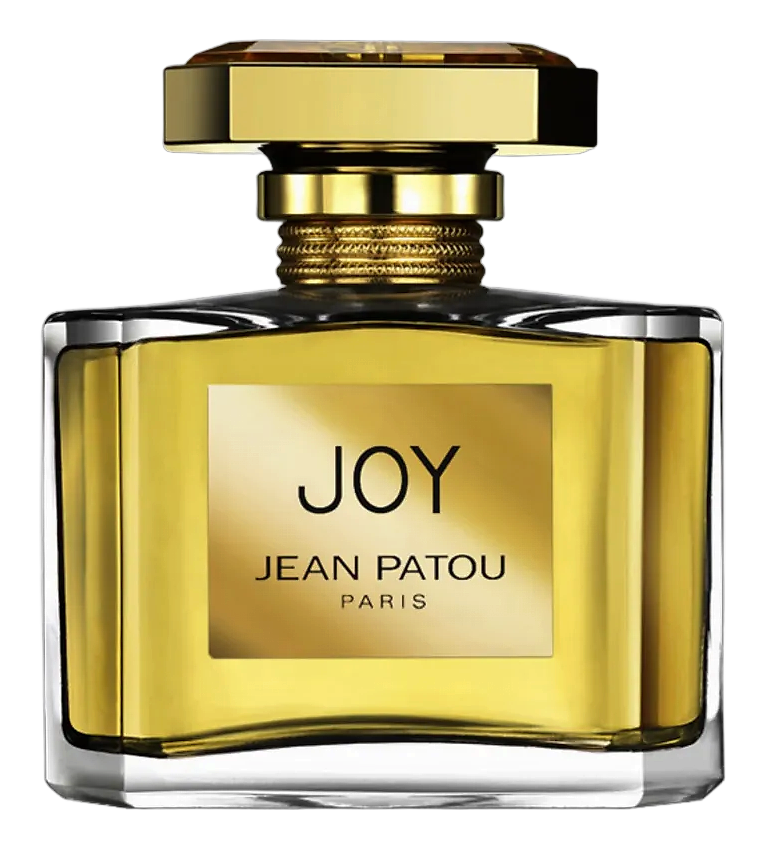
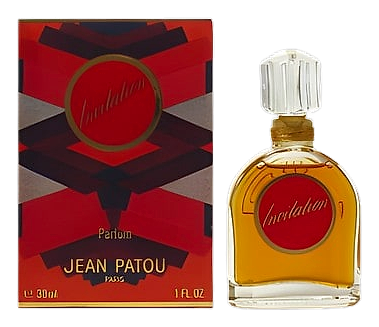
Invitation arrived in 1932, the same year Patou launched Joy, the house's most famous fragrance. But where Joy represented opulent excess, Invitation took a different approach. Henri Almeras, the perfumer behind Patou's 1925 debut collection, designed this one for a different mood entirely: the active, modern woman who moved through the world with purpose. The name itself says something. Not a statement. Not a declaration. An invitation. Come join me. Let's see what happens.
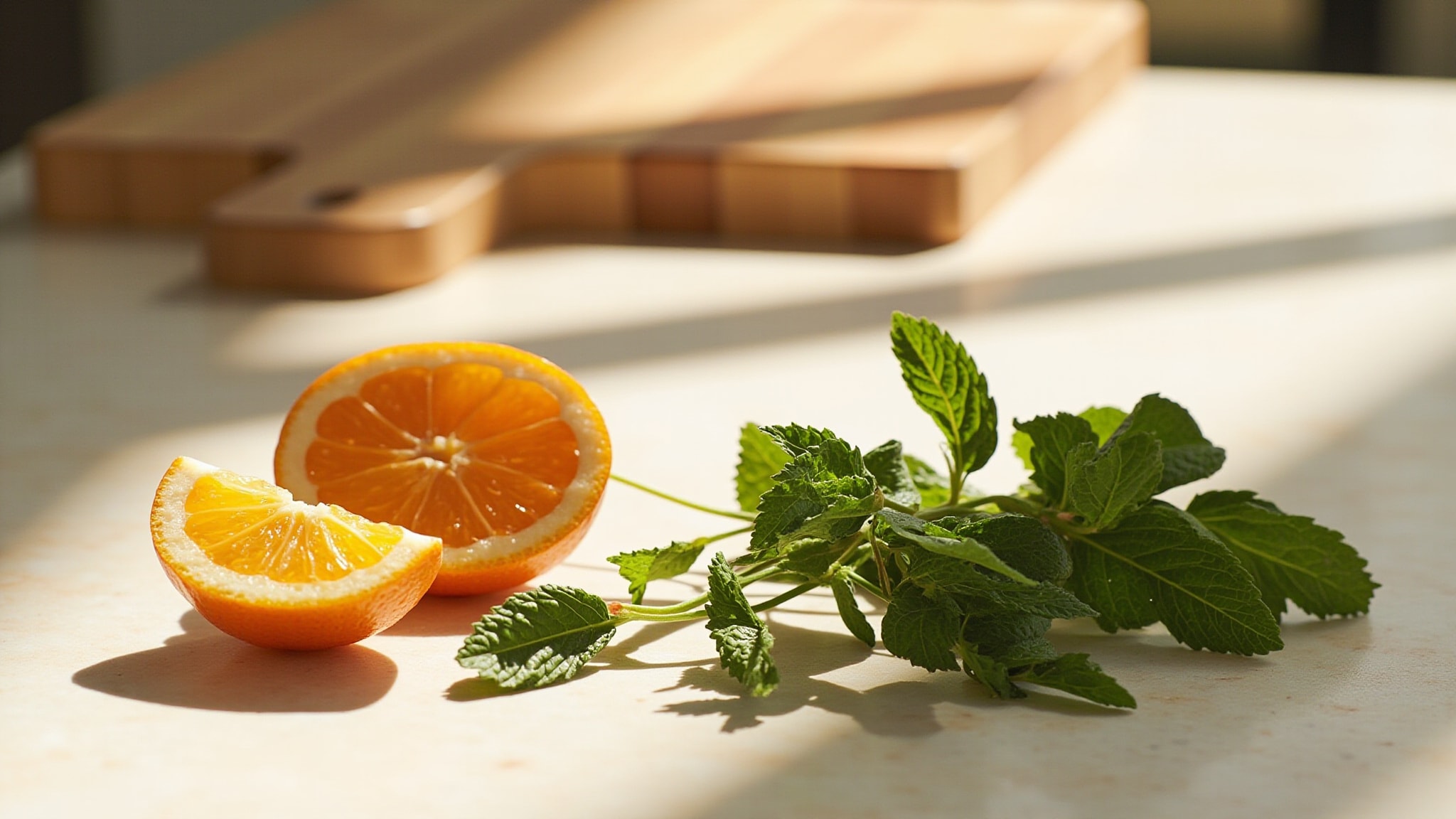
The note structure reveals the intent. Bergamot and tangerine give you immediate brightness, the citrus shorthand for freshness, energy, movement. Then thyme and mint arrive to sharpen it, keeping the opening from tipping into sweetness. These aren't romantic herbs. They're sporty ones. The drydown is where Patou's couture sensibility shows: oakmoss and cedar create that signature chypre architecture, while musk and sandalwood add warmth that lingers close to the skin. It's a fragrance that understands restraint, the confidence that doesn't need to announce itself.
The evolution
The opening hits bright and tart, bergamot and tangerine cutting through with a citrussy clarity. Mint arrives to cool things down, thyme adds an herbaceous edge. The transition happens gradually: that initial sharpness softens, the citrus fades, and the powdery warmth begins to emerge. By the heart, you're in a different place, musk and sandalwood creating something intimate, close. Oakmoss and cedar anchor the base, giving it that vintage chypre character that never fully disappears. The drydown lasts well beyond what the sillage suggests. Moderate projection, yes, but on fabric, the cedar and moss linger for hours. This is a fragrance that rewards proximity.
Cultural impact
Jean Patou launched Invitation in 1966, a period when the fashion house was synonymous with understated French elegance and the sporty-chic aesthetic that would define modern luxury. The fragrance arrived during a transformative era in perfumery, bridging the formal florals of the previous decade with a fresher, more spontaneous approach. As one of Patou's most successful releases, Invitation helped establish the concept of daytime sophistication in fragrance, offering a refined alternative to the heavier evening scents dominating the era. Its blend of bright citrus with aromatic herbs reflected the same principles Patou applied to his clothing: effortless elegance that moved with the wearer.