
The Story
Why it exists.
The beginning
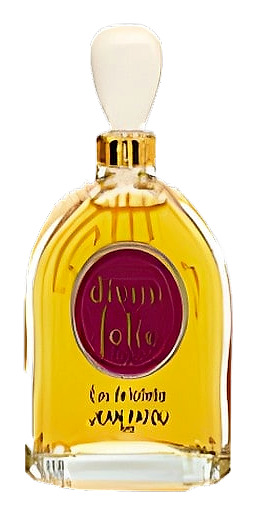
Divine Folie arrived in 1933 from perfumer Henri Almeras. The name itself is a declaration: divine madness, the kind that moves fashion forward. Almeras crafted this fragrance to make a statement, one that refused to whisper when it could insist. The composition channels patou energy into a rich floral architecture where white and yellow blooms lead, not follow. The ylang-ylang opens with a humid, tropical lift while neroli adds a bright citrus undertone. Carnation soon asserts itself, bringing that characteristic spicy, almost prickly edge that gives the fragrance its distinctive character. Jasmine and orange blossom emerge from beneath, their sweetness tempered by the powdery presence of orris root that builds steadily throughout the wear.
What makes Divine Folie interesting is its structure. The carnation accord, so central to its character, gives it a spicy, almost prickly edge that sits at odds with the softer florals surrounding it. This clove-like quality evolves alongside ylang-ylang's humid warmth, the combination creating a fragrance that feels both stimulating and serene at once. The orris root enters later, adding a violet-powder quality that brings to mind perfumery's grander eras. Beneath the main accords, rose threads through without ever dominating, adding a subtle sweetness that balances the spice.
The evolution
The opening arrives warm and full. Ylang-ylang and neroli create a humid, slightly tropical lift before the carnation asserts itself with that sharp, clove-like presence. For the first thirty minutes, the fragrance seems to argue with itself, sweet floral against spice, soft against insistent. Then the white florals settle. Jasmine and orange blossom come forward, but now they're dusted, powdered by the orris that continues to build. Rose threads through without dominating, adding a subtle sweetness that tempers the carnation's prickly edge. The drydown belongs to vanilla and musk, warm, close, intimate. Over time, the spice fades and the powder softens into something skin-warm and personal. The carnation lingers as a memory throughout, its presence felt even as the softer notes take over.
Cultural impact
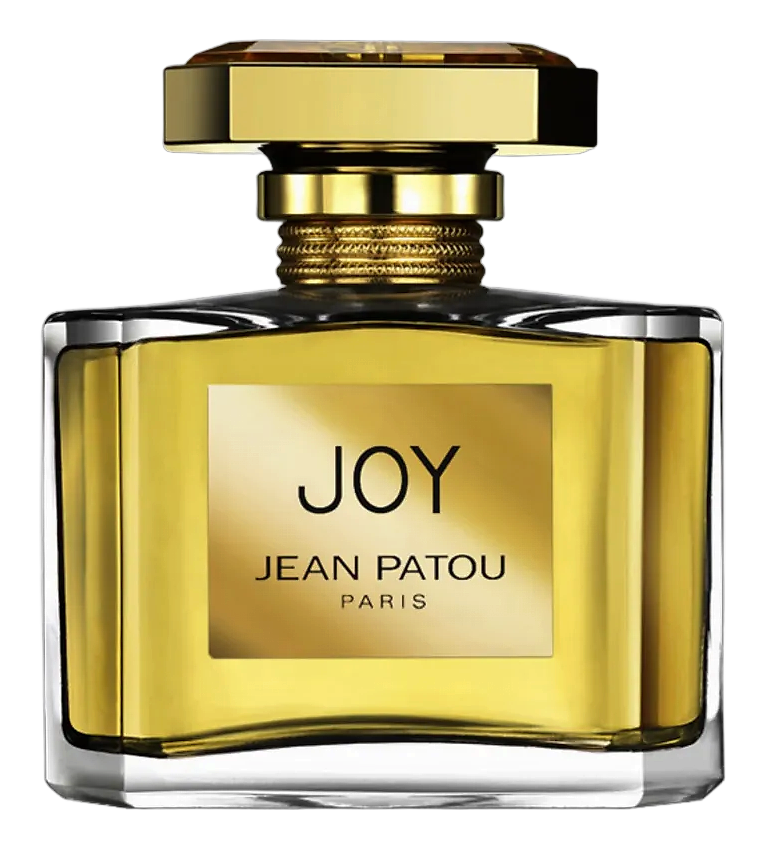
Divine Folie occupies an interesting position among vintage fragrance collectors, particularly those who seek out Patou's lesser-known works alongside Joy. The carnation-orris combination draws comparisons to Caron's Bellodgia and Patou's own earlier compositions, though Divine Folie's ylang-ylang warmth and humid quality set it apart. The 1930s brought distinctive approaches to perfumery, and this fragrance represents that era's willingness to combine bold florals with powdery depth in unexpected ways. Collectors who value the period's contributions to fragrance design often find Divine Folie a compelling example of that era's innovation.