
The Story
Why it exists.
The beginning
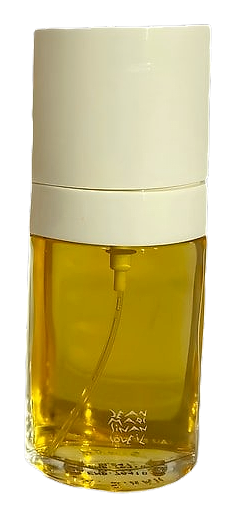
Soleil carries the Jean-Marc Sinan name, and it sits early in the brand's catalog. Its exact launch year is uncertain, with sources only confirming it arrived during the 1980s, and at least one fragrance database still lists the release date as unknown. What does come through clearly is the composition itself, and the way it presents. A floral-amber that reads with confidence, built to be felt rather than whispered. The kind of scent that asks for space in a room and takes it. The label suggests warmth as its primary register, and the juice lives up to that promise. There is nothing cautious or restrained about this one. It arrives with presence. It stays with intention. A composition that prioritizes impact over discretion, and wears that priority openly.
What's remarkable about Soleil is how few notes it asks to do all the work. The source data reveals a stripped-down architecture: flowers and amber as the named players, with an accord profile that runs floral, amber, animalic, and powdery. That animalic thread does the heavy lifting. It keeps the florals from drifting into soap territory, and it stops the amber from going syrupy. The accord list gives the full picture: a base of animalic warmth, a floral layer that reads softly, an amber grounding that holds everything in place, and a powdery quality that adds dimension without overwhelming.
The evolution
The opening hits before the spray settles. Florals and amber arrive together, not in sequence. No slow build, no gradual reveal. Just warmth, immediate and unapologetic. The first impression feels golden, almost solar in its brightness. A powdered softness wraps itself around the initial burst, giving it a tactile quality that sits somewhere between lipstick and clean hair. That powder quality could easily tip into dated territory, but the amber underneath keeps it tethered, anchoring the brightness with something denser and more grounded. As the hours pass, the animalic edge starts to surface. The florals recede slightly and the composition gets closer to skin. More intimate. The kind of scent that changes registers depending on distance. In the later stages of wear, it settles into a warm, slightly sweet amber that clings close. Not loud. Not gone either.
Cultural impact
The stripped-down architecture of the composition sets it apart from many of its contemporaries. Just flowers and amber on the surface, with no dense layering or competing top notes pulling focus. That restraint gives the scent a different kind of clarity than the more elaborate compositions that dominate its era. The animalic warmth threading through the development gives it a texture that reads distinct from the powdery florals it might be mistaken for at first spray. There's a tactile, almost lived-in quality to the way the notes interact, a sense that the fragrance was designed to be worn rather than admired from a distance.