Jean-Marc Sinan
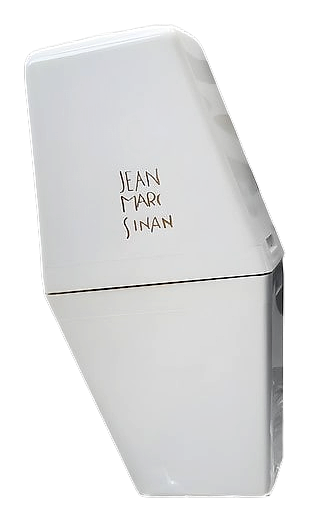
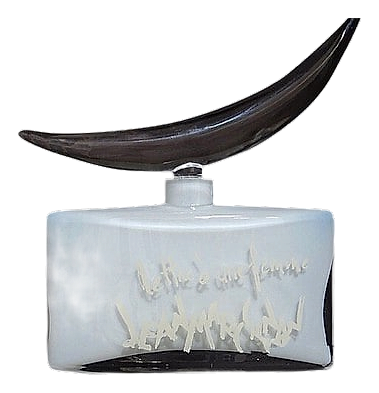
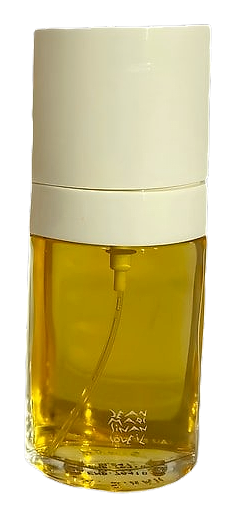
Jean-Marc Sinan arrived in this world carrying a suitcase full of contradictions. He was born in 1951 in what was once called Sham, the ancient name for Greater Syria, and his early life reads less like a perfumer's origin story and more like a picaresque novel. By fourteen, he was living rough on the streets of London, a teenage drifter caught up in the last gasps of Swinging London. The years that followed took him further: five years wandering the North African deserts, stints as a mine worker and a florist, and somehow, against every odd, a foothold inside the house of Christian Dior. He interned there in an era when the atelier still resembled a couture salon more than a corporation. Sinan moved through fashion at speed, reportedly becoming one of the youngest couturiers working in Paris, before turning his restless energy toward fragrance. In 1984, he launched his first self-titled scent, a sophisticated oriental that placed him in conversation with the great furrier perfumers of the era. His trajectory from desert wanderer to Parisian nose remains one of perfumery's more improbable biographies.
The hits
Notable creations
The signature
How Jean-Marc composes
Sinan's signature rests in the oriental register, a category he treats with patience and density. His 1984 debut, Sinan, drew comparisons to the celebrated fur-house fragrances of the era, suggesting a working method that privileges depth over brightness. He appears fluent in the warm, resinous vocabulary of classical French perfumery: rich florals layered over woods, sweetened by honey accords, and grounded in ambery bases. The florist years, if they left any trace in his technique, likely show up in how he treats rose and jasmine as living materials rather than decorative notes. His compositions tend toward complexity built from relatively traditional raw materials, finished with the kind of concentration that rewards a wearer who lets the scent warm on skin for hours.
Philosophy
What drives Jean-Marc
Sinan approaches perfumery as a man who has lived several lives before picking up a bottle. His formula philosophy seems rooted in autobiography rather than trend forecasting. Where many of his contemporaries in 1980s Paris chased power and projection through brute material force, Sinan built compositions that read more like personal memoirs, dense with the spices, resins, and sun-warmed florals that might pass through the imagination of someone who has actually known desert heat, cold London pavements, and the jasmine-heavy air of the Mediterranean. His work reflects a belief that fragrance should carry biography, not just branding.
The houses
Maisons Jean-Marc composes for
In the same league