The Story
Why it exists.
The beginning
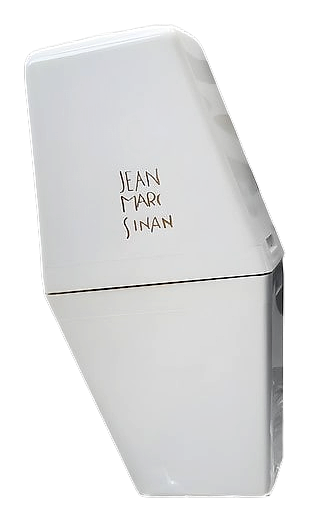
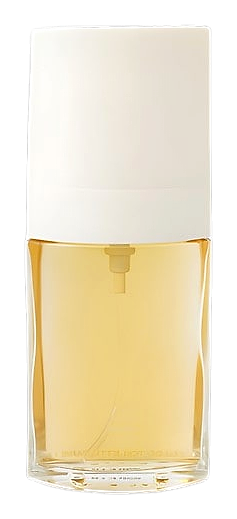
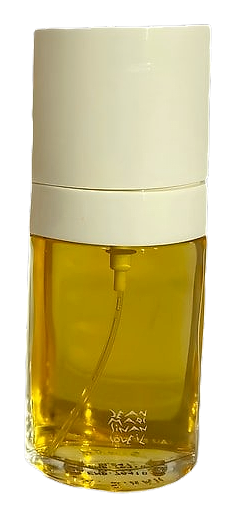
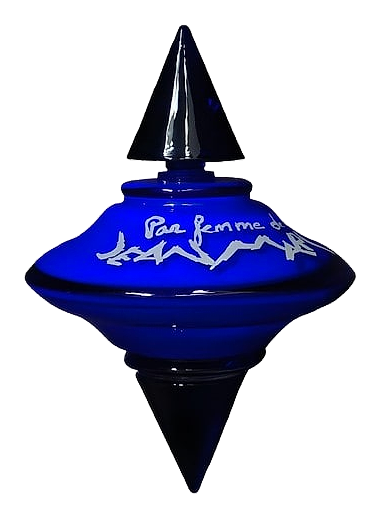
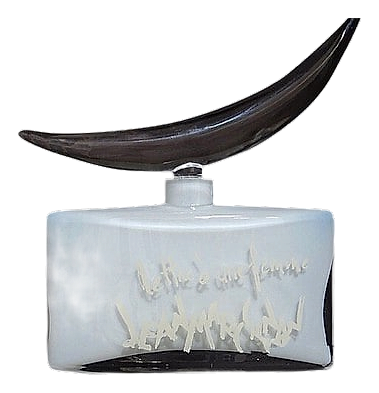
Lettre à Une Femme arrived in the 1980s, one of three fragrances housed in handmade bottles that defined Jean-Marc Sinan's perfume line during its formative years. The name translates plainly: a letter to a woman. No mythology, no far-flung location. Just a document, addressed to someone specific, steeped in the kind of floral-woody language French perfumery had spent decades perfecting. Sinan treated fragrance as a creative practice with its own rules. The composition sits within an early catalog that includes the house's other notable releases, a collection unified by a certain classical discipline. The chypre structure that anchors this work, with its iris, moss, and patchouli skeleton, reflects the perfumery conventions Sinan inherited and worked within, rather than against.
What makes this composition worth noticing is its adherence to the chypre structure, a form built on contrasts between floral brightness and earthy depth. The Florentine iris and orris root lend a cool, almost mineral opening. Singapore patchouli and Yugoslavian oakmoss do the grounding work. Italian jasmine and oriental rose supply the floral dimension, and ylang-ylang rounds it out with that creamy, slightly metallic sweetness that prevents the whole thing from reading as austere.
The evolution
The opening belongs to iris. There's a powdered, rooty coldness to it, almost like violet candy crossed with suede, and it sits far closer to the skin than you'd expect from a chypre of this style. Italian jasmine arrives quietly underneath, lending a faint indolic warmth that keeps the coolness from feeling clinical. The rose, treated here as oriental rather than sheer, unfolds gradually, petal by petal, adding a wine-dark sweetness to the iris's chalk. As the composition develops, the base fully takes over. Yugoslavian oakmoss brings its forest-floor dampness, Singapore patchouli adds that earthy cocoa-dust undertone, and the sandalwood smooths the whole thing into something close to skin-warm velvet. The ylang-ylang, which seemed almost invisible at the start, becomes more present in the later stages, giving the drydown a slightly honeyed, almost animalic finish.
Cultural impact
Lettre à Une Femme reads as a deliberate statement within the chypre lineage, a composition that privileges the form's classical architecture over contemporary trend-chasing. It's built for wearers who gravitate toward the powdered restraint of traditional French perfumery, the kind of scent that announces itself only to someone standing close enough to matter. Within the house's own range, the fragrance shares a cooler, more austere sensibility with Air and Soleil, the other notable compositions that emerged alongside it.