The Story
Why it exists.
The beginning
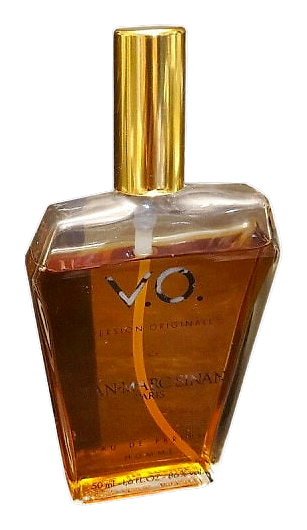
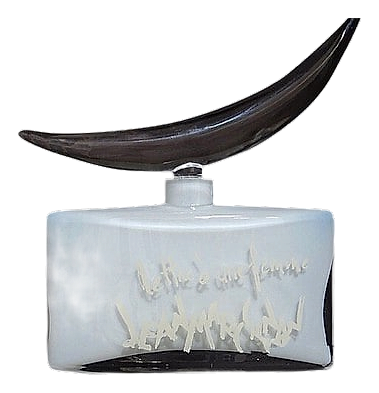
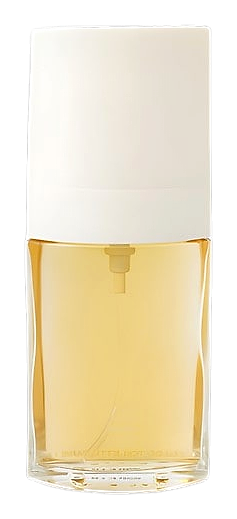
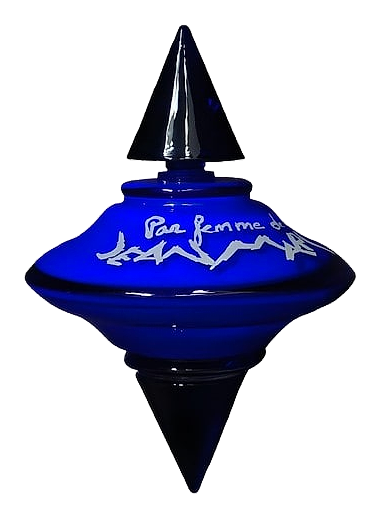
Jean-Marc Sinan launched Air in the 1980s, placing it among the brand's earliest wave of fragrances. The house has never traded in quiet luxury or inherited refinement. Jean-Marc Sinan was an entrepreneur who built a perfume line that carried a particular posture: confident, structured, unafraid to take up space. Air was released alongside Soleil and Lettre a Une Femme, and it broke from the chypre and oriental territory the house would later claim as its signature. Instead, it reached for something harder to pin down. A scent named for the most intangible element on earth, built around water, salt, and altitude.
Building an aquatic fragrance in the 1980s was not a safe bet. The combination of Mountain Air, Watery Notes, and Sea Notes forms what reads less like a traditional pyramid and more like an atmospheric one, a vertical structure where each element occupies its own altitude rather than its own phase. The composition reaches for the smell of height and distance rather than warmth and complexity on the skin. What makes the structure unusual is its commitment. No base notes of oakmoss or labdanum provide traditional grounding.
The evolution
The opening arrives like stepping outside from a warm room into January. There's a sharp mineral snap, the sense of cold air hitting the back of your throat, layered with something wetter underneath, like sea spray caught on fabric. The Marine and Aquatic notes do the heavy lifting in the first twenty minutes, bright and almost loud in their freshness, until the Watery Notes settle in and soften the edges. The ozonic quality never fully leaves. It just moves to the background, becoming less a note you smell and more a quality the whole composition holds. By the second hour, Air has thinned into something closer to clean laundry left on a line near the coast. The salt is still there, faint but persistent, and there's a quiet coolness that reads more like memory than scent.
Cultural impact
Air belongs to a small club of early 1980s aquatic fragrances that predate the category's mainstream explosion. It's a piece of French perfumery history from the moment before aquatics became a global default. Wearing it now means wearing something most people have forgotten existed. The fragrance represents an early attempt to bottle something genuinely intangible: not a flower, not a spice, not a resin, but the quality of air itself at altitude and near water.