The Story
Why it exists.
The beginning
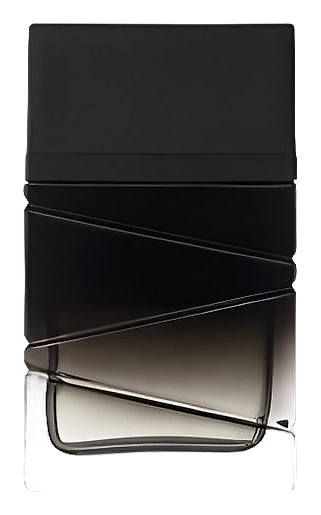
Nightshade arrived in 2014 as part of a pair, Woman and Man, marking another chapter in Conran's expanding collection. The name carries its own quiet tension: nightshade as poison, as beauty, as the plant that blooms after dark. Nightshade Man translates that duality into scent. Citrus opens sharp and daytime, then the warmth arrives, the kind that belongs to the hour when streetlights click on, not when they go off.
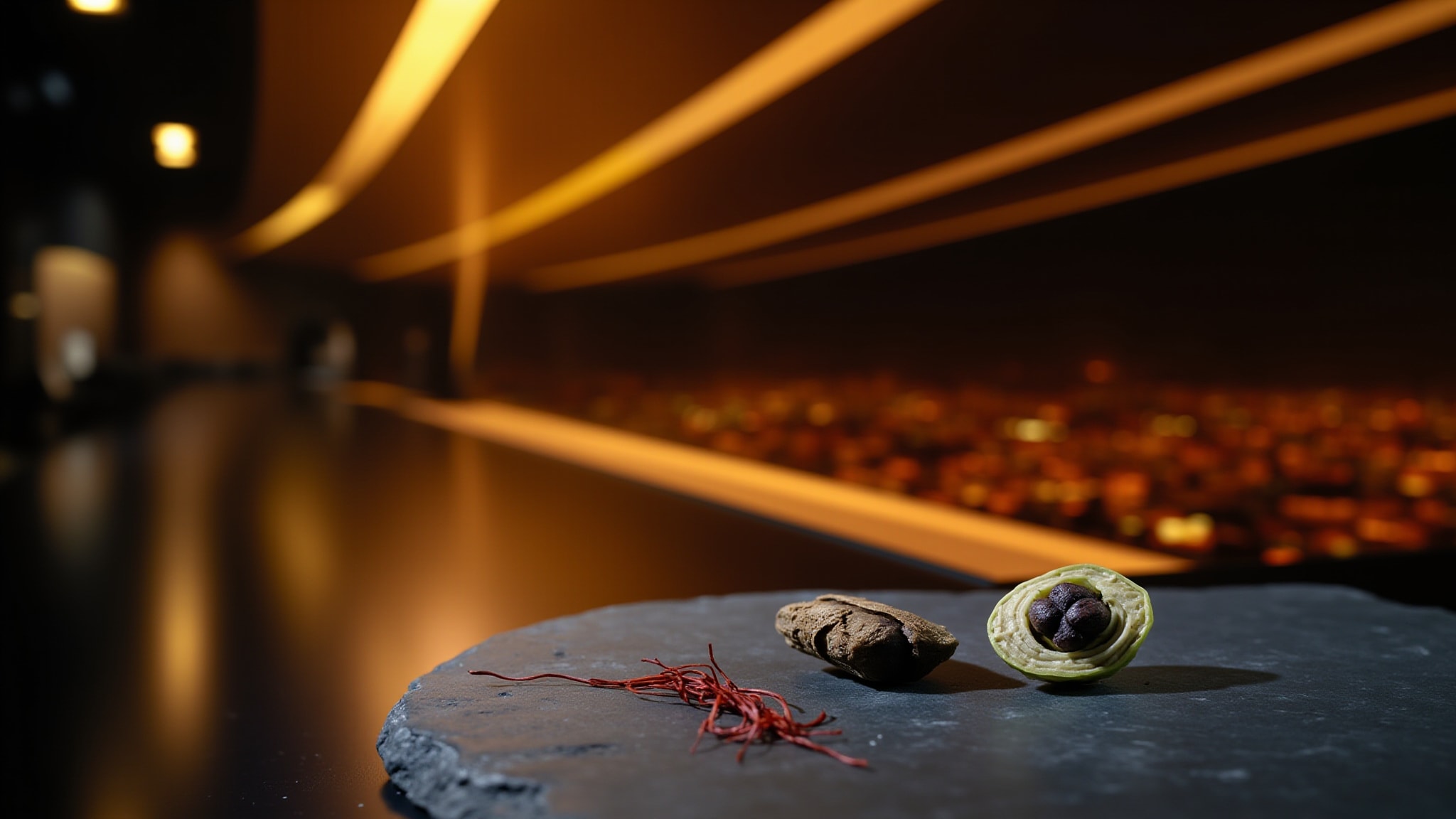
What makes this work is the bridge between cold and warm. The citrus top doesn't just disappear, it gets absorbed by the saffron-cardamom heart, which does something unusual: it keeps the brightness alive even as the spices deepen. Most fragrances in this class start sharp and end soft. Nightshade Man starts sharp and ends warm. The patchouli in the base isn't the earthy, hipster patchouli of the 2010s indie wave, it's the rounded, almost chocolate patchouli that keeps everything grounded without dragging it down.
The evolution
The opening hits bright and clean, orange, bergamot, grapefruit doing exactly what citrus should. Thirty minutes in, the spices arrive and the composition shifts. The saffron adds a slight medicinal edge that some people love and others find polarizing, but it works, because the cardamom keeps it from getting too sweet. Two hours in, the amber starts to show. Not loud. Just present. The drydown on skin runs 6-8 hours depending on your body chemistry, and on fabric it lingers into the next day, faint, warm, like the ghost of an evening that went well.
Cultural impact
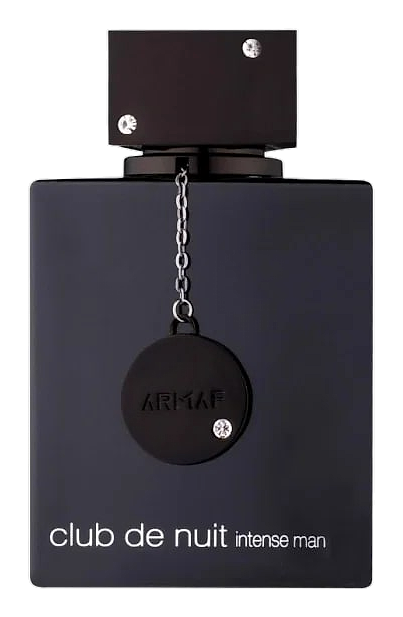
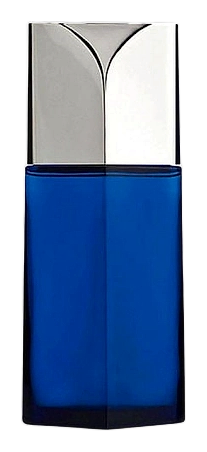
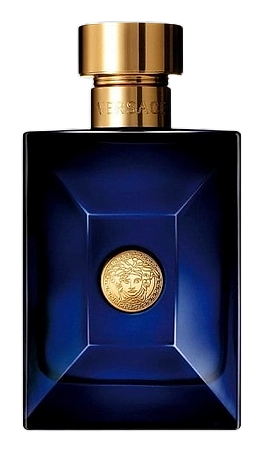
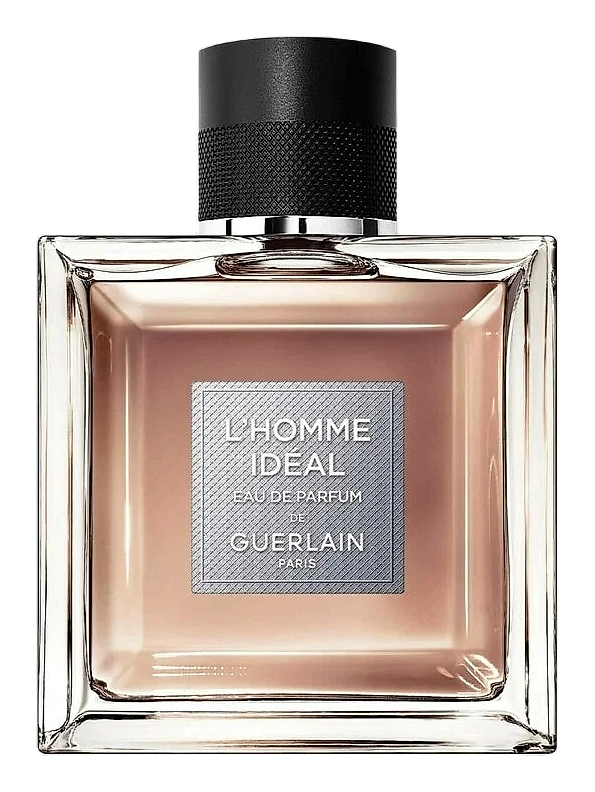
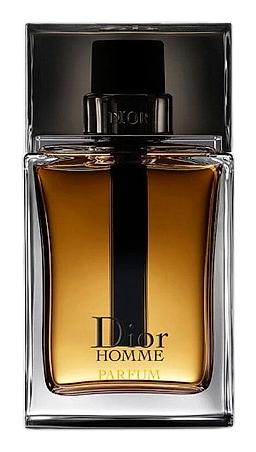
Nightshade Man occupies an interesting space: accessible enough to be a first purchase, interesting enough to reward repeated wearing. Wearers consistently compare it to Gucci Pour Homme II and Fan di Fendi, fragrances at double or triple the price. The consensus is simple: this is what you buy when you want the experience without the theater.