The Story
Why it exists.
The beginning
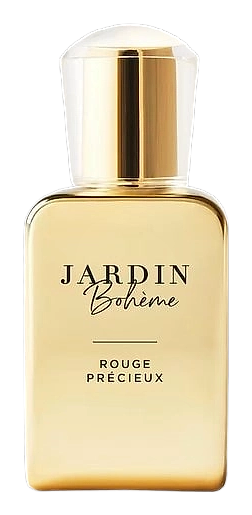
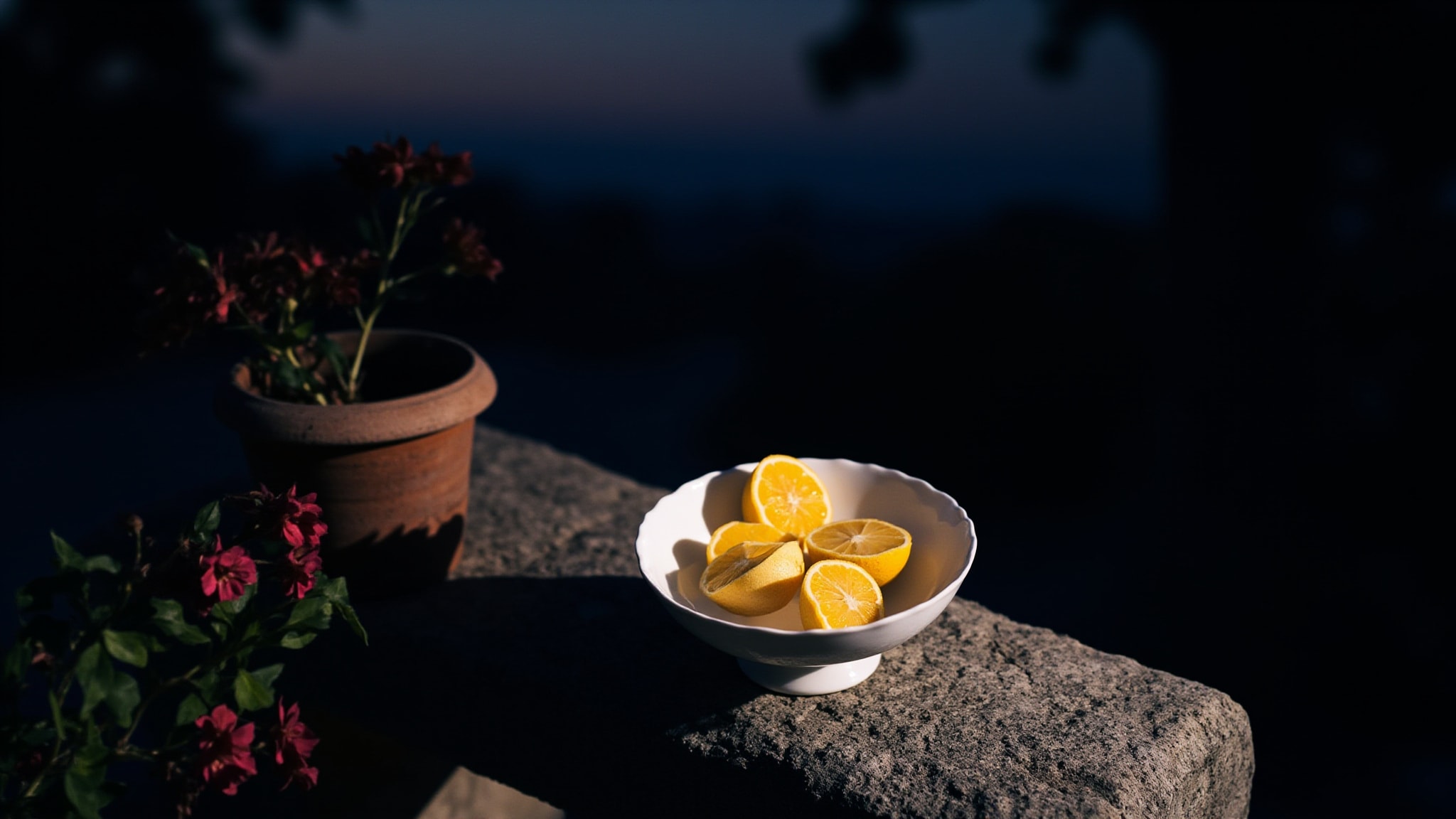
Jardin Bohème built Rouge Précieux around the image of rare red petals that only open after sunset, a botanical curiosity that lends the Italian house its signature narrative-driven approach. Rather than reaching for obvious imagery, the brand focused on capturing actual sensory contrast: the cool clarity of a garden at night meeting the warmth of petals holding onto the day's last light. The name, the red of the flower, the timing of its bloom, the perfume needed to reconcile these competing ideas into a single wearable form.
Jardin Bohème treats each note as a deliberate choice, not decoration. Lavender grounds the opening, preventing bergamot from reading as mere cleaning product. Pink pepper bridges the gap between fresh and floral. Ylang-ylang and jasmine occupy the heart together precisely because their combined effect outweighs what either achieves alone. The patchouli-vanilla-sandalwood trio in the base follows the same logic: each note contributes a different dimension of warmth, and dropping any one of them would leave the finish feeling incomplete. The whole structure depends on these specific pairings and timing sequences.
The evolution
Rouge Précieux begins its life on skin as a study in restraint, lavender and bergamot delivering clean aromatic clarity while pink pepper nudges the nose with a barely-there spice. As the citrus fades, ylang-ylang erupts with a creamy sweetness that shifts the fragrance into full floral territory. Jasmine then arrives to deepen the heart further, pushing the composition toward richness before patchouli anchors everything down. Bourbon vanilla and sandalwood complete the arc, sweetening and smoothing until the wearer becomes the lingering reminder of the bloom itself.
Cultural impact
Rouge Précieux has become a subtle cultural marker within the modern bohemian community, often referenced in social gatherings as a signature scent that evokes relaxed confidence. Its blend of lavender, bergamot, and pink pepper resonates with the growing appreciation for nuanced, gender‑fluid fragrances, encouraging conversations about personal expression and the evolving role of perfume in everyday identity. By aligning with artistic lifestyles, the fragrance subtly influences fashion choices and interior décor trends, reinforcing a cohesive aesthetic that celebrates individuality without overt statements.