The Story
Why it exists.
The beginning
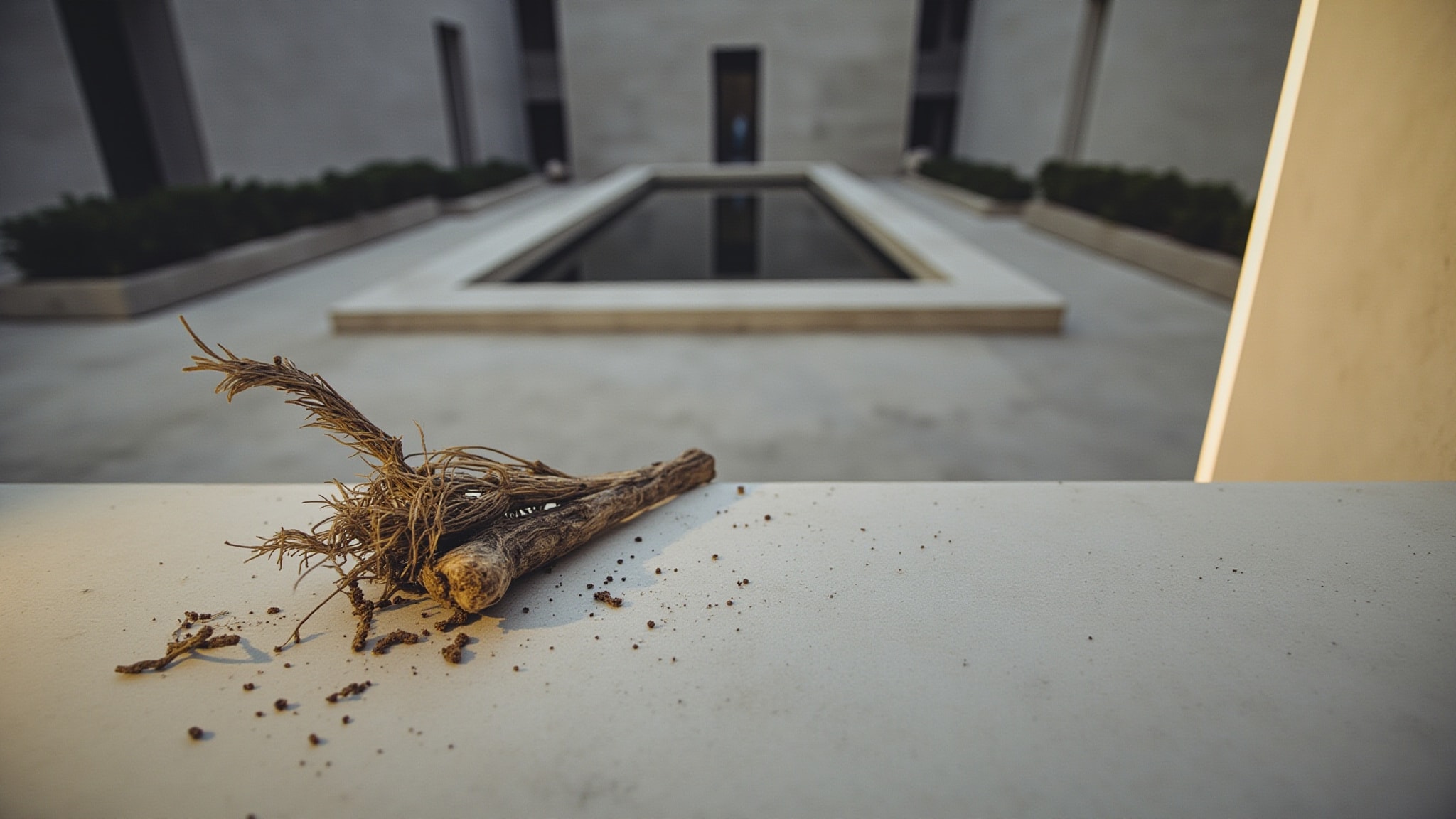
Shadow sits at the farthest edge of a house built on restraint. Its composition is less about immediate brilliance than controlled distance, revealing itself in measured stages and leaving plenty of space around each note. Vetiver provides an earthy foundation, while woods and spices lend a darker, more textured register. The result is deliberately indirect: familiar materials arranged without easy comfort, familiar enough to study and unfamiliar enough to keep unfolding. Shadow rewards attention, but it never becomes a simple statement. Its character lives in the shifting relationships between green, dry, woody, and aromatic impressions, where one element softens another and the whole composition remains slightly outside the obvious.
The fragrance opens with a cool, green impression that quickly gathers a sharper, almost mineral edge. Vetiver gives it structure from the beginning, though it is never heard as a single dominant note. It moves between earthy freshness and a drier, rougher texture, allowing the composition to change as it rests on skin. Spices add a quiet warmth, not as a clear sweetness but as a subdued accent that becomes more apparent over time. Shadow doesn't move toward a simple conclusion.
The evolution
The opening is crisp and green, with a cool, lightly mineral character that gives the fragrance its first sense of movement. As it develops, vetiver becomes more apparent, bringing an earthy dryness that balances the freshness and gives the composition a grounded center. The transition is gradual rather than dramatic: the bright initial impression gives way to a blend of green, dry, and faintly bitter facets. Spices remain restrained, adding depth without taking control of the composition. Over time, the woody character becomes more evident, shaping Shadow into a quieter, darker expression with a soft smoky undertone. Its wearability comes from this measured evolution, from the way the notes remain distinct while continually changing their emphasis.
Cultural impact
Within the world of niche fragrance, Shadow occupies an unusual position. Vetiver, woods, and spices are familiar categories, but their arrangement feels less decorative and more introspective. The fragrance offers a different kind of wear: an experience shaped by texture, contrast, and gradual change rather than by a single, instantly readable signature. For a collector who enjoys compositions that reveal themselves slowly, Shadow is an invitation to look beyond the first impression and spend time with its shifting details.
The House
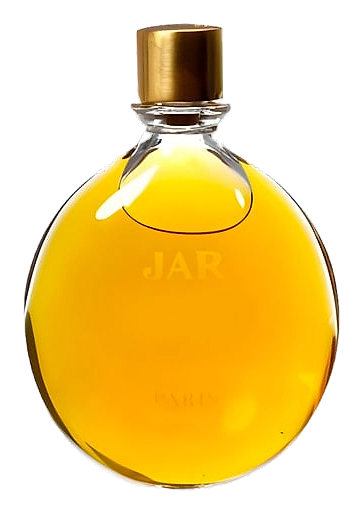
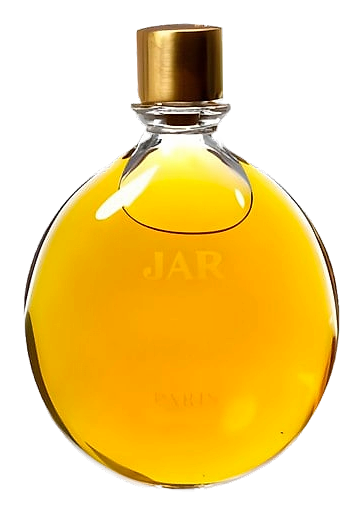
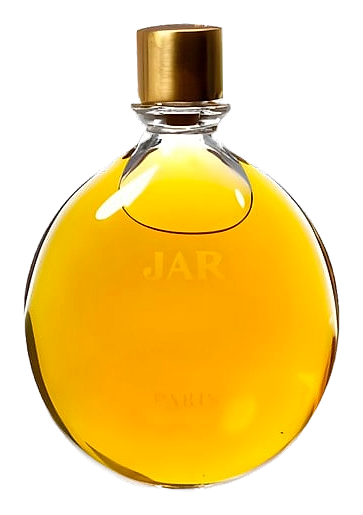
Jar ParfumsJAR Parfums occupies a singular position in the world of niche fragrance. The house emerged from the sensibility of Joel Arthur Rosenthal, a jeweler whose work commands some of the highest prices in the industry. Rosenthal began translating his aesthetic into scent during the late 1990s, creating perfumes that defy conventional categorization. The house produces a small, carefully considered collection of approximately eight fragrances, each bearing a name that reflects Rosenthal's distinctive taste and cultural references. Unlike most perfume houses, JAR releases no official note pyramids for its creations. Wearers are expected to experience the perfumes directly, discovering their composition through instinct rather than marketing materials. The house maintains an air of deliberate mystery, with boutiques in only a handful of global locations, including Paris and New York. This scarcity has cultivated an almost cultlike following among serious collectors and those who appreciate work that prioritizes singular artistic vision over commercial accessibility.
The Creator
Joel Arthur RosenthalThe JAR fragrance wardrobe is spare and singular. Rosenthal favors an architectural quality in his scents, structures built with unusual precision and unexpected materials.