
The Story
Why it exists.
The beginning
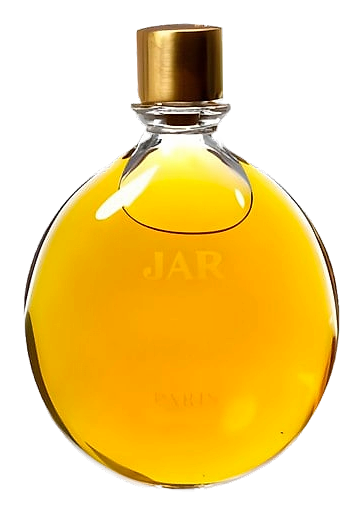
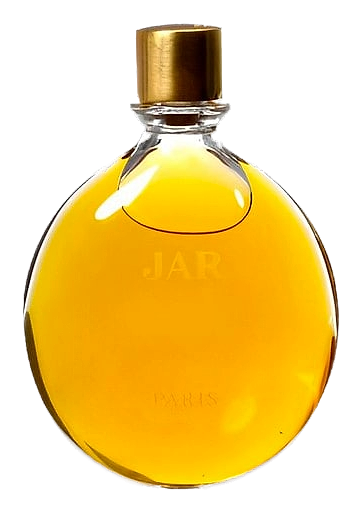
Diamond Water arrives with a deliberately sparse origin story, and the release year remains officially undisclosed. The brand keeps its compositions close, offering no published note pyramid, which means the tension at the center of the scent has to be read rather than recited. What emerges is a studied architecture of contrasts. Frankincense supplies resinous smoke, leather brings a polished, close-to-the-skin grain, spices add heat, and woods give the whole construction a dark, almost architectural base. A woody floral reading softens the edges, with carnation, lily, and tuberose functioning as perceived notes rather than an official breakdown. The name suggests water, but the performance is anything but simple.
That contradiction is what makes Diamond Water memorable. A white floral can feel airy and transparent; here, it sits inside incense, leather, spice, and woods, gaining weight without losing its floral character. Carnation brings a cool, powdery edge, lily a pale leafy hush, and tuberose a creamy, slightly fleshy depth. Frankincense and leather pull the composition toward evening, while the woods keep the drydown grounded. Nothing is especially loud for the sake of it. The scent builds through contrast, which gives it the feeling of a polished coat worn over something soft.
The evolution
The first impression is a measured wash of smoke and pale floral air. Frankincense gives the opening its resinous gravity, leather introduces a sleek, almost tailored grain, and the floral notes keep the result from turning stark. Spices move underneath, adding a dry flicker rather than a loud burst. As the scent develops, the floral heart becomes more apparent, with carnation, lily, and tuberose softening the darker materials. Incense continues to burn beneath everything, giving the middle a deep, polished warmth. The balance shifts gradually, with the florals gaining visibility before the heavier materials fold back in. By the drydown, the bright floral edges have receded, and leather, woods, and spice carry the composition close to the skin. The later stages feel quieter, more confidential, as though the scent has decided it has said what it came to say.
Cultural impact
Diamond Water carries a sense of deliberate character, holding its own dark floral tension within a wider landscape of smoky, woody niche creations. The scent reads as something kept rather than shown, more often encountered through word of mouth and shared references than through retail displays. Wearers tend to value specificity over trend, and the composition fits naturally into that sensibility, asking for attention rather than demanding it. Its presence in collector circles is quiet but consistent, with the dark floral character distinguishing it from purely smoky or purely woody releases in the same range.
The House
Jar ParfumsJAR Parfums occupies a singular position in the world of niche fragrance. The house emerged from the sensibility of Joel Arthur Rosenthal, a jeweler whose work commands some of the highest prices in the industry. Rosenthal began translating his aesthetic into scent during the late 1990s, creating perfumes that defy conventional categorization. The house produces a small, carefully considered collection of approximately eight fragrances, each bearing a name that reflects Rosenthal's distinctive taste and cultural references. Unlike most perfume houses, JAR releases no official note pyramids for its creations. Wearers are expected to experience the perfumes directly, discovering their composition through instinct rather than marketing materials. The house maintains an air of deliberate mystery, with boutiques in only a handful of global locations, including Paris and New York. This scarcity has cultivated an almost cultlike following among serious collectors and those who appreciate work that prioritizes singular artistic vision over commercial accessibility.
The Creator
Joel Arthur RosenthalThe JAR fragrance wardrobe is spare and singular. Rosenthal favors an architectural quality in his scents, structures built with unusual precision and unexpected materials.