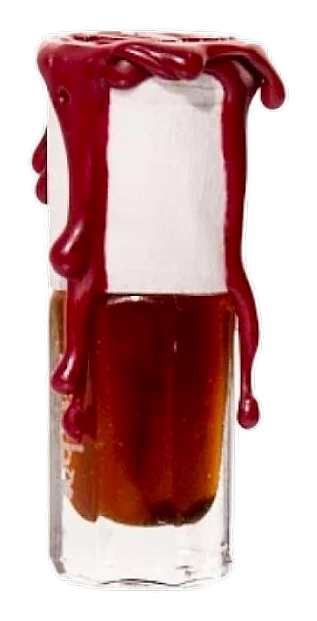
The Story
Why it exists.
The beginning
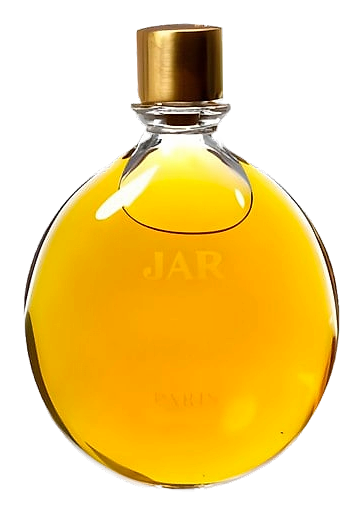
Ferme tes Yeux, French for "close your eyes," emerged from the singular vision of Joel Arthur Rosenthal, the jeweler whose work has defined a certain kind of quiet luxury. Rosenthal brought to perfumery the same refusal to explain that shaped his jewelry. JAR Parfums releases no rationale beyond the bottle itself. The fragrance speaks, or it doesn't. Ferme tes Yeux entered that deliberately opaque catalog, part of a collection that collectors acquire not through discovery but through pursuit. The name itself is an instruction, and possibly a warning. Close your eyes. Stop looking. Smell what is actually there. What you find is a composition built on three declared pillars, leather, woodsy notes, and spices, and yet the perfume refuses to read as simple.
What makes Ferme tes Yeux structurally unusual is how narrow its declared note range is against how much character it delivers. Three pillars, leather, woodsy notes, and spices, carry an entire composition that reads as animalic, smoky, and intensely warm. That minimalism is the point. The leather here is not the polished saddle variety or the sweet suede; it carries a raw, slightly animalic muskiness that doesn't behave like modern leather accords. It recalls an older mode of perfumery, one that trusted its materials to speak without sweetening.
The evolution
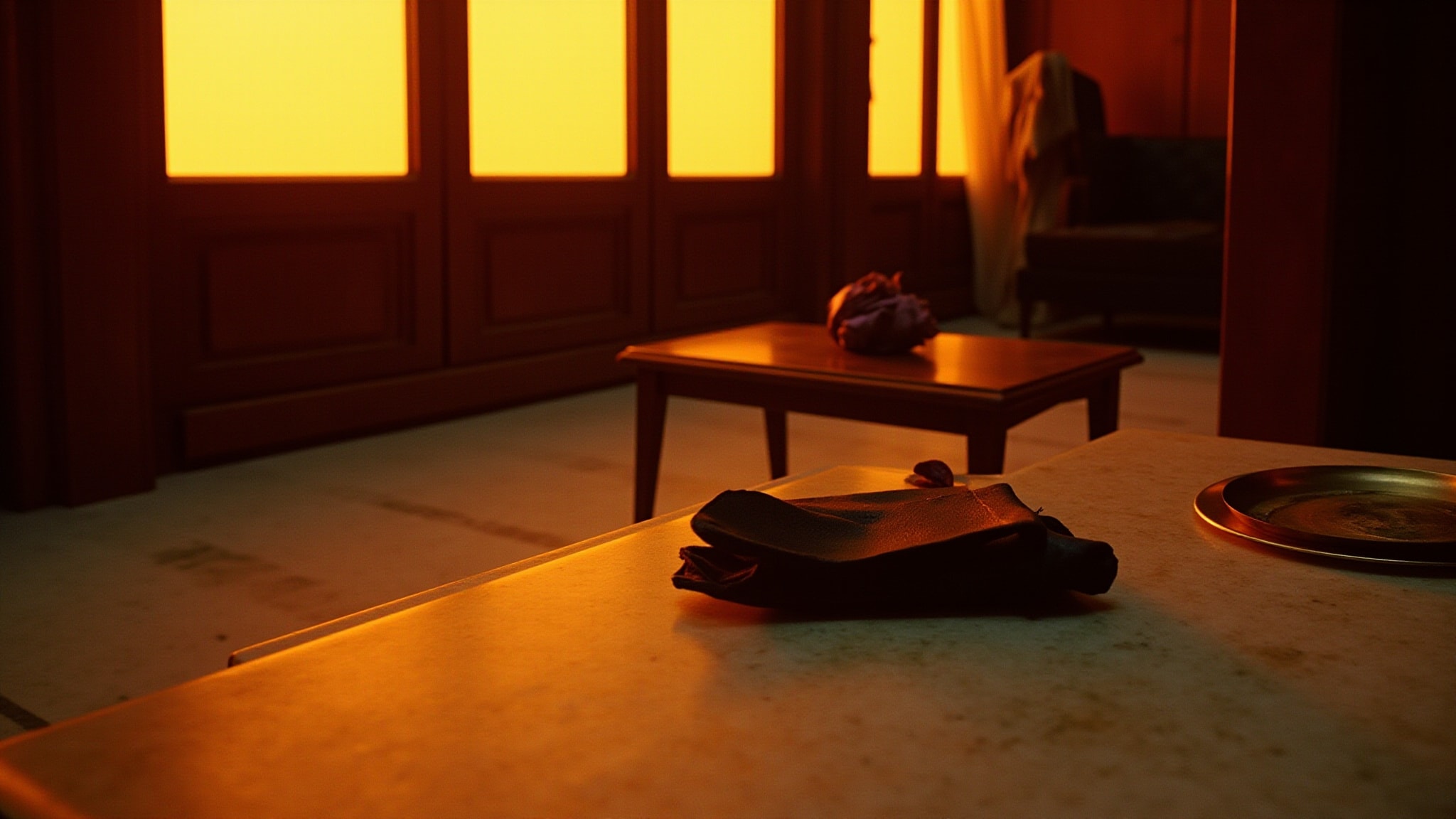
On skin, Ferme tes Yeux opens with a sharp, almost confrontational musk that pulls you in before you've registered the leather underneath. The first thirty minutes are the most divisive: animalic, powdery in a vintage French way, edged with a dark rose that never announces itself as florid. It smells less like a perfume and more like a room someone important has just left. By the one-hour mark, the leather takes over, dry, structural, with beeswax smoothing the edges. The spices warm the composition from below, more suggestion than declaration. The drydown arrives around hour six, and this is where the fragrance earns its reputation. Everything softens into a close, intimate musk that clings to fabric the next morning. On a coat collar, you catch it for days. On skin, it fades to something almost powdery and warm, a whisper of the animalic opening that started everything.
Cultural impact
Ferme tes Yeux occupies the territory of the committed collector, not the curious browser. The fragrance rewards the wearer who has moved past wanting to be explained to. In a market where ingredient transparency and storytelling have become central to how perfumes are sold and understood, Ferme tes Yeux stands apart. It withholds its construction entirely, offering no note pyramid, no creative rationale, no marketing narrative to frame the experience. The bottle arrives, and what is inside is allowed to speak for itself. This philosophy puts the burden, and the pleasure, entirely on the wearer.
The House
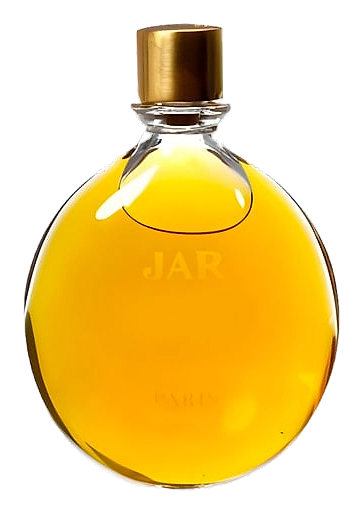
Jar ParfumsJAR Parfums occupies a singular position in the world of niche fragrance. The house emerged from the sensibility of Joel Arthur Rosenthal, a jeweler whose work commands some of the highest prices in the industry. Rosenthal began translating his aesthetic into scent during the late 1990s, creating perfumes that defy conventional categorization. The house produces a small, carefully considered collection of approximately eight fragrances, each bearing a name that reflects Rosenthal's distinctive taste and cultural references. Unlike most perfume houses, JAR releases no official note pyramids for its creations. Wearers are expected to experience the perfumes directly, discovering their composition through instinct rather than marketing materials. The house maintains an air of deliberate mystery, with boutiques in only a handful of global locations, including Paris and New York. This scarcity has cultivated an almost cultlike following among serious collectors and those who appreciate work that prioritizes singular artistic vision over commercial accessibility.
The Creator
Joel Arthur RosenthalThe JAR fragrance wardrobe is spare and singular. Rosenthal favors an architectural quality in his scents, structures built with unusual precision and unexpected materials.