The Story
Why it exists.
The beginning
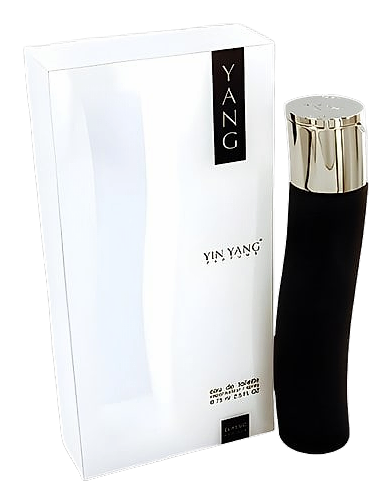
Yang arrives in 1999 as part of a house known for theatrical flair worn with Parisian irreverence. The Jacques Fath name had long since translated couturier drama into fragrance, Green Water in 1946, Iris Gris the same year, Fath de Fath in 1953. Yang's brief was different: take something unexpected as a masculine anchor and build a composition around it. Green tea was uncommon in men's fragrance at the close of the 1990s. Where contemporaries reached for ozonic accords or aggressive woods, Yang reached for a note associated with stillness. The name itself, Yang, suggests duality: the counterweight, the complement, the thing that makes Yin make sense. The fragrance translates that philosophical tension into olfactory form: fresh but not cold, woody but not heavy, present but not demanding.
Green tea as a masculine fragrance anchor was unusual in 1999. Most aromatic men's compositions of that era relied on lavender, oakmoss, or citrus, structures built for projection and barbershop tradition. Yang sidestepped that entirely. The green tea note carries a bitter, slightly metallic quality that reads as fresh without being ozonic, clean without being soapy. It's a note that asks something of the wearer: patience, attention, a preference for nuance over volume. Cardamom in the heart adds warmth without sweetness, an aromatic spice that bridges the cool top and woody base without forcing the transition.
The evolution
The opening hits bright and cool, grapefruit and mandarin orange create an immediate citrus burst, but the green tea is already there underneath, bitter and grounding. Within fifteen minutes, the citrus recedes and the tea asserts itself fully. The tea doesn't smell like the drink, it's more mineral, almost medicinal, with a green vegetal quality that keeps the citrus from feeling sweet. The heart develops over the next thirty minutes: cardamom arrives with warmth, vetiver with earthiness, violet with a powdery hush that softens everything. The transition is smooth but not seamless, there's a moment where the composition seems to hold its breath, waiting for the base to arrive. The drydown is where Yang earns its name. Cedar and sandalwood arrive slowly, building a woody structure that lasts through the fourth hour. The musk in the base keeps everything close to skin, intimate projection, minimal sillage. The violet lingers longest, a powdery ghost that stays detectable into hour six on most skin types.
Cultural impact
Released in 1999, Yang arrived at a moment when masculine perfumery was still negotiating the transition from barbershop tradition to the woody explosions of the 2000s. Green tea as a primary material was genuinely uncommon, more associated with Japanese aesthetics and niche wellness than with masculine fragrance pyramids. The Jacques Fath house, known for theatrical flair, made an unusual choice: build around quietness instead of presence. Wearers who connect with Yang tend to appreciate that restraint, the fragrance rewards patience over projection, nuance over impact.