
The Story
Why it exists.
The beginning
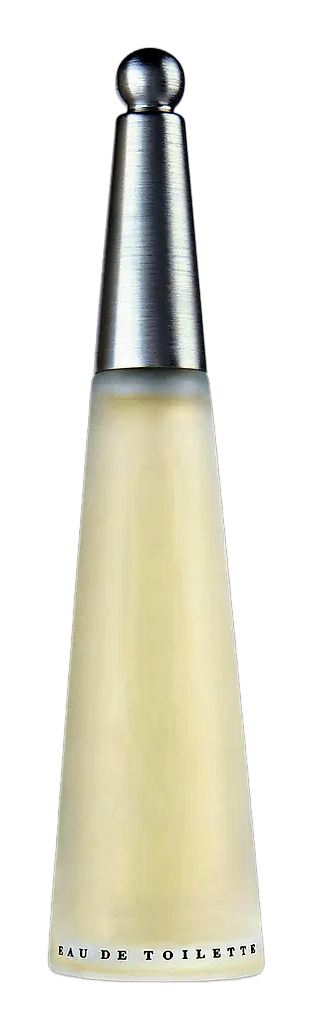
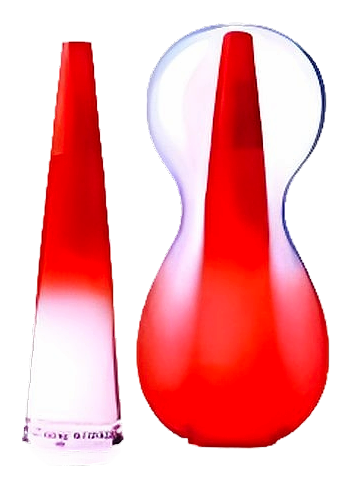
Soleil d'Issey arrived in 2001 as a limited summer edition, a companion to the darker, more mysterious Lune d'Issey. Where the original L'Eau d'Issey translated Miyake's reductionist vision into the purity of water, this edition chased something different: the warmth of light itself. Not sunlight as metaphor, but the actual quality of sunlit air, the warmth you feel on skin, not the reflection off water. The brief wasn't floral or citrus or aquatic. It was golden. The result is a fragrance that trades the cool stillness of water for something brighter and warmer, the scent of essence stripped to its most essential warmth.
The unusual choice of beeswax as a heart material defines this fragrance. Beeswax occupies an unusual space in perfumery, waxy, animalic, faintly sweet, it carries the memory of honeycomb and warm light without being literal about it. Here, it bridges the gap between the bright citrus opening and the deeper base notes, adding a richness that keeps the scent from flattening into mere freshness. The white florals, jasmine sambac, lily of the valley, violet, keep it feminine and soft. The musk and sandalwood base ensures the warmth doesn't disappear. The result is a summer fragrance that actually smells warm, not one that merely announces its season with cold citrus.
The evolution
The opening is quick and bright, lemon zest, neroli's orange-blossom brightness, a flicker of cool green from freesia. It announces itself clearly, then begins to recede within the first thirty minutes. The transition into the heart is where Soleil d'Issey becomes itself. Beeswax rises, warm and waxy, carrying honey's memory without being sweet. The rose and jasmine sambac enter softly, keeping the composition floral but not heavy. Violet adds a powdery edge that reads as clean rather than dusty. The florals thin and the base takes over, musk close to the skin, sandalwood adding a quiet creaminess. What lingers is a soft, warm haze that feels like the ghost of a sunny afternoon. On fabric, it can last into the evening. On skin, four hours is the ceiling, with moderate sillage that rewards proximity over projection.
Cultural impact
Soleil d'Issey arrived in 2001 alongside Lune d'Issey, the darker, more nocturnal companion. Where the original L'Eau d'Issey had established the house's aquatic identity in 1992, this edition offered a warm counterpoint. Rather than pursuing water further, the house translated its opposite: the warmth of sunlight as material, not metaphor. The result feels less like reflection and more like presence, a fragrance that captures light's warmth in a form you can wear.