
The Story
Why it exists.
The beginning
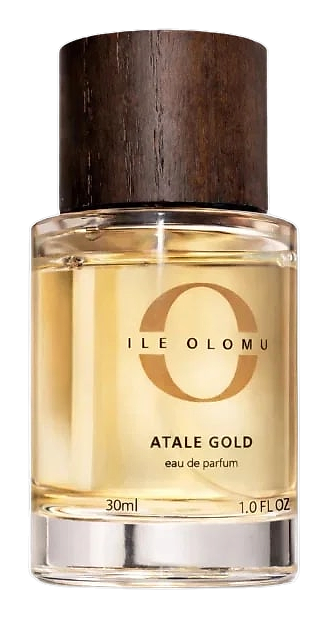
The name carries the weight of ancestral gold, prosperity, the kind of warmth that isn't borrowed or performed. Atalẹ Gold sits as a composition from Ilé Olomu, the house whose catalog of releases includes Milora and Verdant among its companions. Released in 2025, it was composed by perfumer Andreas Wilhelm, whose hand grounds the house's cultural vision in balanced architecture and considered materials. The fragrance reads radiance without ornamentation, a study in how warmth can be rendered with discipline rather than decoration. There's nothing tentative about its glow; the opulence arrives pre-intentioned, as though the juice itself knows what it wants to say.
What makes this composition worth attention is the structure beneath the warmth. Bergamot and ginger open with brightness that feels architectural, not decorative, a citrus-spice accord that frames the composition rather than greeting it politely. The heart is an unusual move: jasmine and ylang-ylang placed against patchouli, two florals that traditionally anchor different genres here share the same ground, and the friction between them is where the character lives.
The evolution
Atalẹ Gold sits within a small but deliberate catalog from Ilé Olomu, a house that treats its output as a continuous conversation rather than a flood of releases. The juice itself reflects years of considered work, with each note given space to argue its case in the composition. Amber, sandalwood, and a generous dose of jasmine form one of the structural anchors, while patchouli and ylang-ylang add depth without tipping the heart into sweetness. The opening of bergamot and ginger keeps the first impression from collapsing into incense, providing a citrus-spice clarity that frames the warmer materials to come. The base settles into cinnamon, more amber, and a vanilla close that reads woodier than gourmand, as though the sweetness has been filtered through bark and resin before reaching skin.
Cultural impact
Atalẹ Gold arrives as part of a small but deliberate catalog from a house that treats West African heritage as something carried, not performed. The fragrance sits comfortably alongside the house's other releases, holding its own within a body of work that values consistency and craft. The composition draws on a register of resin, spice, and skin, materials that carry their own cultural weight without needing to announce their origins. It's a release that wears its references quietly, letting the juice speak through structure and sillage rather than through overt symbolism.