The Story
Why it exists.
The beginning
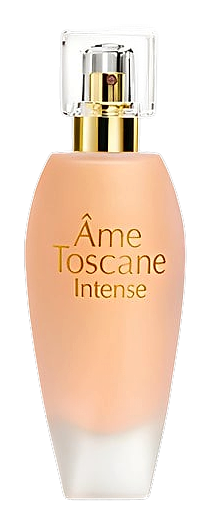
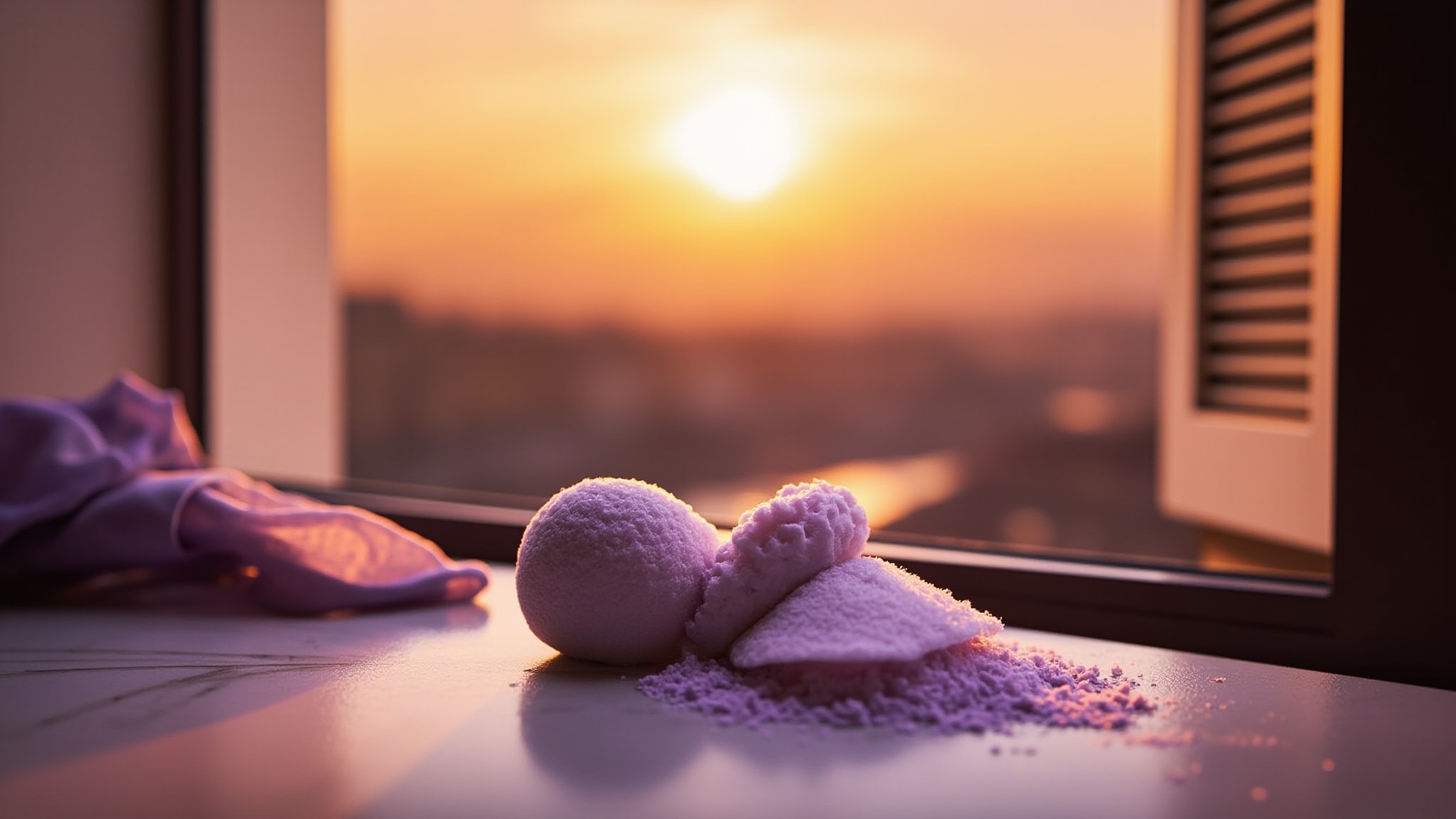
Nicolas Beaulieu designed Ame Toscane Intense around a single image: Florence at the moment the sun drops behind the Arno. The city turns violet, the light goes golden, and the air smells of something clean and powdery, iris, perhaps, or the memory of it. He wanted to bottle that hour. The 2017 launch brought together the fruit markets of the Italian south with the powdery florals that have defined Tuscan perfumery for centuries. Apricot and lychee arrive bright and tart. The iris follows, velvety and restrained. Musk and vanilla close the composition, warm, intimate, lasting long after the sunset ends.
What makes this composition interesting is the tension between the fruity opening and the powdery heart. Apricot and lychee are inherently sweet, almost juicy, they grab attention immediately. But iris is cool, almost mineral in its softness. The two don't fight. They negotiate. The raspberry and rose then thread through the iris, adding a brief floral sweetness before the white cedar and vanilla anchor everything into something warm and skin-like. It's a composition that moves from bright to intimate in the span of an hour, which is exactly what a Tuscan evening does.
The evolution
The first spray hits bright. Apricot and lychee arrive together, tart, sparkling, impossible to miss. Mandarin orange adds a flash of citrus that keeps things crisp for about twenty minutes. Then the iris steps in. It doesn't announce itself. It settles. The fruit begins to recede, and in its place comes a powdery softness that reads almost like violet, almost like talc. Raspberry and rose hover briefly, a fleeting sweetness that disappears into the iris. This is where most fragrances would plateau. Instead, the base takes over gradually, white cedar first, adding a woody warmth that supports the powder. Then musk, close and intimate. Then vanilla, slow and persistent. By hour four, you're wearing something that smells like warm skin and iris powder. It doesn't project anymore. It whispers. The next morning, a faint trace of vanilla and musk on a scarf or pillowcase. That's the tell. That's what lingers.
Cultural impact
The Tuscan-inspired naming trend in fragrance reflects a broader cultural fascination with regional Italian identity as a marker of luxury and authenticity. Tuscany has long symbolized Renaissance heritage, pastoral elegance, and sun-drenched Mediterranean warmth in the collective imagination. Scents referencing this region tap into a romanticized vision of Italian craftsmanship and la dolce vita. This marketing approach sells not just a fragrance but an entire geographical and cultural fantasy. The use of fruit notes like apricot, lychee, and mandarin reinforces the connection to Mediterranean abundance and seasonal freshness. Fragrance consumers increasingly seek scents that tell a story rooted in specific places rather than abstract florals or generic musks.