The Story
Why it exists.
The beginning
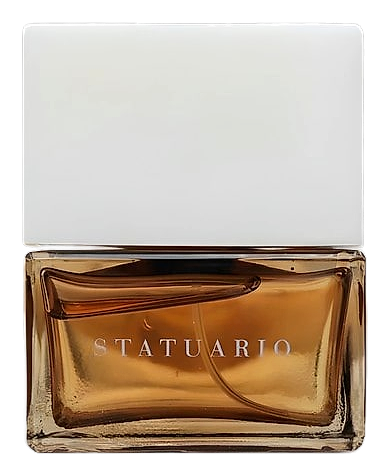
Statuario takes its name from one of the most celebrated white marbles in the world, a stone prized by sculptors and architects for its luminous quality and refined appearance. The fragrance opens bright and fruity, almost playful, but the real work happens underneath, where cooler tones add depth and keep everything grounded. It's a logic applied to scent: beauty without performance, elegance without effort. The balance feels intentional, restraint as a form of sophistication rather than absence.
The real trick here is the balance. Seven florals in the heart could collapse into a powdery mess, instead, the composition keeps things airy and lifted. The floral heart doesn't become heavy; it breathes. Vanilla and cedarwood arrive as the base develops, lending warmth that settles close to the skin rather than expanding outward. That's the marble talking. Even warmth, in this world, should feel carved.
The evolution
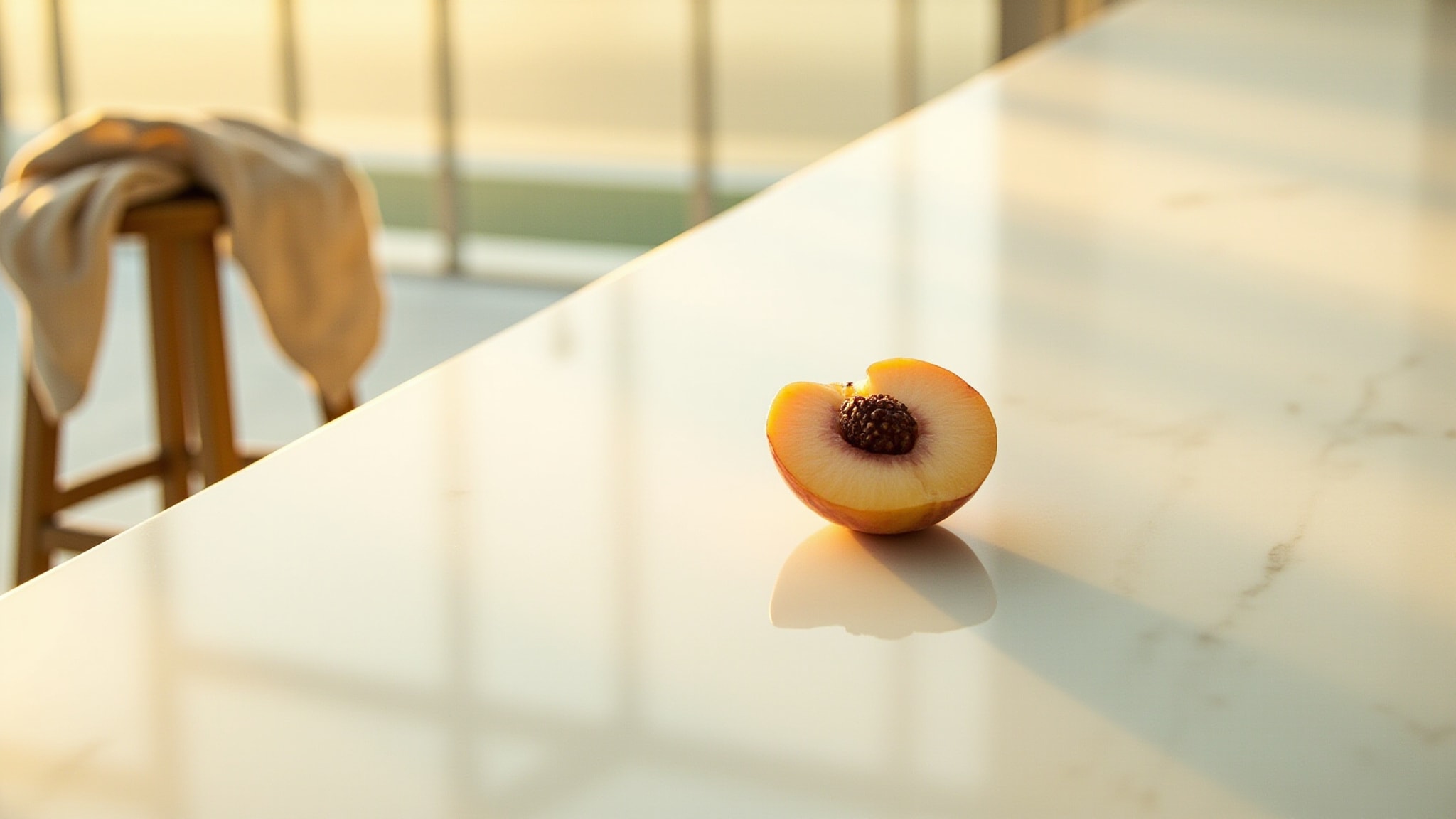
The opening hits like biting into a ripe peach, skin and all, while a marine breeze cuts across cool stone. Lime's citrus peel and green stems lift everything upward. The florals emerge gradually, ylang-ylang and jasmine sambac leading, with iris and lotus providing an almost mineral coolness that keeps them grounded. The heart doesn't bloom so much as reveal itself, like morning light across pale stone. Vanilla and white musk arrive as the composition develops. Cedar and vetiver anchor the drydown, a soft warmth that stays close to the skin, never announcing itself but never entirely leaving.
Cultural impact
Statuario sits in the wider conversation about provenance and craft. The marble-naming convention isn't gimmick, it's a claim about origin, about the two-thousand-year history of a material that built cathedrals and sculptures. In a fragrance market saturated with borrowed intensity, this one stakes its identity on restraint and geological patience.