The Story
Why it exists.
The beginning
Atropa bears the name of the genus itself, the botanical root from which House of Atropa takes its entire identity. The house is the work of Elisabeth Andrék, a perfumer, with the composition credited to Lisa Andrék. Released in 2026 as part of a catalog that now numbers over thirty fragrances, Atropa is, in a sense, the house distilled to its most elemental referent: the nightshade, the beauty, the danger that beauty carries. The fragrance draws on a palette that reads as immediate and exact. Parma violet opens with that particular candy-powder sweetness, almost confectionary in its clarity, while Dame's Rocket layers in a greener, cooler floral whisper beside it. Hibiscus introduces a darker, almost wine-stained facet, pushing the composition toward something more ambiguous.
What makes this composition unusual is how thin the line is between its floral register and its resinous backbone. Parma violet and Dame's Rocket bring a powdery, almost cosmetic softness, while hibiscus adds a darker, wine-tinged floral murmur that refuses to stay decorative. The amber, patchouli, and oud at the base aren't decorative support either. They crowd in. The accord reads woody, powdery, warm spicy, and earthy all at once, a stack of categories that usually fight each other but here hold because the violet is assertive enough to mediate.
The evolution
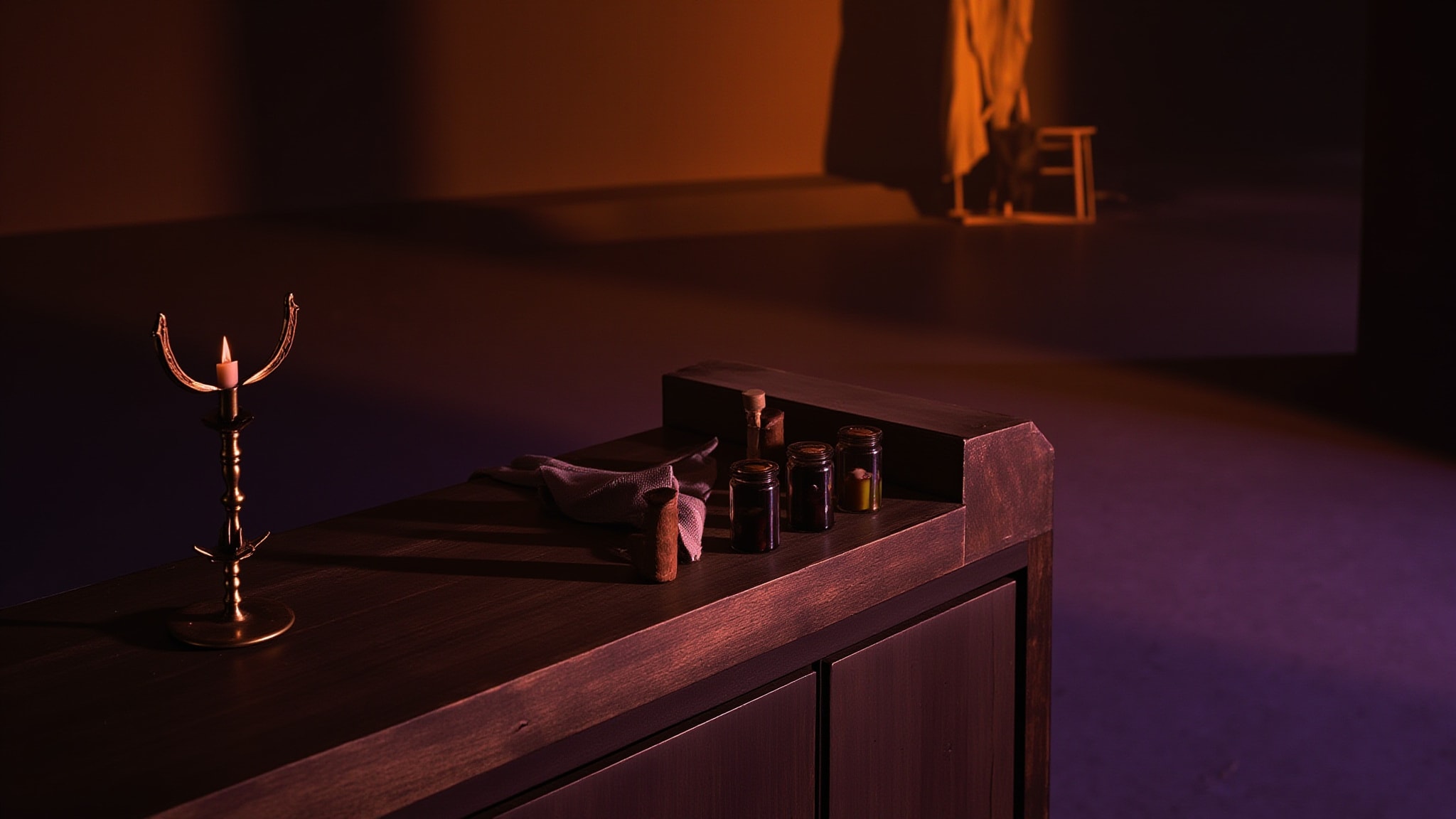
Atropa opens with a sharp, almost medicinal brightness that recalls the cold glass of an old apothecary jar. The first minutes feel precise and slightly bitter, as though the perfume is announcing itself without raising its voice. Within twenty minutes a softer warmth rises underneath, a resinous sweetness that rounds the sharper edges and adds weight. By the end of the first hour the composition settles into something darker and more intimate, with smoky and earthy notes pulling the scent closer to the skin. Over the course of several hours the profile keeps shifting in small increments, never settling into one clear character, which keeps the wearer returning to their wrist to check what has changed. The drydown is the quietest phase, a faint trail of woods and dry herbs that lingers like the memory of something just out of reach.
Cultural impact
Atropa reads as the house's most concentrated statement piece. Composed around the violet-oud-amber territory, the fragrance occupies a space where sweetness and shadow have always overlapped. Parma violet brings that candy-powder register, almost confectionary at first spray, while hibiscus and Dame's Rocket push the florals toward something darker and more wine-stained. The base of amber, patchouli, and oud doesn't merely support the composition; it presses against the florals, crowding in with a resinous insistence.
The House
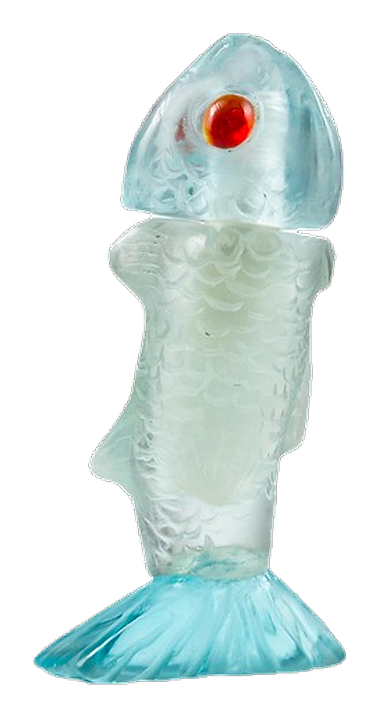
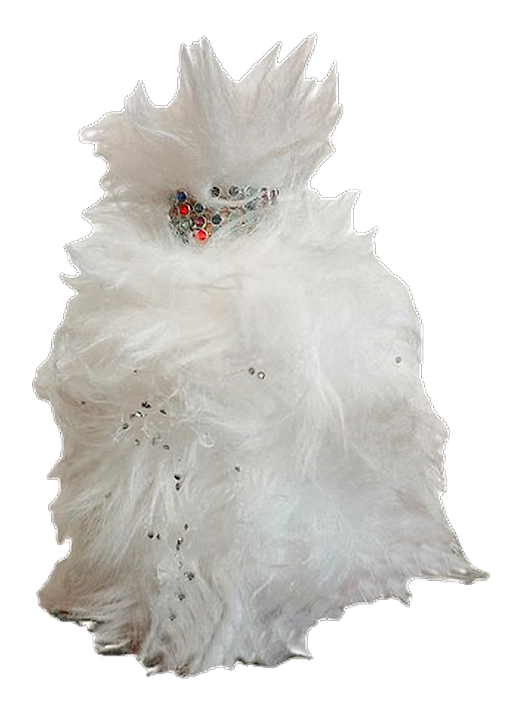
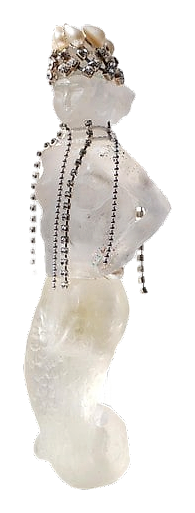
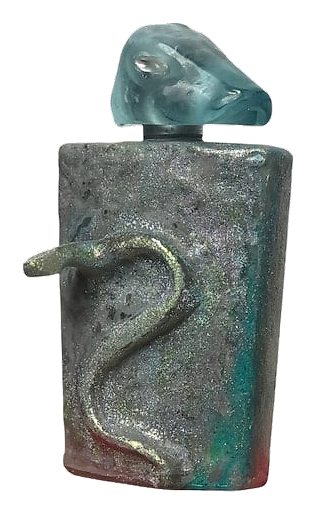
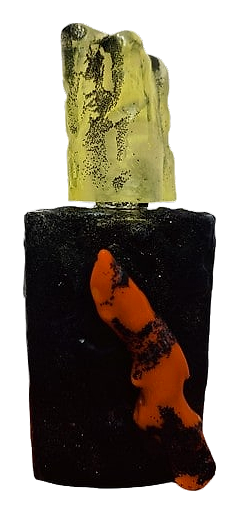
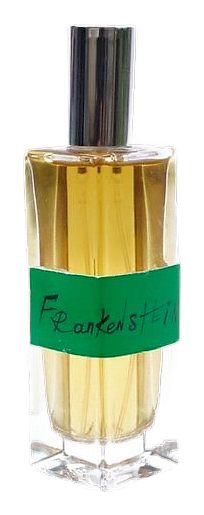
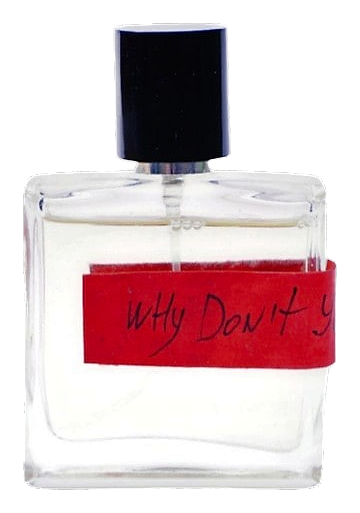
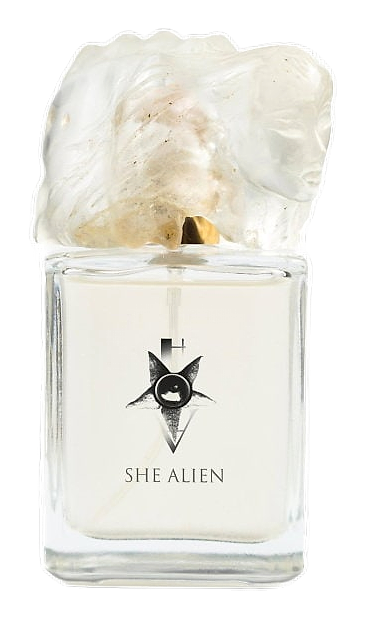
House of AtropaHouse of Atropa is an independent fragrance house founded by Elisabeth Andrék, a perfumer and glass designer of Georgian and Armenian heritage. Based in what appears to be a cross-Caucasus creative practice, the house produces perfumes and complementary jewelry pieces. The brand draws its name from the Atropa genus of plants, which includes Atropa belladonna, commonly known as deadly nightshade. House of Atropa has released over a dozen fragrances since 2021, with names that range from the literal (He Is Fish, She Is Fish) to the conversational (Why Don't You Wear a Suit, Honey I Bought a House!) to the conceptual (Tesseract, Lucid, Frankenstein). The house is associated with a nose named Lisa, and its earliest documented fragrance, Crystal Herb, appeared in 2021.
The Creator
Lisa AndrékAndrék gravitates toward linear, woody, and incense-oriented constructions that reveal their character with quiet confidence. Her compositions tend toward transparency and intentional restraint, favoring clarity over complexity.