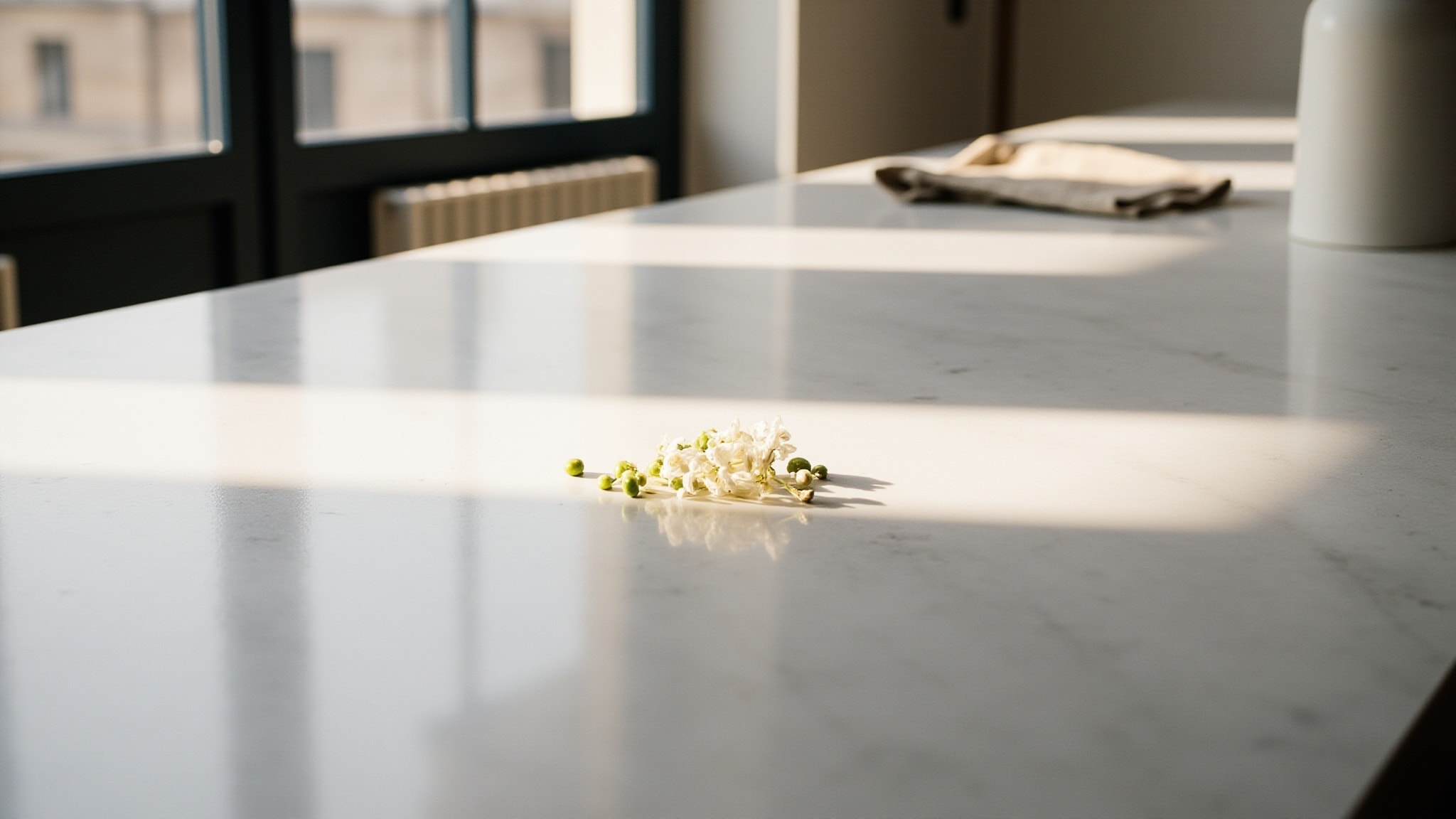
The Story
Why it exists.
The beginning
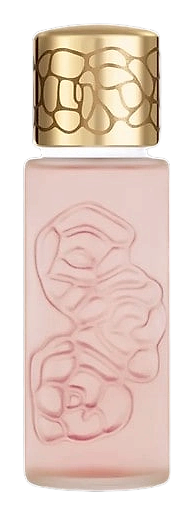
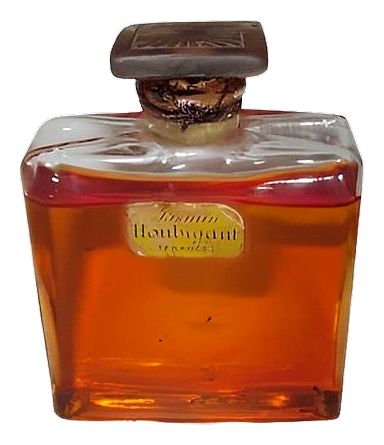
1927 was an era when perfumers still had something to prove with a single flower. Houbigant, the long-established Parisian perfume house, released Jasmin as part of its catalogue that year. The bottle design was attributed to Marie-Claude Lalique and René Lalique et Cie., placing it in the company of flacons made by the era's most celebrated glass house. Discontinued now, but a clear signal of how the old French houses approached a floral with conviction: one note, done right, let it speak for itself. The fragrance wears close to the skin, the jasmine offering a clean white sweetness that settles into something warmer and more substantial as the hours pass. There's a creaminess to it, a waxy petal quality that sits at the heart of the composition.
A soliflore is harder to build than a composition with a dozen notes. There's nothing to hide behind. Houbigant's approach here leans into jasmine's full spectrum, the bright white sweetness most people expect plus the indolic depth that makes the flower smell alive rather than decorative. The animalic accord flagged in the main accords is exactly that: the raw edge of jasmine absolute, the slightly unruly side of the bloom that doesn't get polished away. As it wears, the jasmine shifts through stages, from that initial clean lift into something rounder, almost buttery in its density.
The evolution
What arrives first is jasmine at its most deceptively clean. The top notes read almost sparkling, the way fresh jasmine smells in morning light before the heat draws out the heavier compounds underneath. As the opening settles, the indole starts surfacing, that warm undertone that makes natural jasmine smell human rather than pretty. The middle hours settle into a creamy, waxy white floral that sits close to skin. There's no base to speak of because there's nothing to change into. The jasmine simply softens and shifts, moving through its own stages rather than transforming into a different scent. The indolic thread weaves in and out, sometimes more present, sometimes retreating behind the cleaner white sweetness. What lingers is a faint trace of warm floral on whatever fabric it touched, the ghost of a single flower rather than a complex composition.
Cultural impact
Jasmin holds its place among the soliflores that perfume houses have released as confident statements of craft. Its Lalique-attributed bottle connects it to a specific moment in French perfume history, when glass and juice were considered together as objects worth collecting. Today it survives mainly as a reference point and a collector's piece, a reminder that one flower, properly rendered, was once considered enough. The fragrance offers a study in jasmine's full character, from its brighter white sweetness to the indolic depth that makes the bloom smell alive.