
The Story
Why it exists.
The beginning
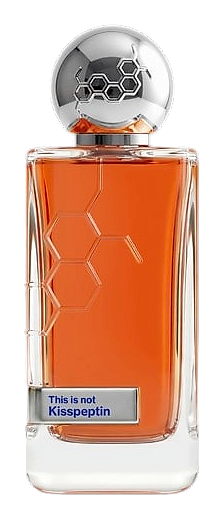
Hormone Paris built its identity on neurochemistry, naming fragrances after the compounds that move us before we realize we've moved. This is Not Kisspeptin takes its name from one of the most charged: the peptide that initiates desire before the mind forms an intention. Perfumer Shadi Samra designed the composition to work the same way. The opening arrives warm and certain. The heart doesn't ask permission. The base lingers like the end of a conversation you don't want to end.
The note structure is unusual in how deliberately it compresses the opening. Cardamom and labdanum arrive fast and recede faster, they exist to set the table, not to sit at it. The real architecture is in the heart: cypriol and oud grounded by leather. Cypriol (nagarmotha) brings a mineral, almost camphorated smoke that most perfumers use as an accent. Here it's the dominant voice. That choices makes this fragrance less about oud as a status marker and more about the smoke itself, the memory of something that burned.
The evolution
Minutes one through ten belong to cardamom. Bright, spiced, almost sharp, the kind of opening that announces presence without demanding attention. Then the labdanum shifts. Resinous, slightly sweet, it bridges the transition into the heart where cypriol, oud, and leather form a dense, smoke-threaded center. This is where the fragrance becomes itself. The smoke doesn't recede, it deepens, settling into the composition like a decision already made. On most skin types, the drydown arrives around hour three: musk, tonka bean, and vanilla in a warm, sustained close that stays intimate and lingers past the point where you'd expect it to. Eight to ten hours is the range. Close sillage, lasting presence.
Cultural impact
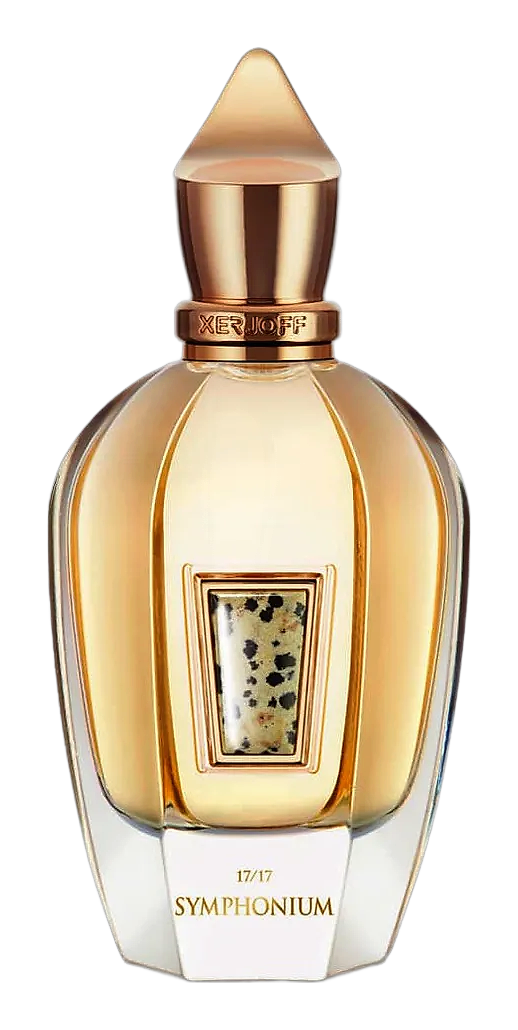
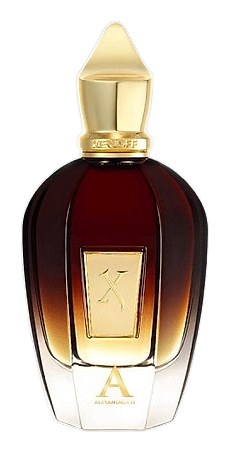
The Hormone Paris line has attracted wearers who treat fragrance as functional chemistry, not ornament, but tool. This is Not Kisspeptin sits at the more intense end of the collection, appealing to those drawn to smoke, leather, and resin. Comparisons to heavier Orientals like Xerjoff Alexandria II surface in community discussions, though Samra's composition reads slightly fresher in the opening and more restrained in the drydown. The brand's approach, naming fragrances after neurochemicals and explaining their emotional role, has carved a specific audience: the self-optimizing wearer who wants scent to do something, not just smell interesting.