




Heritage
A house, in its own words
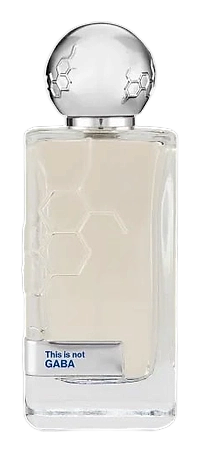
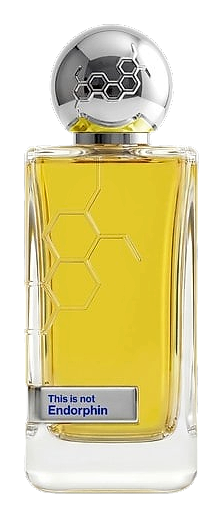
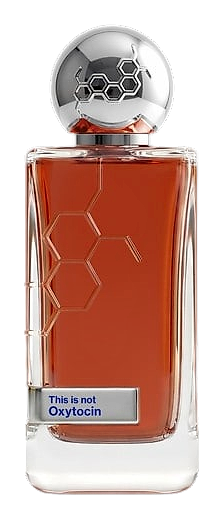
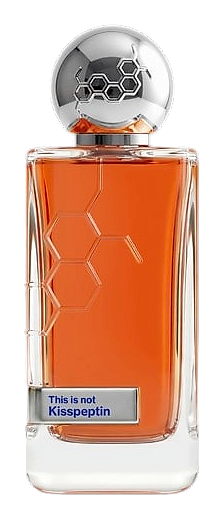
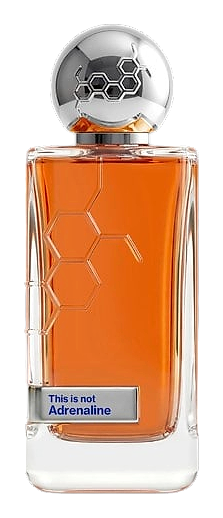
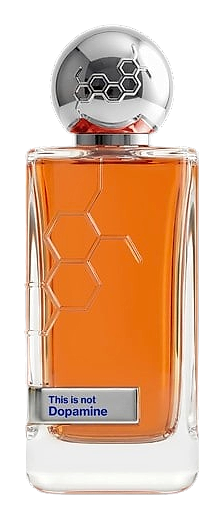
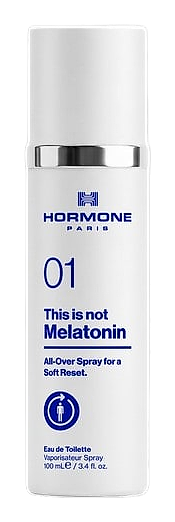
Hormone Paris emerged in the spring of 2020 when founder and perfumer Emmanuel Moglen, a former chemist turned scent artisan, decided to explore how fragrance could act as an internal signal. Drawing on the Greek word hormōn, meaning "to set in motion," the brand positioned itself at the intersection of aromachology and contemporary perfumery. Its inaugural collection arrived later that year, introducing This is Not Serotonin, This is Not Endorphin, This is Not Oxytocin, This is Not Adrenaline and This is Not Dopamine. Each launch was accompanied by a brief scientific note explaining the hormone’s role in mood regulation, a practice that quickly became a hallmark of the house. In 2022 the brand expanded its catalogue with This is Not Kisspeptin and This is Not Melatonin 05, followed by This is Not GABA in 2023. The most recent additions, This is Not Caffeine and This is Not Testosterone, debuted in 2025, confirming Hormone Paris’s commitment to a steady, research‑driven output. Over the first five years the house has maintained a boutique production model, releasing each scent in batches of no more than 2,000 units, a strategy that preserves exclusivity while allowing close monitoring of quality. Partnerships with university laboratories in Paris have provided the brand with access to the latest findings in neurochemistry, informing both formulation and marketing narratives. Though still young, Hormone Paris has been featured in niche fragrance publications, where critics note its clear conceptual focus and disciplined rollout schedule. The brand’s evolution reflects a broader trend in niche perfumery toward functional, experience‑oriented scents, yet it remains distinct through its consistent scientific framing and limited‑run philosophy. At the core of Hormone Paris lies a belief that scent can act as a subtle catalyst for emotional balance. The house treats each fragrance as a functional composition, selecting aroma chemicals that echo the physiological effects of the hormone or neurotransmitter it references. Rather than claiming miraculous outcomes, the brand presents each scent with a concise description of the associated neurochemical pathway, inviting wearers to experiment with mood‑supporting aromas in everyday life. Transparency guides the creative process; ingredient lists are published on the website, and the brand openly discusses the role of synthetics in achieving precise olfactory targets. Hormone Paris also embraces inclusivity, offering unisex formulations that avoid gendered marketing language. Sustainability informs its values as well: packaging is designed for recyclability, and the brand sources raw materials from suppliers that meet recognized environmental standards. By aligning fragrance with scientific insight, Hormone Paris seeks to demystify the perfume experience, positioning scent as a personal, adaptable tool rather than a static statement.