The Story
Why it exists.
The beginning
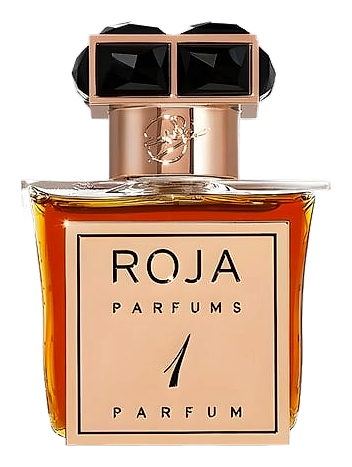
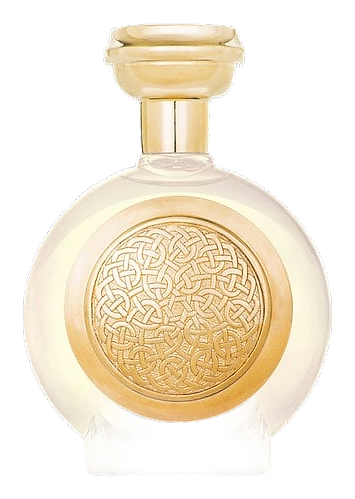
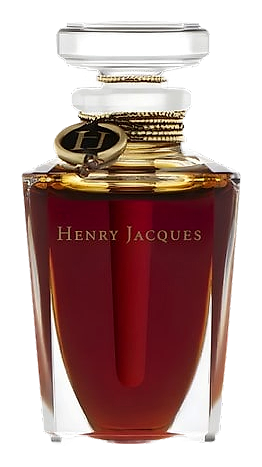
Composed as an homage to a specific gesture of Arabian hospitality, Dar Abu Dhabi carries a name that anchors the composition to a place. The brand's official description reads like an invitation: it evokes a pure and deep connection with local traditions, summoning the welcoming nostalgia of dehen el oudh, the fragrant smoke of oud resin burned as a gesture of welcome across the Gulf. The fragrance is built around that ritual, layering saffron and iris over Egyptian jasmine and oud, then grounding everything in amber, bourbon vanilla, and cedarwood. The saffron threads through the opening like a fine filament of heat, catching light before settling into something rounder. Iris arrives in its own time, powdery and cool, a counterweight to the resin's depth.
The choice of Egyptian jasmine in the heart is deliberate. Where sambac jasmine leans indolic and almost narcotic, Egyptian jasmine carries a greener, more luminous character, one that reads as freshness even under the weight of oud. Peru balsam adds a sticky, almost confectionary warmth that bridges the floral and the resinous, stopping the oud from drifting too far into smoke. The saffron in the opening is not decorative. Its leathery, slightly bitter facets give the iris a backbone, transforming what could read as a delicate powdery accord into something that grips. This is what makes the composition cohesive: nothing floats.
The evolution
The first 30 minutes belong to saffron. It announces itself with a dry, almost metallic heat, like sun-warmed metal, then iris arrives to soften the blow into something closer to suede. Around the 45-minute mark the jasmine blooms, green and slightly honeyed, threading through the saffron's embers. The oud surfaces slowly, not as a knockout punch but as a deepening of tone, resinous and faintly medicinal, wrapped in the balsamic sweetness of Peru balsam. By hour three the composition has settled into its true register: amber and bourbon vanilla warming from underneath, cedar giving the whole thing a dry, architectural finish. The oud never disappears, it just moves deeper, and by hour eight what remains is a skin-close hum of vanilla, cedar, and ghost-smoke. The next morning, on a sweater or scarf, the cedar is still there, dry and faintly sweet, like the memory of a room that was warm.
Cultural impact
Dar Abu Dhabi sits at the intersection of French haute parfumerie and Gulf hospitality rituals, a meeting point that gives the composition its particular tension and grace. The oud here is polished rather than raw, the resinous depth rendered in a register that feels considered, sculpted, almost architectural. The saffron at the top catches light the way spice catches light in a souk at golden hour: bright, dry, almost edible. The Egyptian jasmine softens the resin's edges, offering a floral breath between the heavier base notes.