The Story
Why it exists.
The beginning
Vincent Ricord built Nirvanesque around a single idea: pleasure without apology. The name borrows from the Sanskrit concept of liberation, but the composition is firmly rooted in the tangible, warm resins, dark sweetness, and the kind of gourmand richness that makes people lean closer. The brief appears to have been simple: everything warm, nothing thin. Davana leads with its wine-berry character, myrrh brings depth and a faint herbal cut, rum adds boozy sweetness that never sharpens. Labdanum keeps the top layer grounded in resin rather than fruit. The result is a fragrance that announces itself confidently and stays.
The structure separates Nirvanesque from standard oriental compositions. Cashmeran is the invisible architecture, it wraps the sweetness in a soft, cozy accord that keeps vanilla and benzoin from reading as frosting. Without it, this would be a dessert. With it, the warmth feels worn rather than applied. The leather in the heart is deliberately restrained, present as shadow rather than swagger, adding darkness without dominance. Frankincense threads through the middle, present but never ecclesiastical. The oud in the base is real but subtle, more smoky suggestion than statement. What lingers is the tonka-vanilla-benzoin triad: sweet, balsamic, warm on skin for hours after the opening settles.
The evolution
The opening arrives immediately. Rum and davana hit first, boozy, wine-dark, a little wild. Myrrh follows within seconds, sticky and resinous with an herbal undertone. Labdanum adds a dry, cistus-like edge that prevents the whole thing from going syrupy. The top layer reads warm-spicy for the first thirty minutes before the davana begins to soften. By the midpoint, leather has entered the conversation. Not aggressive leather, this is tame leather, even for people who claim to hate leather notes. It adds shadow without taking over. Cashmeran becomes the dominant impression: soft, powdery, cashmere-adjacent. The frankincense surfaces and retreats, never quite committing to the foreground. Two hours in, the vanilla arrives. It doesn't wait politely, it announces itself, sweet and creamy, pushing the davana and myrrh toward the edges. The benzoin follows, adding a balsamic warmth that lingers. The oud, present in the base structure, occasionally resurfaces around hour six, a brief smoky reminder beneath all the sweetness.
Cultural impact
Nirvanesque occupies a specific position within the warm-oriental space: sweeter and softer than some oud-forward compositions, but with more depth than straightforward vanilla fragrances. The cashmeran-forward drydown has become its signature, wearers consistently reference how it feels worn rather than applied. The davana opening is the fragrance's dividing line: those who connect with its wine-berry warmth find the rest of the composition deeply satisfying; others find the top layer too assertive for their preferences. Part of HFC's Oud Collection, Nirvanesque fits within the house's approach of building compositions around conceptual anchors rather than trend-following.
The House
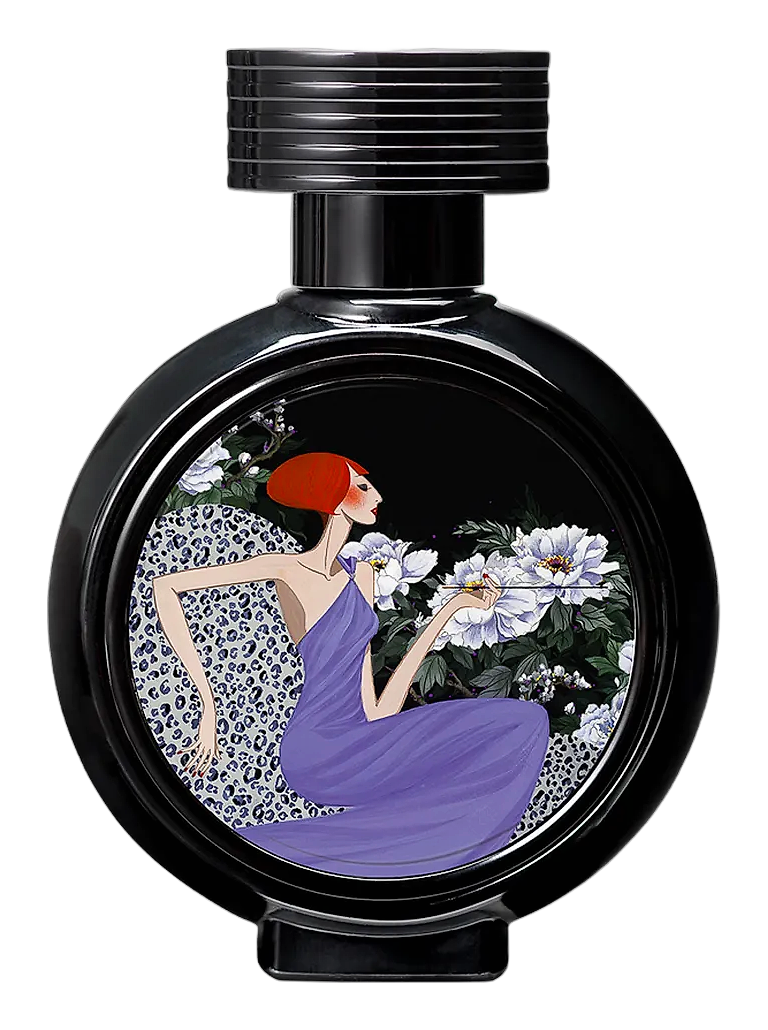
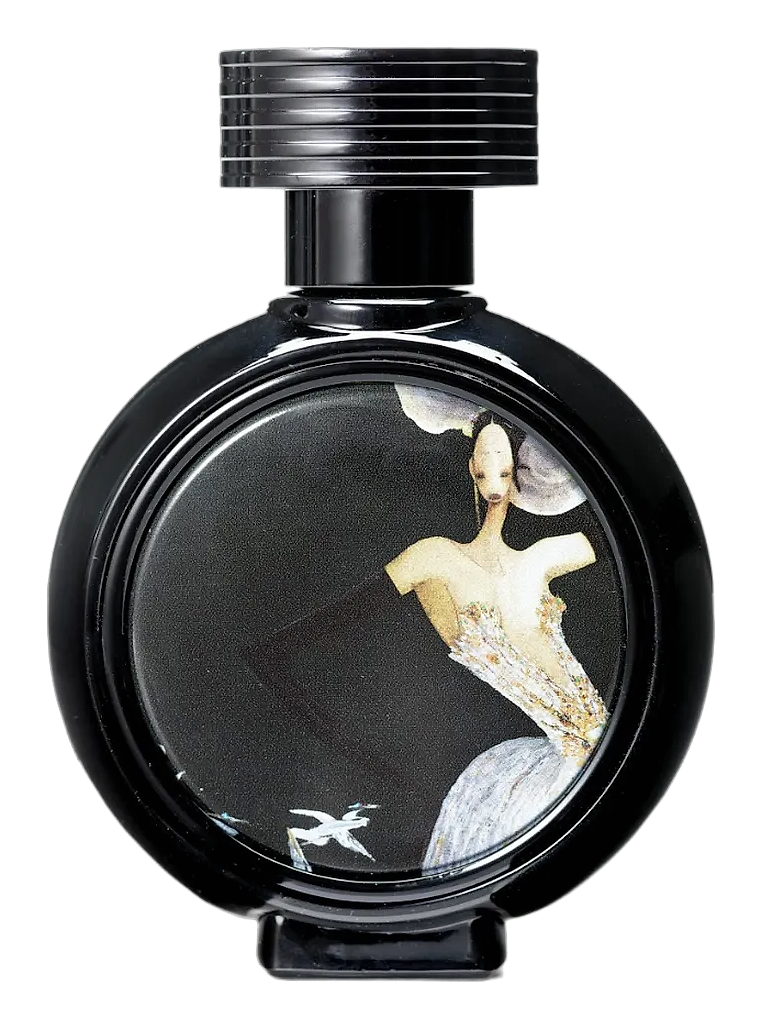
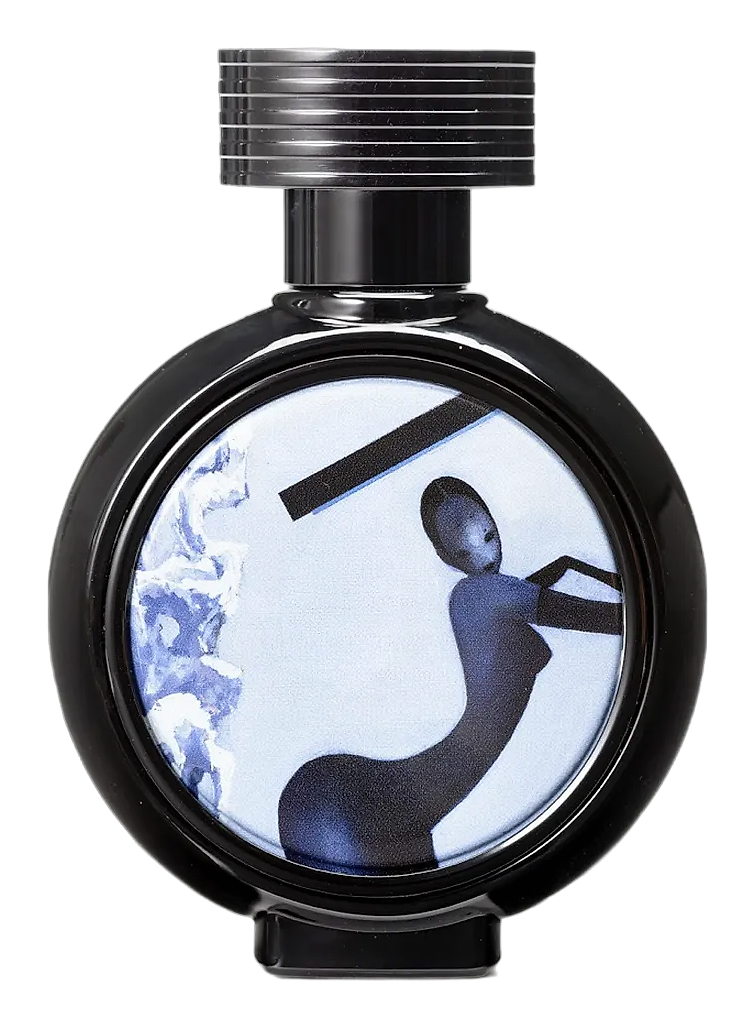
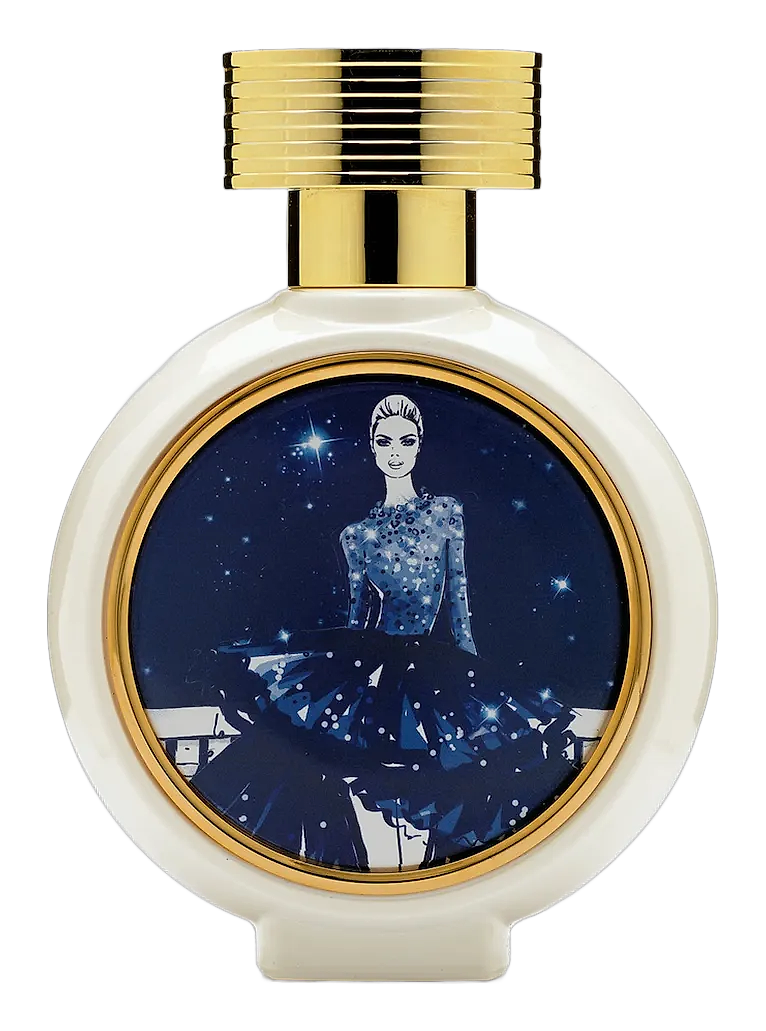
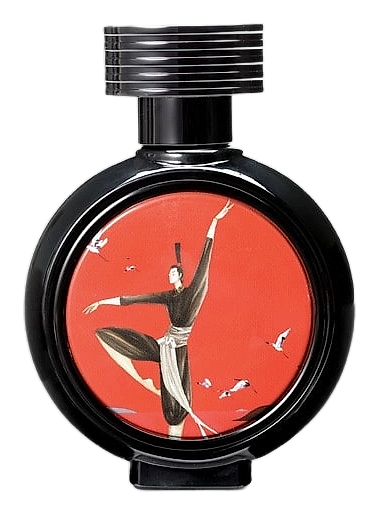
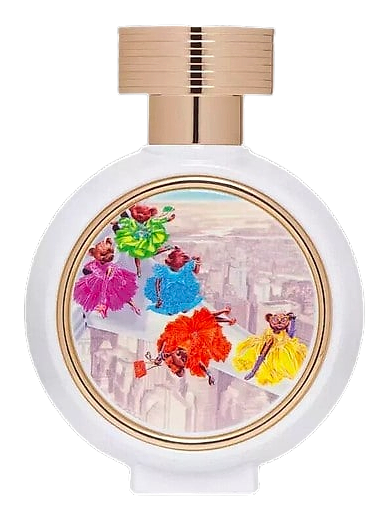
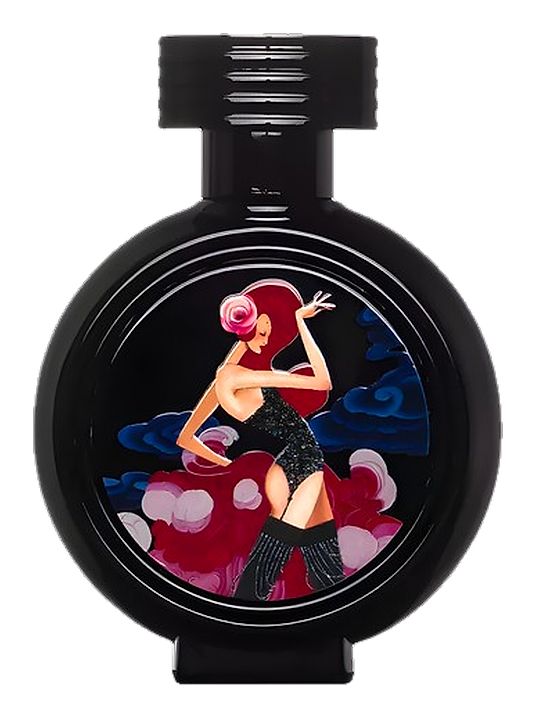
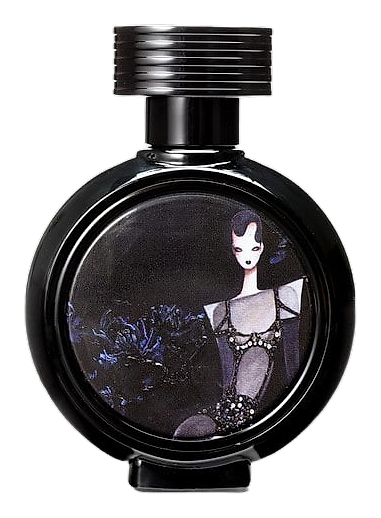
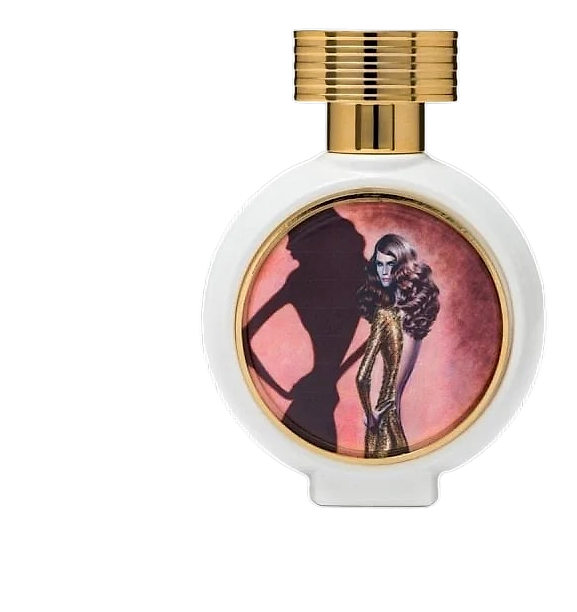
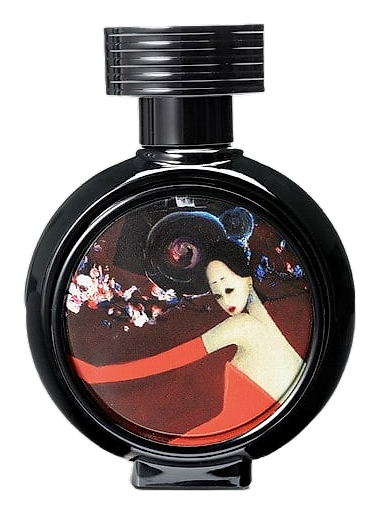
Haute Fragrance Company HFCThe Haute Fragrance Company (HFC) is a Paris-based fragrance house founded in 2017. The company operates as a creative collective, bringing together perfumers and fashion illustrators to develop scents that bridge the worlds of couture and perfumery. HFC positions itself as an alternative to conventional fragrance production, treating each composition as a wearable artwork rather than a commercial product. The house releases fragrances in numbered collections, with compositions spanning from 2017 through 2024. Notable releases include Or Noir and Black Orris (both 2017), Indian Venus and Devil's Intrigue (both 2018), Diamond in the Sky (2019), Wrap Me in Dreams (2020), Private Code and Nirvanesque (both 2022), and SunMusk (2024). The brand maintains a boutique in Saint-Tropez and operates its creative operations from Paris, with European logistics based in Riga, Latvia.
The Creator
Vincent RicordRicord crafts at the intersection of tradition and modernity, balancing classical technique with contemporary sensibility. His work for houses including D'Orsay, Sisley Paris, Lalique, Miller et Bertaux, Welton London, and Haute Fragrance Company demonstrates range across styles.