The Story
Why it exists.
The beginning
Red Flag was conceived as an object of desire that makes you lean in before you understand why. Marine Mercé built the fragrance around an unexpected protagonist: beetroot, a material rarely used in perfumery. The idea was to anchor something wild and almost vegetable in the warmth of cardamom and ginger, so the earthiness never feels like a gimmick. Instead it becomes something you want to lean into. The 2026 launch arrived with a name that does exactly what the scent does: flags something worth noticing.
Beetroot functions as the fragrance's grounding layer, not the vegetable in a salad, but something earthier and almost mineral. It creates an unexpected opening that feels alive rather than composed. Paired with ginger's clean heat and cardamom's aromatic warmth, the top sits bright and grounded at the same time. In the heart, iris and incense create a powdery-smoky tension, the kind of contrast that shouldn't work but does, because both materials are measured and purposeful. What makes Red Flag distinctive is how the base handles the transition: smoky Palo Santo and sweet tonka bean should compete, but instead they pull in the same direction, warmth without sweetness, smoke without aggression.
The evolution
The opening hits bright and almost vegetable, beetroot's earthiness arrives with ginger's clean heat and cardamom's warmth. There's a sharpness to the top that feels intentional, like the opening bars of a song you've been waiting to hear. As the first hour passes, the iris arrives quietly, wrapping the incense in something powdery and almost violet. The incense doesn't disappear, it softens, becoming the warmth of a room rather than the smoke of a fire. By the third and fourth hours, the drydown takes over. Palo Santo dominates the base, smoky and clean at the same time. Patchouli brings earthiness. Vetiver keeps everything dry and slightly bitter. Tonka bean adds a whisper of sweetness to the smoke. The drydown is intimate, close to the skin, the kind of presence you notice when someone walks past you rather than when they enter a room. On most skin, it holds through the afternoon and into the evening. The next morning, there's still a trace of smoke and tonka on fabric, a quiet signature that lingers past the moment.
Cultural impact
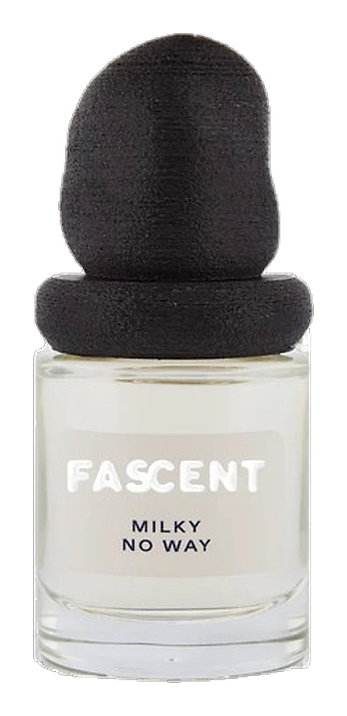
Fascent has built a following for fragrances that reward curiosity over convention. Red Flag sits in that lineage, a scent that works because it doesn't announce itself. The beetroot opening is the kind of detail that makes someone stop, lean closer, and ask what they're smelling. That moment of discovery is the brand's broader argument: scent as a language worth paying attention to.