The Story
Why it exists.
The beginning
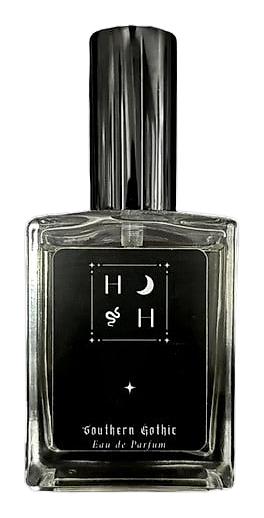
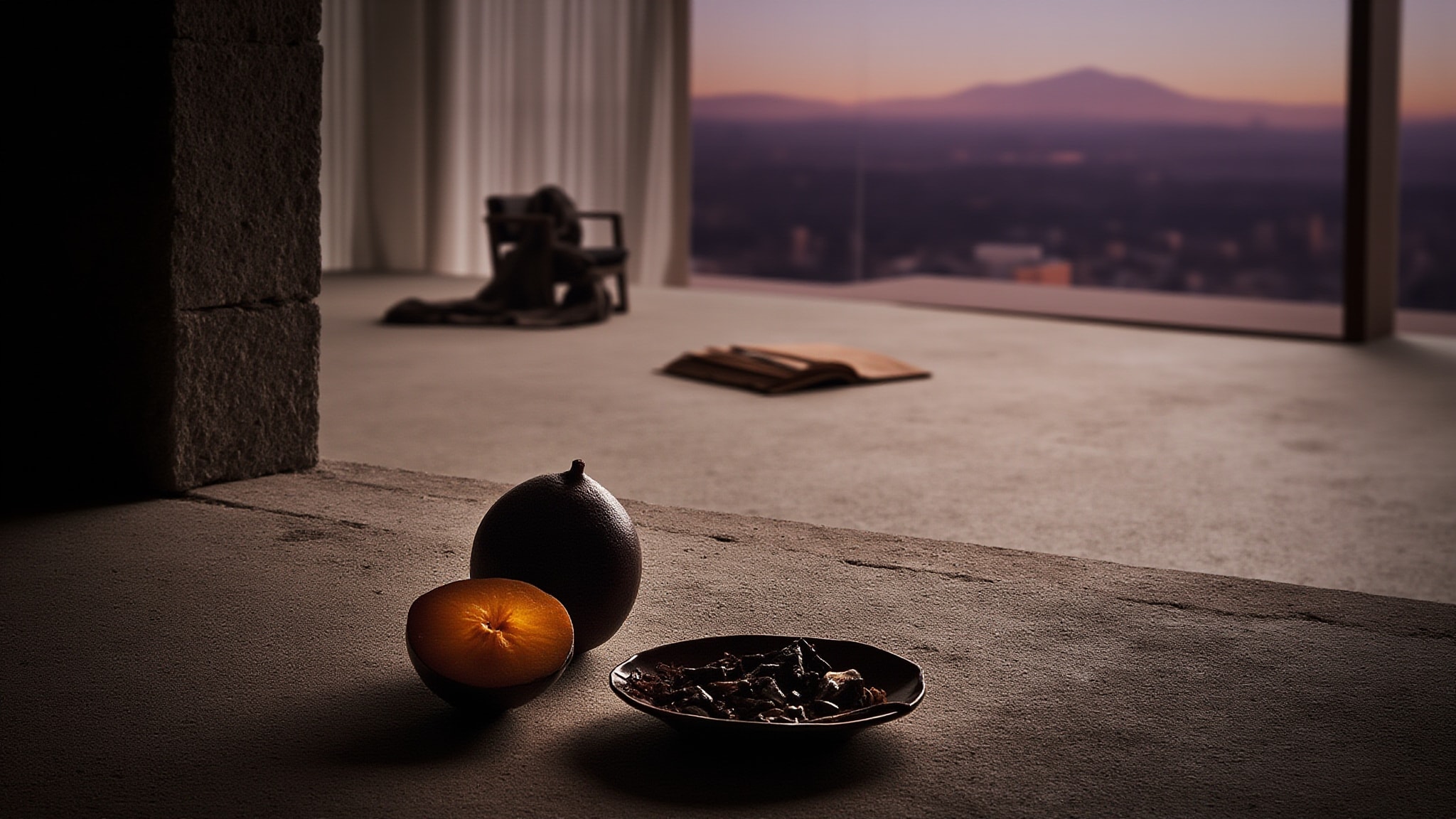
The southern gothic genre has always lived in the space between beauty and decay. Haus of Hecate drew from that specific American darkness: the weight of humid air, the stillness of abandoned places, the kind of darkness that feels familiar without being safe. This fragrance is an olfactory translation of that atmosphere, not literal, but faithful. It reaches for the feeling of a genre that finds the sacred in the profane and the strange in the familiar. The composition moves through layers of shadow and warmth, each note chosen to evoke the particular melancholy that defines this literary and artistic tradition. It's a scent that understands decay doesn't mean destruction, sometimes it means depth.
What makes Southern Gothic distinctive is its complexity. The plum doesn't arrive as a friendly fruit note, it's dark and dense. The ginger that follows isn't ornamental spice; it's a sharp brightness that cuts through the heaviness. The heart is where the incense breathes alongside the vanilla sugar and honey rather than drowning in them. The tobacco and patchouli base doesn't merely support, it insists. This is a structure built on tension: warmth that doesn't coddle, darkness that doesn't perform.
The evolution
The opening hits with the plum, dense, immediately distinctive. Ginger arrives quickly, bright and sharp against the fruit. The handoff to the heart brings the incense announcing itself: resinous, slightly smoky, present and unapologetic. Vanilla sugar and honey arrive next, but they don't overwhelm. Honey reads first, thick, before the vanilla softens everything into a warmth that lingers. The base takes over and tobacco leaf asserts itself: something rawer than typical sweet interpretations, with patchouli adding earth and amber that keeps the whole thing from going too heavy. The warmth persists for hours, the different elements weaving together as the fragrance develops and settles into its final form.
Cultural impact
Southern Gothic occupies a specific corner of indie perfumery, a fragrance for someone drawn to atmosphere over convention, to mood over marketing. The southern gothic genre speaks to a particular kind of American darkness that persists in the collective imagination. This fragrance is part of that conversation, offering an olfactory language for a mood that mainstream perfumery largely ignores. It speaks to those who find beauty in shadows and meaning in the spaces between light and dark.