
The Story
Why it exists.
The beginning
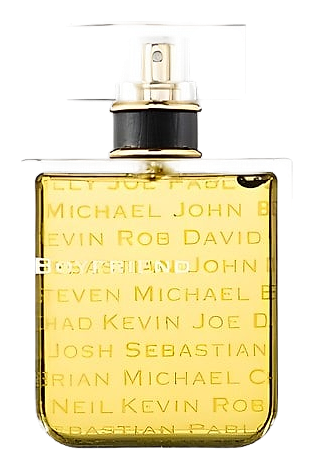
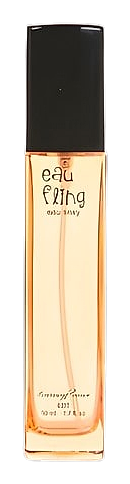
Eau Fling is a fragrance that makes its case through understatement. Harvey Prince built this scent on the idea of creating something a mother would actually want to wear, something unpretentious and genuine. The concept behind the name combines lightness with spontaneity, suggesting something worn without commitment or expectation. Not a signature scent meant to define a person, but something grabbed on the way out the door that becomes immediately beloved. The brand positioned this fragrance as something meant to live beside the wearer rather than announce itself to everyone in the room.
The note structure creates a deliberate contrast between tart, glistening fruit and warm spice that adds depth without heaviness. Lavender in the top notes keeps the fruity opening from becoming overly sweet, providing a cool counterpoint that maintains interest. Nutmeg and cinnamon in the heart push against what might otherwise be a straightforward fruity-floral trajectory, introducing complexity that rewards closer attention. The base stays close and quiet against the skin.
The evolution
The opening arrives bright and immediate. Blackcurrant, plum, and raspberry tumble together in a tart, glistening stack of fruit notes. Lavender sits underneath, keeping everything cool enough to stay interesting and preventing the fruit from becoming saccharine. As time passes, the hand-off occurs. Nutmeg and jasmine arrive as a pair, with the spice softened by something unexpectedly intimate and warm. Cinnamon joins as the third voice, pushing the composition toward something less predictable and more complex. By the drydown, musk and woodsy notes settle close to the skin, creating a quiet warmth that lingers without demanding attention.
Cultural impact
Eau Fling offers a different approach to fragrance composition. The approachable fruit and spice balanced against enough complexity to reward attention creates something distinctive. This quality appeals to those who prefer fragrance to remain subtle, noticed by people in close proximity rather than announced across a room. The composition itself makes the case for restraint as a feature rather than a limitation. Not a flaw. The actual point.