The Story
Why it exists.
The beginning
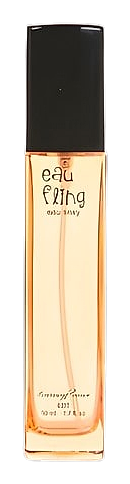
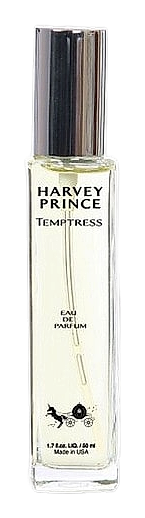
The name says everything. Temptress, formerly Eau Flirt, was built around a premise no other fragrance house had quite put into practice: that certain notes, specifically pumpkin pie and lavender, trigger measurable physiological responses in the people around you. The concept came from research by doctors Alan Hirsh and Jason Gruss into smell and taste, and Harvey Prince built an entire fragrance around translating that science into something you could wear. Where most perfumes promise to smell good, Temptress promises to do something about it. The 2009 launch placed it squarely in an era of maximalist florals and heavy sillage, this was a different argument entirely: lighter, closer, and more purposeful. Made in the USA with essences from Italy, France, and the USA, the composition chose restraint over spectacle as its seduction strategy.
What makes Temptress unusual isn't any single note, it's the combination. Pumpkin pie as a fragrance note reads as gourmand until you smell it in context: here it's less dessert, more the warmth of a kitchen at golden hour, threaded with nutmeg and cinnamon in a way that suggests rather than indulges. Lavender anchors the whole thing with an herbal coolness that keeps the sweetness honest. The heart, jasmine, freesia, ylang-ylang, is classically floral but unapologetically feminine, and the base of amber ties the structure together without letting it drift into powder.
The evolution
The opening is all citrus and lavender, crisp, bright, immediate. It announces itself without arguing. Within minutes the pumpkin pie note arrives, softening the edges, turning the composition from sharp to warm. This is where Temptress earns its name. The heart phase introduces jasmine and freesia in a white floral swell that feels almost contradictory, the florals push while the gourmand notes pull. For the next few hours the composition sits close to the skin, moderate sillage doing exactly what the brand intended: keeping the fragrance intimate. Cinnamon and nutmeg arrive in the drydown alongside amber, shifting the character from warm to slightly spicy. The amber doesn't fade cleanly, it lingers as a skin-warm undertone that stays noticeable for most of the day on well-moisturized skin.
Cultural impact
Temptress carved out a niche in the late-2000s fragrance market by rejecting the loud, sillage-obsessed conventions of that era. Where competitors leaned into projection and longevity theater, Harvey Prince bet on intimacy, and the science to back it up. The pumpkin pie and lavender combination, grounded in neurological research, positioned Temptress as a fragrance with purpose beyond aesthetics. It's the kind of fragrance that doesn't announce itself at a party but gets remembered on the train home.