
The Story
Why it exists.
The beginning
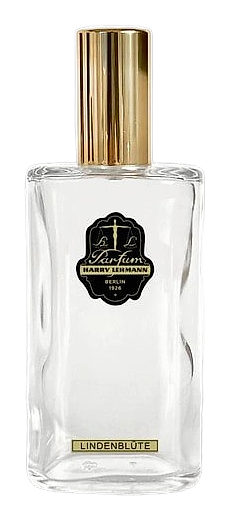
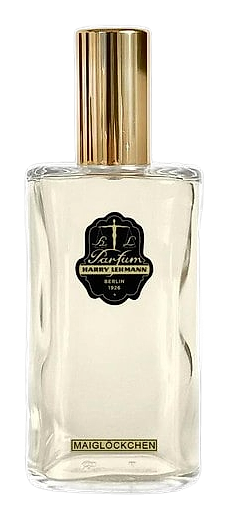
Maiglöckchen takes its name from the German word for lily of the valley, the small white flower that fills the air with sweetness during May and June. Harry Lehmann built the fragrance around that fleeting seasonal impression, seeking the flower’s pure elegance and unmistakable charm without leaving it embalmed behind glass. Its brief reads airy and floral, led by lily of the valley, then widened with magnolia, freesia, mimosa, bergamot, and geranium. Amber and musk give the delicate composition a soft landing. The result is less a botanical study than a modern memory of spring: fresh first, gently green, and clean at the edges.
The interesting choice is restraint. Lily of the valley is usually the whole headline, but Maiglöckhen builds it into a wider garden palette. Magnolia and mimosa bring creamy floral texture, while freesia keeps the mood airy. Bergamot adds citrus brightness, and geranium introduces a clean herbal-green edge that stops the white flowers from becoming overly sugary. Amber and musk quietly anchor the result, giving the floral air enough warmth to feel polished rather than ephemeral.
The evolution
On skin, Maiglöckhen begins as a quick lift of citrus and green florals, bright and almost sheer. Lily of the valley leads, but it does not travel alone. Magnolia, mimosa, freesia, and geranium fill the middle with pale petals, powdery softness, and a clean herbal edge. As the opening citrus recedes, the composition settles into a gentler floral musk. Amber adds a warm shadow underneath the white flowers, giving the drydown a subtle skin-like depth. The final impression is soft, fresh, and lightly sweet rather than room-filling, with moderate sillage and enough longevity to remain present through much of an 8-10 hour wear.
Cultural impact
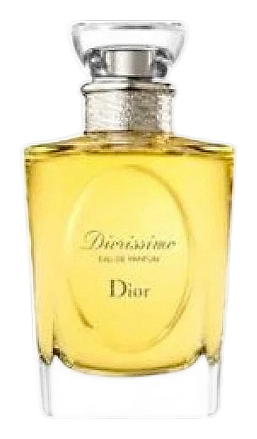
Maiglöckhen sits in the tradition of refined European floral perfume, where the central pleasure is a carefully shaped white-flower impression rather than a display of ingredients. Its clearest reference is Diorissimo, which is identified by the source as a similar fragrance. The comparison makes the perfume easy to place: lily of the valley is the shared idea, while Maiglöckhen carries a more compact, classic floral register.