
The Story
Why it exists.
The beginning
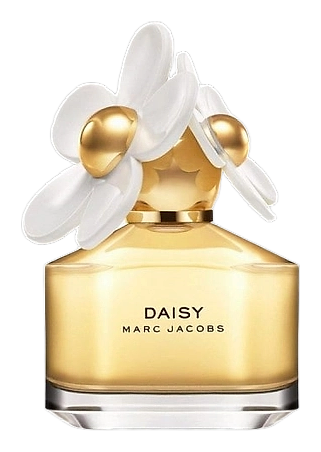
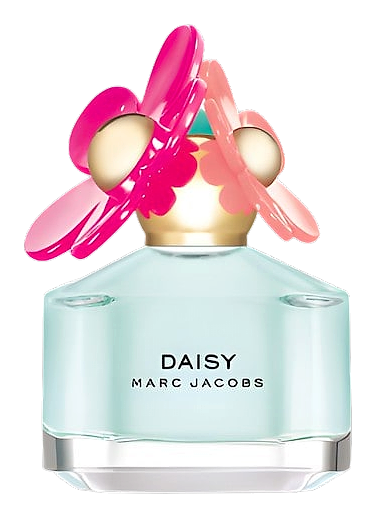
Daisy Delight arrived in 2014 as a limited edition, a more vibrant chapter in the Daisy story that began in 2007. Perfumer Frank Voelkl of Firmenich built it around the idea of turning up the brightness while keeping the softness that made the original beloved. The bottle stayed recognizable, oversized daisy cap, clean lines, but the pale green juice inside signaled something different. A refresh, not a reinvention. That restraint is the point.
The structure here is a study in contrast without conflict. Apple and quince blossom open crisp and juicy, cutting through the floral heart without fighting it. Gardenia and peony are lush together, but the quince and iris keep them from going heavy. Then sandalwood and cedar arrive in the base, not bold woods, just enough warmth to keep the drydown from disappearing entirely. Frank Voelkl designed this as a progression: fruit brightens, florals bloom, woods settle. Each phase earns its moment.
The evolution
The opening hits with crisp apple and quince blossom, bright, immediately appealing. Freesia threads through to keep it from going too sweet. Within the first hour, gardenia and peony take over as the dominant force. The fruit softens. The floral heart expands into something creamier, with iris adding a powdery violet undertone that prevents it from feeling too lush. The drydown is where this fragrance earns its reputation for softness. Sandalwood and cedar arrive quietly, Musk amplifies the powdery effect. The sillage stays moderate throughout, it announces itself in the opening, then settles into something intimate and close. On most skin, you're looking at 3-4 hours before the drydown fades entirely. Not a beast. But the woody base lingers close enough that you catch traces of it hours later, especially on fabric.
Cultural impact
Daisy Delight found its audience among those who wanted something softer than the original Daisy without abandoning the signature. It works as a daily fragrance rather than a statement scent. The limited-edition status gave it collector appeal, though it never reached the iconic status of its predecessor.