
The Story
Why it exists.
The beginning
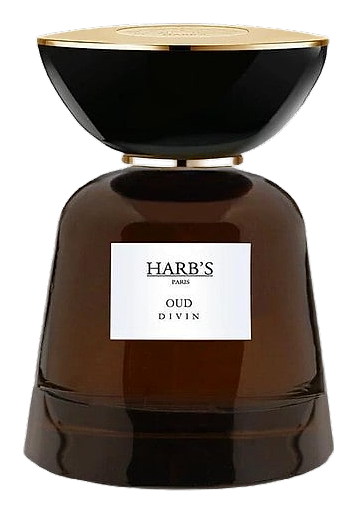
Oud Divin arrived in 2025, part of Harb's growing catalogue. The name translates simply: divine oud. But the composition doesn't lean on oud the way most fragrances bearing that word do. Instead, it builds something woody and resinous through gurjan balsam, guaiac wood, patchouli, and myrrh, with a whisper of lemon at the top to keep things honest. The result is a scent that reads as thoughtful composition, quiet but deliberate in how each note shows up and settles. There's a dryness to the wood that keeps it from feeling heavy, and the myrrh adds a faintly sweet, almost medicinal warmth that anchors the base. The lemon up top is a small grace note, the kind of opening that sets a tone without demanding attention.
Gurjan balsam does the heavy structural work here, and most wearers won't recognize its name. It's a resinous material that perfumers value for its depth, and here it lends a warm, slightly sweet undertone to the base. Pairing it with guaiac wood and labdanum creates a dry, warm character that reads as woody and grounded, a foundation that feels more like polished timber than burning incense. The cardamom adds a green spiced lift in the heart that keeps the composition from going too dark, threading a gentle brightness through the resinous density.
The evolution
The opening minutes belong to lemon, brief and bright, almost like someone opened a window before the real scent begins. As it fades, cardamom rises first, followed quickly by patchouli and the deeper balsamic weight of gurjan balsam and myrrh. The heart phase is where this fragrance earns its name, smoky and warm with a slow-building resinous depth that takes time to fully arrive. There's a charred quality, like wood that's been burning a long time, but it never tips into harshness. Labdanum and guaiac wood take over as the composition matures, and the scent turns drier and more meditative, the patchouli receding into a soft earthy hum beneath the wood. Vanilla surfaces in the final stretch, quiet and sweet against the wood, never dominant, more of a whisper than a statement. It stays close to skin through the end, intimate rather than loud, the kind of scent you lean in to catch.
Cultural impact
Oud Divin arrives without the bombast that often defines fragrances built around resinous materials. The composition stays close and contemplative, built more for the wearer than the room. It reads as the choice of someone who already knows what they want from a scent, with each note doing deliberate work rather than competing for attention. In Harb's catalogue, it occupies a quieter register, more inward-looking than declarative, more about texture and warmth than about statement. The way the woods and balsams interact gives it a meditative quality, the kind of scent that rewards revisiting rather than a single impression.