The Story
Why it exists.
The beginning
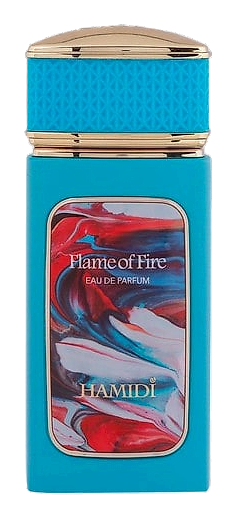
Flame of Fire arrived in 2026 from Hamidi. The name suggests combustion, but the composition tells a different story. It's less about burning and more about heat that builds, the kind that turns skin warm and surfaces golden. The fragrance reads as a study in warmth itself: how a sweet composition can glow rather than scorch, how fruit and amber can sit together and create something that feels lit from within. There's a tropical pulse underneath the resinous undertone, a juiciness that keeps the warmth from feeling closed off. It's a 2026 release that doesn't pretend to be something older, nor does it chase trends. The fire here is slow, sweet, and a little tropical.
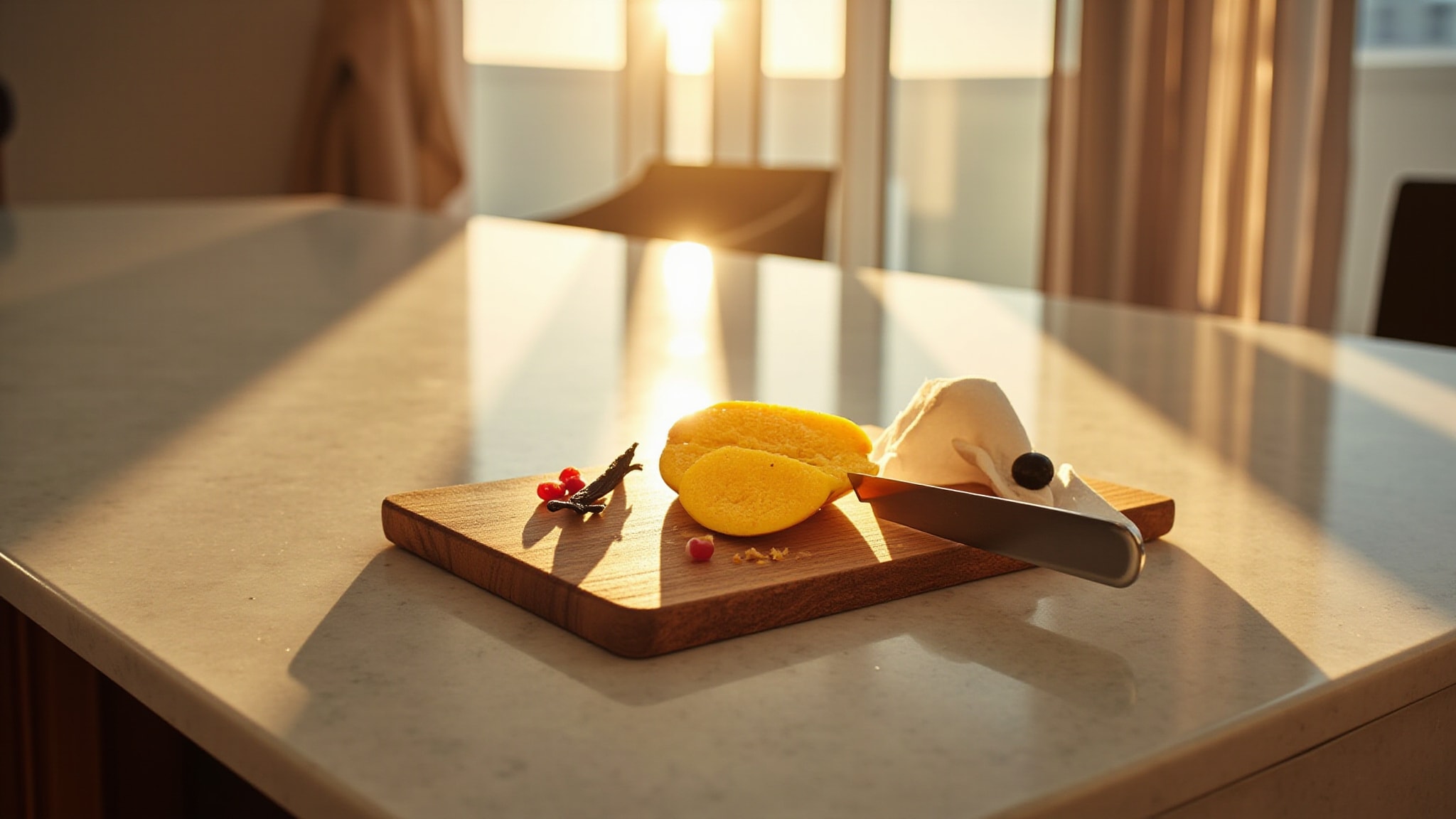
The note structure makes an unusual bet. Mango and vanilla appear right in the top notes, which means the sweetness announces itself immediately rather than hiding behind citrus or spice. Vanilla is already there from the first contact, warm and obvious, mingling with the juiciness of ripe mango and the slight snap of ginger underneath. Lemon cuts just enough to keep the fruit from going syrupy, adding a clean edge to what could otherwise read as one-dimensional sweetness.
The evolution
The opening hits fast and sweet. Mango and red berries come in loud, with ginger giving it a clean snap underneath and lemon cutting just enough to keep the fruit from going syrupy. Vanilla is already there, warm and obvious. That first 20 minutes feels almost like a tropical drink, bright, sweet, a little loud. The ginger adds a slight zing that prickles at the back of the nose, while the berries bring a jammy richness alongside the sharper mango. Then jasmine and vanilla orchid start to surface around the 30-minute mark, and the cedar gives the whole thing a soft woody frame. The jasmine here reads more creamy than indolic, a floral smoothness that bridges the fruit into the warmer territory ahead. The fruit fades but the sweetness stays.
Cultural impact
Flame of Fire sits at an interesting crossroads in contemporary fragrance. Its fruit-forward sweetness and warm base represent a specific register, tropical and gourmand-leaning without abandoning the ambery depth that runs through many compositions in this space. The early community reception skews warm-season: spring, summer, and early fall wear. The mango and vanilla combination gives it a recognizable sweetness that doesn't try to hide behind spice or smoke, while the amber and ozonic base keep it from reading as purely gourmand.