
The Story
Why it exists.
The beginning
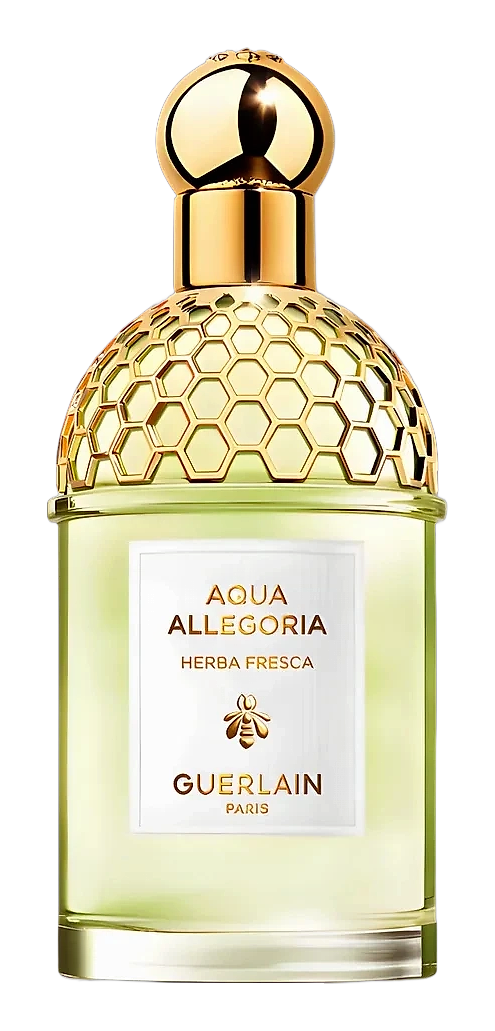
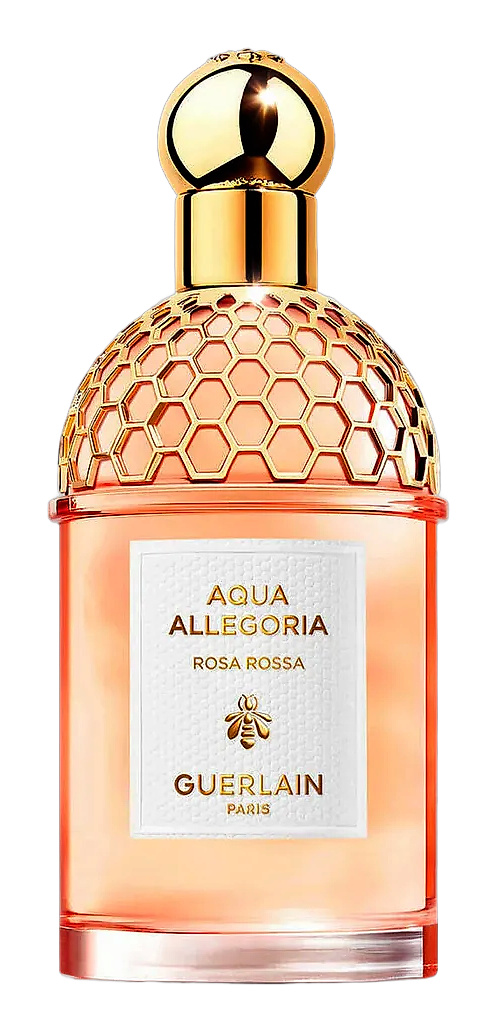
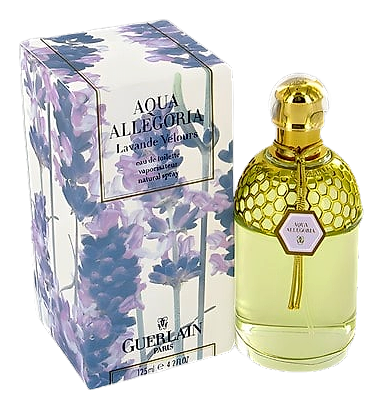
Lavande Velours arrived in 1999 from the Guerlain house, created by Mathilde Laurent and Jean-Paul Guerlain as part of the Aqua Allegoria collection. The line was positioned as a series of skin fragrances, simple, natural compositions designed to evoke wandering through a garden, with the main note determining the character of each scent. Lavande Velours stayed true to that spirit by centering almost entirely on a single material: lavender, with only the gentlest modulation from violet, iris, and vanilla.
The perfumers made a deliberate choice here. Where most fragrances pile on layers to create complexity, Laurent and Guerlain stripped it back, letting one dominant material show its full range. The result is a lavender that manages to feel both cool and warm, powdery violet and iris soften the sharper edges, while sandalwood and vanilla create a warm, close drydown. This is restraint as a statement, not a limitation.
The evolution
The lavender opens clean and immediate, almost medicinal in its herbal-camphoraceous brightness. Violet arrives quickly, powdering down the edges into something softer, cooler, and more floral. Iris adds a quiet elegance, slightly rooty and sophisticated. Sandalwood and vanilla settle underneath, adding warmth and creaminess that extends through the end of the day. The arc is cool to warm to tender, the violet powders the lavender down, the vanilla keeps it close. Five ingredients. Each one doing exactly what it needs to do.
Cultural impact
Lavender has been central to perfumery since the 17th century, when it transitioned from medicinal herb to luxury fragrance ingredient. The plant originated in the Mediterranean and took on cultural significance across French and English traditions. Lavender cultivation in Provence became synonymous with artisanal perfumery, while English growers in Hertfordshire developed prized varieties. The smell of lavender invokes cleanliness and refinement across generations of Europeans. In the 20th century, Guerlain's Aqua Allegoria line brought a modern, aquatic interpretation to lavender, situating it within a broader tradition of accessible luxury fragrances. This particular expression channels the soothing, garden-like character of lavender into a fresh, breezy context.
The House
GuerlainGuerlain stands as one of the oldest and most revered perfume houses in the world, founded in Paris in 1828 by Pierre-François-Pascal Guerlain. What began as a boutique on rue de Rivoli quickly became the preferred destination for Parisian society, attracting dandies and elegant women who sought custom-crafted fragrances. The house's influence grew to such heights that Guerlain earned the title of Official Perfumer to Napoleon III after presenting Eau de Cologne Impériale to Empress Eugénie as a wedding gift in 1853. This royal patronage marked the beginning of Guerlain's enduring association with European aristocracy, as the house went on to create fragrances for Queen Victoria and Queen Isabella II of Spain. Today, under the creative direction of Thierry Wasser, the fifth-generation perfumer, Guerlain continues to shape the landscape of fine fragrance with a portfolio spanning over 1,100 olfactory creations. The house remains headquartered at its legendary Champs-Élysées mansion, a historic monument that anchors Guerlain's position at the intersection of heritage and contemporary luxury.
The Creator
Mathilde Laurent & Jean-Paul GuerlainMathilde favors a restrained palette that highlights natural essences. She often begins with a clear mineral or green base, then layers luminous florals such as jasmine or orange blossom.