The Story
Why it exists.
The beginning
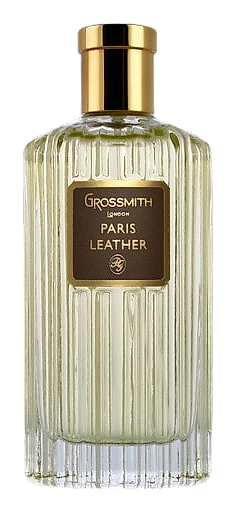
Grossmith released Paris Leather in 2016, working with perfumer Jean-Charles Mignon on a fragrance that asked a specific question: what happens when leather stops trying to dominate? The name points to Paris, but the house is British, founded in 1835, and that restraint shows. Mignon built the composition in three clear acts. The opening is all brightness: mandarin, juniper, coriander giving the top a certain crispness. The heart is leather and jasmine together, which is unusual. The base settles into sandalwood, amber, and musk. It is structured. It has a point of view.
What makes this composition interesting is the jasmine. It does not sit on top of the leather like a garnish. It threads through it, keeping the animalic notes from reading as harsh and giving the white floral element room to breathe. The sandalwood in the base is what remains longest, warm, creamy, close to skin rather than filling a room. This is not a fragrance that announces itself from across a bar. It rewards proximity.
The evolution
The opening hits quickly: mandarin orange with juniper, a bright almost-bitter quality from the coriander. For the first twenty minutes, this reads as aromatic and green, not sweet. Then the leather arrives, not the harsh synthetic kind, but something that suggests worn leather goods, softened by handling. The jasmine follows within the hour, creamy and indolic, and these two notes hold the center stage for roughly two hours. As the sandalwood rises in the base, everything slows down. The citrus is long gone. The leather softens further. The drydown is sandalwood and amber, with musk holding everything close to skin. The final hours are intimate, 4-6 hours of warm, animalic, close-wearing finish. On clothing, the sandalwood lingers into the next day.
Cultural impact
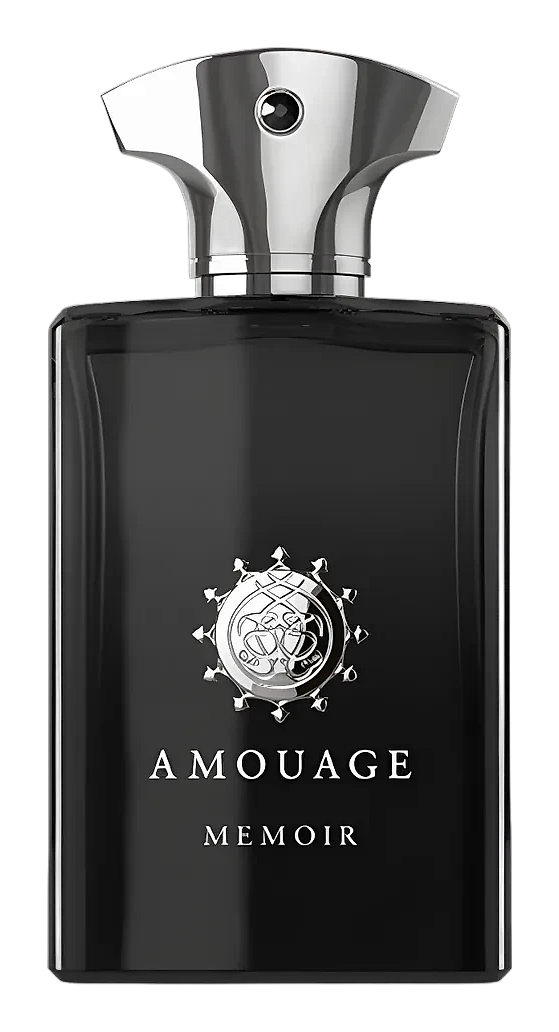
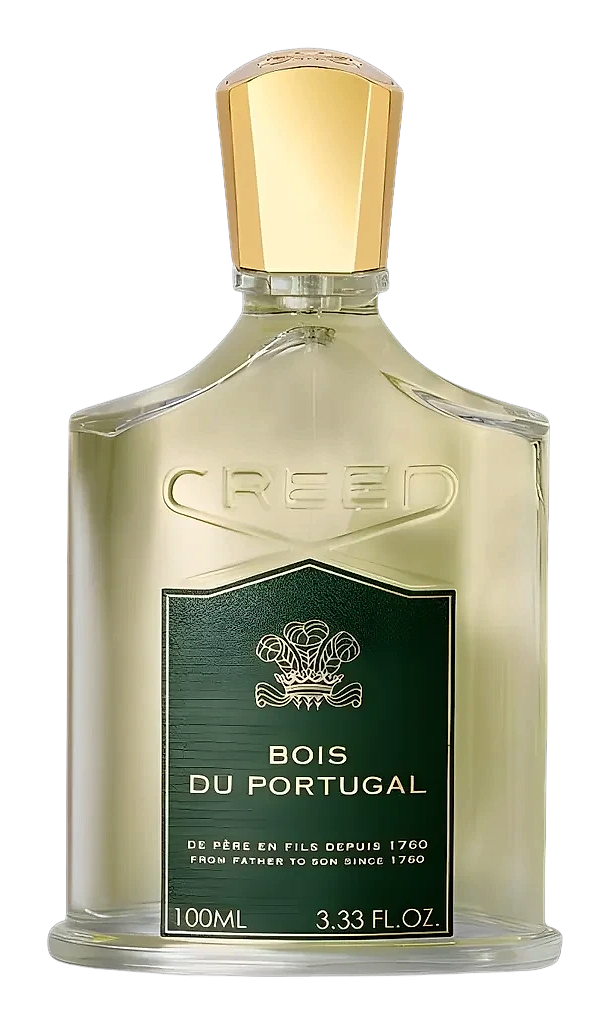
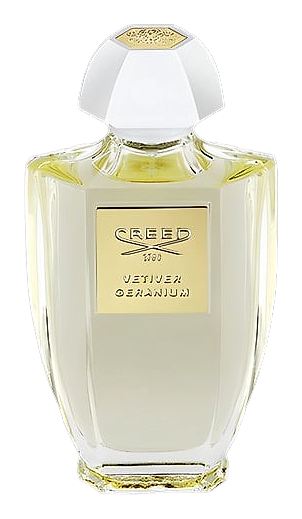
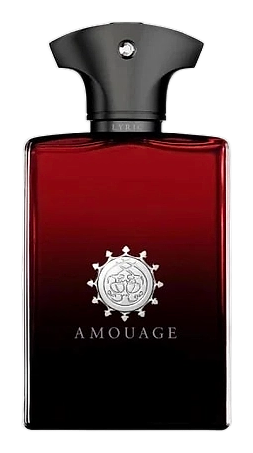
Paris Leather has developed a following among leather fragrance enthusiasts who appreciate its restraint. The jasmine-leather combination draws comparisons to Amouage's leather offerings and Creed's Bois du Portugal among collectors. Discontinued yet still sought after, it occupies a specific corner of the niche leather market, close to skin rather than projecting loudly, unusual in its floral-leather heart.