The Story
Why it exists.
The beginning
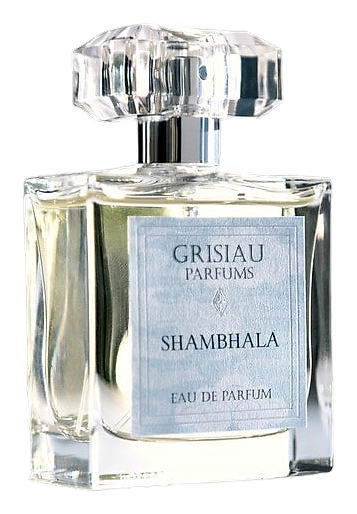
Shambhala takes its name from the mythical hidden kingdom described in Tibetan Buddhist tradition, a paradise said to exist beyond the snow peaks, accessible only to those who have walked far enough on the path. Roger Howell translated that concept into scent: a fragrance that begins in open air and ends in ancient wood, built for the hour when the mind finally quiets. The structure mirrors the journey, elevation followed by descent, clarity followed by depth. It's named for a destination, but it's about the practice of getting there.
What makes Shambhala's structure unusual is the pairing of mountain air with Nag Champa, elements you rarely find together. Air accord gives the opening an altitude feeling, like standing above the treeline. The heart introduces florals that are green rather than sweet (lotus, neroli, tea leaf), keeping the composition grounded rather than heady. Then the base layers Nag Champa, that particular sacred smoke, with Cambodian oud and Mysore sandalwood, creating depth that feels earned rather than heavy. The oakmoss at the end provides an earthiness that keeps everything from floating away entirely.
The evolution
The opening announces citrus over a misty accord, cold and transparent as high-altitude air. Neroli arrives quickly, softening the edges, followed by green tea and the quiet resin of cypress bark. The transition to the base takes 30 to 40 minutes and feels like descending, not a fall, but a deliberate step inward. Nag Champa emerges first, smoky and faintly sweet, then the oud weaves through with its characteristic barnyard edge, here softened by sandalwood's cream. The drydown lasts hours on most skin types, settling into a skin-moss-and-incense warmth that clings to fabric overnight. The next morning, traces remain on skin and clothes, a ghost of what was, grounding and intimate.
Cultural impact
Shambhala sits in a quiet corner of the niche fragrance world, appeals to those drawn to incense-forward compositions with an emphasis on contemplation rather than performance. The Grisiau house has built its following around the idea that scent can function as an aid to meditation or inner exploration, and Shambhala is perhaps the purest expression of that philosophy.