
The Story
Why it exists.
The beginning
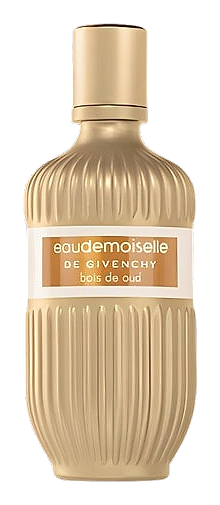
Eaudemoisellede de Givenchy Bois de Oud arrived in 2012 as Givenchy's first move into oud. The original Eaudemoisellede was a fresh, youthful fragrance; this version takes the same spirit and pushes it somewhere bolder. Oud was gaining momentum in mainstream perfumery, and Givenchy approached it the way the house approaches everything: with aristocratic instinct and couturier nerve. The name says it all. Bois de Oud means oud wood, and the fragrance delivers exactly that, wrapped in enough rose and vanilla to make it wearable rather than intimidating.
What makes this composition interesting is how it negotiates the tension between accessibility and authenticity. True oud can be confrontational, animalic, and polarizing. Here, Givenchy threads it through a white floral heart of rose and orange blossom, then softens the base with vanilla and amber. The frankincense adds resinous depth without aggression. The result is oud that reads as luxury rather than challenge. It's oud for someone who's curious but not ready to commit to the full experience.
The evolution
The mandarin opening hits bright and juicy, an immediate citrus burst that announces itself with energy. As it settles, the florals arrive to take center stage, rose and orange blossom weaving together in a soft, romantic duet. Vanilla threads through them like a warm undercurrent, adding a gentle sweetness that keeps the heart phase feeling intimate and inviting. Then the oud begins to show itself. Not aggressively. It builds slowly, mixing with the frankincense and cedar until the florals are just a memory. The drydown is warm, resinous, and close to the skin, a cozy embrace that lingers pleasantly without ever becoming overwhelming.
Cultural impact
When Eaudemoisellede de Givenchy Bois de Oud launched in 2012, oud was becoming a mainstream ingredient. Many houses were releasing pure, confrontational oud fragrances. Givenchy's approach was different: making oud accessible without losing its character. The fragrance found an audience among people who wanted to explore the note without committing to something aggressive.