The Story
Why it exists.
The beginning
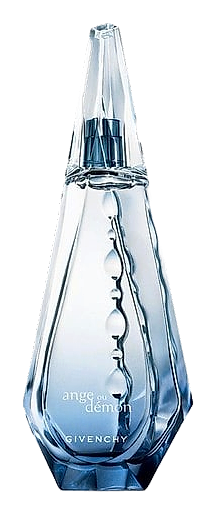
In 2006, Givenchy released Ange ou Demon, a fragrance built on contradiction. Angel and demon in the same bottle. A year later, the house softened the proposition. Ange ou Demon Tendre arrived in 2007 as the gentler answer to a provocative question. The perfumer Olivier Cresp returned, stripping away the original's darker edge and rebuilding it around tenderness instead. This wasn't a retreat. It was a refinement. Tendre takes the white floral heart that made the original compelling and makes it the entire story, no shadows, just light. The name says it all: soft, deliberate, unmistakably Givenchy.
What makes Tendre work is the restraint. Orange blossom and lily of the valley open bright, but they're not allowed to bloom unchecked. Mandarin orange keeps everything crisp, a citrus precision that prevents the florals from going saccharine. Then heliotrope enters, powdery, slightly almond-soft, and shifts the register from fresh to intimate. Peony adds body without weight. The real story is in the base: Brazilian rosewood and patchouli ground the florals without darkening them. Patchouli here isn't earthy or aggressive, it's warm, almost creamy. Rosewood adds a woody sweetness that holds the composition together. This is a fragrance that knows exactly what it wants to be and doesn't apologize for it.
The evolution
The opening is immediate: orange blossom hits first, bright and clean, followed closely by lily of the valley and mandarin. The citrus begins to settle and soften as the florals take center stage, creating a smooth transition that feels natural rather than abrupt. Heliotrope and peony take over next, and this is where the character shifts. The brightness softens into something powdery, almost tangible, like the scent of skin after a light dusting. It lingers in this phase for a few hours, the florals holding their own in a delicate dance. The drydown is where Brazilian rosewood and patchouli make their move, but subtly. This isn't a dramatic reveal, it's a quiet settling. The patchouli doesn't dominate; it wraps the florals in warmth, keeps them close. The fragrance fades to a skin-close intimacy by evening.
Cultural impact
Ange ou Demon Tendre arrived in 2007 as a softer counterpoint to the original's provocative energy. The white floral and patchouli combination creates a balance of tender and confident, floral without being generic. Its understated character positioned it as a fragrance for those who appreciate everyday luxury. Wearers experience it as a quiet statement, a scent that speaks softly but leaves a lasting impression.