The Story
Why it exists.
The beginning
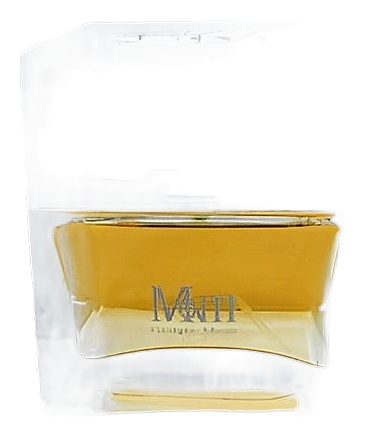
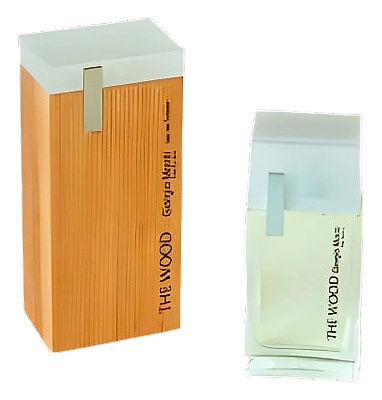
The Wood for Men takes its name literally and figuratively, treating wood not as a backdrop but as the spine of the composition. Around that central note, spice and leather arrange themselves like furniture in a modernist room, each element given space to speak without crowding the others. The caraway opening leans into the European tradition of aromatic men's cologne, a warmer and dustier choice than the usual citrus brighteners. Caraway brings a hint of rye bread rather than cologne freshness, which sets up an immediate tension. Then the rose and patchouli in the heart pull the scent somewhere less expected.
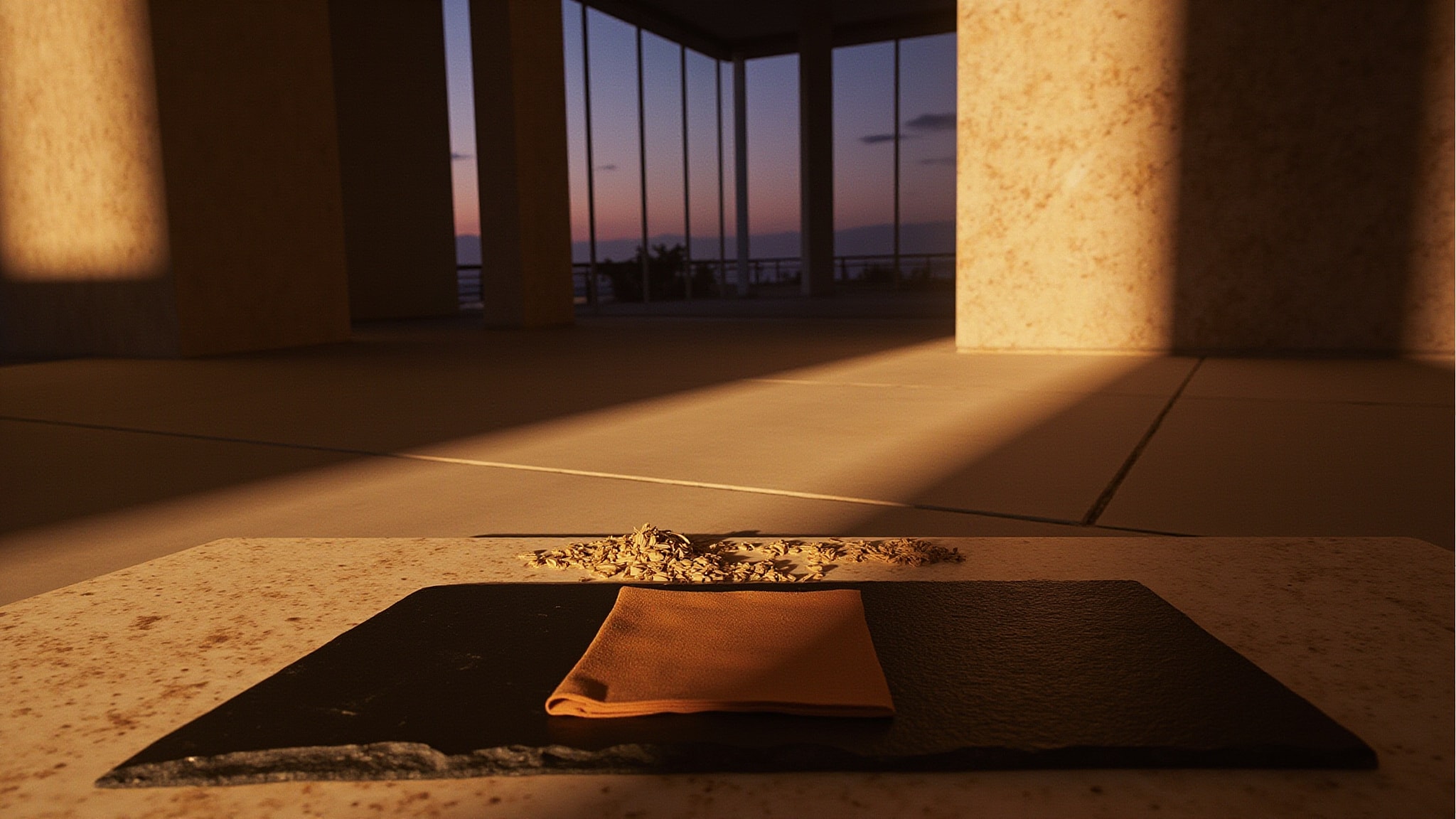
Caraway as a top note is unusual. Most men's fragrances reach for bergamot, grapefruit, or the conventional citrus brighteners. Caraway arrives with a warmer, almost dusty aromatic profile, closer to rye bread than to cologne freshness, and that choice alone signals where the composition intends to go. It sets up a tension: the opening promises something European and herbal, then the leather and rose arrive and the fragrance recalibrates. The leather lands glove-soft rather than rugged, and the rose beneath it carries a quiet powder rather than a bloom.
The evolution
The first 15 minutes are all caraway and a clean lemon lift, dry and almost savory, the scent of toasted seed before anything else arrives. By the 30-minute mark, the leather has settled into its role, smooth and suede-soft rather than rawhide, and a rose note you barely register on a first sniff suddenly makes itself known, dusty and slightly sweet, tucked behind the patchouli. The middle hour is where the composition stays: woody, powdery, warm in a low-key way, the kind of scent that registers on someone walking past rather than across the room. By hour three the musk and powdery base have taken over, and the leather has retreated to a suggestion, a finish. What lasts through the late afternoon is a soft woody-musky skin scent, less composed than it started, more like something the wearer has been wearing all day than something they applied that morning.
Cultural impact
The Wood for Men carries the kind of reputation that appeals to wearers who already trust the house rather than those browsing for a loud first signature. It rewards repeat wear, and the woody architecture at its center gives it a presence that reads as confident without shouting. The caraway opening separates it from the usual lineup of citrus-led men's releases, and the rose in the heart gives the composition a softer edge than most masculine woody fragrances attempt. The drydown settles into a quiet musky warmth that sits close to the skin, which makes it the sort of scent that draws someone in rather than announcing itself across a room.
The House
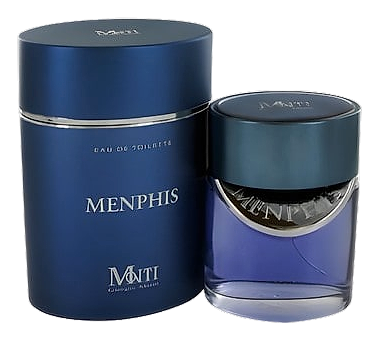
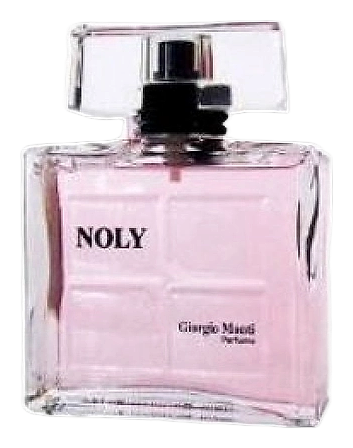
Giorgio MontiGiorgio Monti emerged at the turn of the millennium as a quiet alternative to the flashier niche houses that dominate the perfume world. Founded by Italian designer Giorgio Monti, the label pairs a minimalist visual language with scents that often reference a single memory or place. The portfolio, which includes early releases such as Noly (2000) and later staples like Memphis (2009), balances modernist restraint with a subtle sensuality that invites repeat discovery. Though the brand operates from Italy, its bottles travel the globe, finding homes in boutique shops and curated collections alike.
The Creator
Giorgio MontiMonti's signature lies in his ability to coax unexpected softness from materials that others treat as bold. He handles leather without weight, renders woods luminous rather than heavy, and treats florals with a restraint that feels distinctly Italian.