




The Heritage
The Story of Giorgio Monti
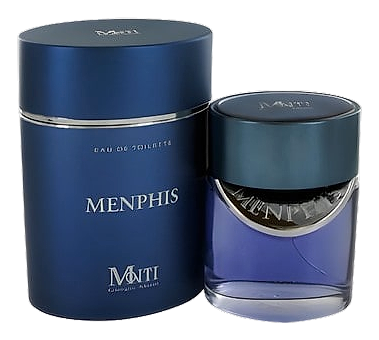
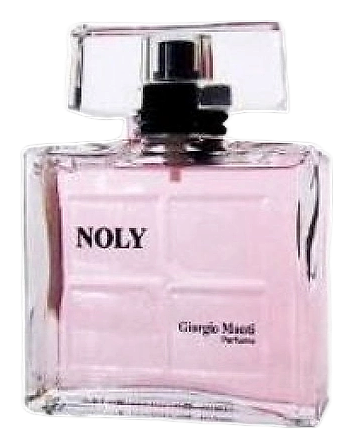
Giorgio Monti emerged at the turn of the millennium as a quiet alternative to the flashier niche houses that dominate the perfume world. Founded by Italian designer Giorgio Monti, the label pairs a minimalist visual language with scents that often reference a single memory or place. The portfolio, which includes early releases such as Noly (2000) and later staples like Memphis (2009), balances modernist restraint with a subtle sensuality that invites repeat discovery. Though the brand operates from Italy, its bottles travel the globe, finding homes in boutique shops and curated collections alike.
Heritage
Giorgio Monti launched his eponymous fragrance line in 2000 after a career in graphic and product design. The first offering, Noly, arrived the same year and set a tone of understated elegance that would define the house. Early on, Monti partnered with independent manufacturers in Milan, allowing him to control both scent composition and packaging without the overhead of a large perfume house. By 2007 the brand expanded its catalogue with Darvin, a woody aromatic that earned modest praise in niche‑fragrance forums. 2008 proved prolific: the eponymous Monti by Giorgio Monti debuted alongside Kint and The Wood for Women, each reflecting a different facet of the founder’s aesthetic—clean lines, muted colour palettes, and a focus on single‑note storytelling. The following year, Memphis arrived, a tribute to the Italian city’s post‑war modernism, while Pur Sang Men and Los Angeles Men (2010) demonstrated the brand’s willingness to explore geographic inspiration beyond its home base. Throughout the 2010s, Giorgio Monti maintained a low‑key market presence, avoiding aggressive advertising and instead relying on word‑of‑mouth within boutique circles. The brand’s distribution remained limited to select European retailers and a handful of online specialty platforms, preserving an air of exclusivity without resorting to artificial scarcity. In recent years, Giorgio Monti has hinted at collaborations with small‑batch ingredient suppliers, signalling a continued commitment to artisanal sourcing while navigating the evolving regulatory landscape of the fragrance industry. The house’s history, while modest in scale, illustrates a consistent dedication to design‑driven perfumery that values clarity over clutter.
Craftsmanship
Giorgio Monti’s production process begins with a brief that ties a scent to a specific visual or emotional cue. The brand works with independent perfumers, often based in France or Italy, who translate the brief into a formula that emphasizes a single dominant note. Ingredients are sourced from both natural and synthetic origins; the house prefers high‑purity isolates when they provide a cleaner olfactory result, but it also incorporates ethically harvested absolutes for warmth and depth. Once a formula is approved, it is sent to a small‑batch manufacturer in the Lombardy region, where strict quality controls monitor temperature, humidity, and batch consistency. The brand insists on a minimum of six months of maturation before bottling, allowing the fragrance to settle and reveal its true character. Bottles are produced in glass factories that specialise in thin‑walled, matte finishes, aligning with the label’s minimalist aesthetic. Each bottle receives a hand‑applied black or white cap, and the label features a simple sans‑serif typeface that mirrors the founder’s design background. Quality assurance includes blind testing by a panel of fragrance professionals and a final visual inspection to ensure that the bottle’s surface is free of imperfections. The entire workflow, from brief to final product, typically spans 12 to 18 months, reflecting the brand’s commitment to deliberate, unhurried creation rather than rapid market turnover.
Design Language
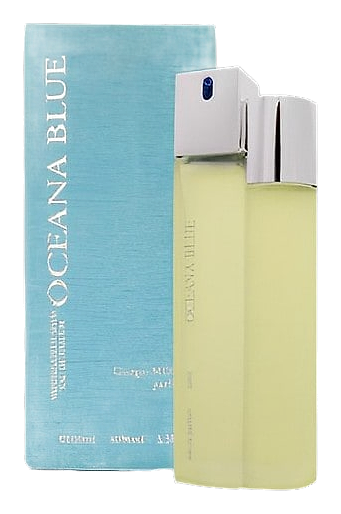
The visual language of Giorgio Monti reads like a modernist brochure. Bottles are slender, often capped in matte black or brushed aluminium, and the glass itself is clear or lightly tinted to hint at the scent’s colour family. Typography stays consistent across the range: a clean, uppercase sans‑serif that appears centered on a plain white or black label. This restraint extends to advertising, which favours stark photography—sometimes a single object, a shadowed wall, or a muted landscape—rather than elaborate narratives. The brand’s logo, a simple monogram of the initials GM, appears embossed on the cap, reinforcing the design‑first ethos. Retail displays echo this minimalism, using wooden trays and neutral backdrops that let the bottles speak for themselves. Even the packaging boxes follow the same rule set: thick, matte cardboard with a single colour band and the monogram stamped in relief. This cohesive visual strategy positions Giorgio Monti as a quiet, design‑oriented house that lets the scent itself take centre stage, appealing to collectors who appreciate both form and function.
Philosophy
At its core, Giorgio Monti treats fragrance as an extension of visual design. The founder often describes each scent as a “single brushstroke” that should stand alone without needing a supporting cast. This philosophy translates into a focus on clarity: compositions avoid over‑layering, instead highlighting a dominant accord that can be perceived immediately. The brand also embraces sustainability in a pragmatic way, favouring ingredients that can be sourced responsibly and opting for recyclable packaging whenever possible. Monti believes that a perfume should evoke a personal narrative rather than a generic trend, so the creative brief for each launch starts with a concrete memory—a street, a colour, a season—before any molecule is selected. The label’s modest size allows it to iterate quickly, testing new ideas in limited releases before committing to larger production runs. This iterative approach reflects a broader value system that prizes honesty, restraint, and a quiet confidence in the power of scent to communicate without shouting.
Key Milestones
2000
Launch of the brand with the debut fragrance Noly, establishing a minimalist design language.
2007
Release of Darvin, the first scent to gain notable attention in niche‑fragrance forums.
2008
Three new launches—Monti by Giorgio Monti, Kint, and The Wood for Women—expand the portfolio and solidify the house’s aesthetic.
2009
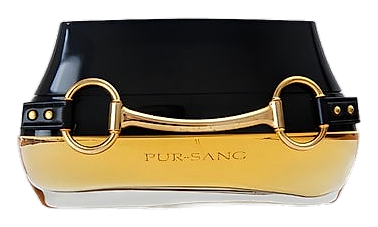
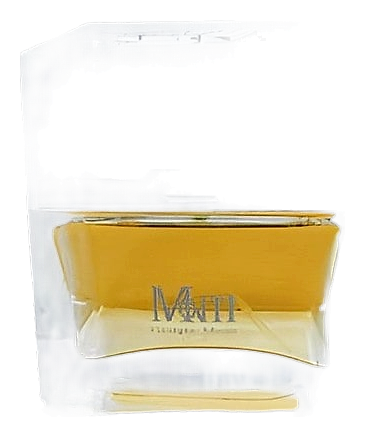
Memphis and Pur Sang Men arrive, reflecting geographic inspiration and the brand’s growing confidence in thematic storytelling.
2010
Los Angeles Men debuts, marking the first fragrance explicitly linked to an overseas city.
2015
Giorgio Monti announces a partnership with a small‑batch natural ingredient supplier, emphasizing sustainable sourcing.
At a Glance
Brand profile snapshot
Origin
Italy
Founded
2000
Heritage
26
Years active
Collection
1
Fragrances released
Avg Rating
3.5
Community sentiment
Release Rhythm


