
The Story
Why it exists.
The beginning
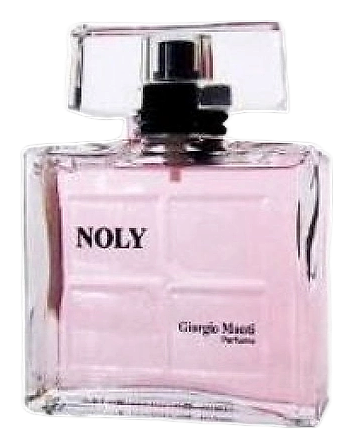
Giorgio Monti founded his house in Italy in 2000 with a commitment to minimalist philosophy, treating each fragrance as a single deliberate act rather than a layered composition. Monti believes perfume should translate visual calm into aroma, and Noly, the house's debut, embodies that ethos from its first burst of bergamot to its final patchouli whisper. The perfumer, working within Monti's restrained vision, constructed Noly as an exercise in restraint, using bergamot and tea to establish clarity before allowing florals to speak softly.
The pairing of bergamot with tea in the opening reflects Monti's belief that a perfume can evoke stillness as effectively as movement. Tea carries cultural associations with contemplation, and bergamot adds just enough brightness to prevent melancholy. The heart combines three florals that share an affinity for restraint, freesia's coolness balancing jasmine's warmth while rose provides emotional softness. Patchouli in the drydown serves as an anchor, its earthy character grounding the delicate florals and ensuring the scent lingers as a memory rather than an event.
The evolution
Noly begins its evolution with a bergamot-tea opening that feels almost medicinal in its cleanliness, a deliberate choice that signals this is not a perfume interested in immediate seduction. As minutes pass, freesia appears like morning light through sheer curtains, cool and unobtrusive. Jasmine deepens the heart with a whisper of tropical warmth, and rose adds a quiet romanticism that prevents the heart from feeling clinical. When patchouli finally arrives in the drydown, it does so without drama, wrapping the previous notes in a soft earthiness that suggests late afternoon in a quiet garden.
Cultural impact
Since its debut in 2000, Noly has quietly influenced the niche fragrance scene by championing a minimalist aesthetic that prioritises a single dominant accord over complex layering. Its tea‑citrus opening paired with a restrained patchouli base offered an alternative to the heavily gourmand trends of the early 2000s, encouraging other houses to explore cleaner, more linear compositions. Over the past two decades, the fragrance has been cited in several industry round‑tables as a reference point for balance and restraint, inspiring a wave of minimalist releases that focus on clarity rather than opulence.