The Story
Why it exists.
The beginning
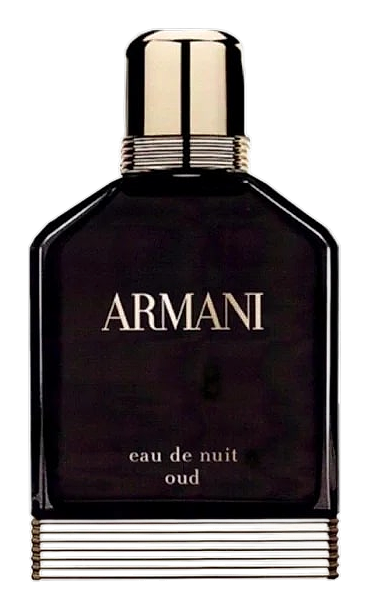
Eau de Nuit Oud arrived in 2016 with a brief that was both specific and generous: oud, but not the kind that walks into the room with a brass band. The perfumer Rozenn Mainguené was given the task of building something that honored the material without letting it dominate. Mainguené is a composer who treats dense materials like resinous woods and dried florals with a careful, almost geological patience, layering them slowly until the architecture reveals itself. The setting in the name says the rest: this is fragrance built for after dark, when the volume drops and the company gets interesting. Where many oud compositions pile on the heaviness, this one negotiates.
The interesting move is what doesn't happen. Mainguené didn't reach for the heavy resins or the aggressive pairings that can flatten the genre into a single, loud chord. She built around it. Cardamom and pink pepper do the spicing, not the oud. Rose and orris root provide the floral lift, not the sweetness. That frees the oud to do what it does best when it's not fighting for attention: sit at the center of the composition with a quiet, almost smoky authority. Saffron in the base adds the leathery warmth that makes oud read as luxurious rather than medicinal.
The evolution
The opening is a controlled exchange. Cardamom speaks first, dry and slightly green, while pink pepper ticks beneath it like a clock that knows what it's counting down to. Bergamot keeps the top from feeling hot. Give it time and the spicing steps back. Rose arrives, but it's the dusty, iris-tinged rose that orris produces, not the jammy kind. Geranium adds a cool herbal edge that prevents the heart from getting too polite. As the hours pass, the architecture shifts. Tonka bean absolute wraps itself around the oud like a hand around a glass, warming it without adding sweetness for its own sake. The oud itself reads more leather than barnyard, more library than stable. Eventually it becomes a skin scent, and a beautiful one: close, warm, faintly resinous, the saffron still threading through underneath. On fabric the next morning, it smells like a memory of a place that smelled expensive.
Cultural impact
Eau de Nuit Oud arrived in 2016 into a fragrance landscape where oud had moved from a niche curiosity to a familiar presence on counters across Europe and North America. The wood itself carried associations: Middle Eastern traditions, smoky Arabian-profile compositions, the loud and leathery end of the genre. This release chose a different register. Where many oud fragrances built their identity around the wood as a loud central pillar, this composition treated it as a core surrounded by carefully calibrated supporting notes.