The Story
Why it exists.
The beginning
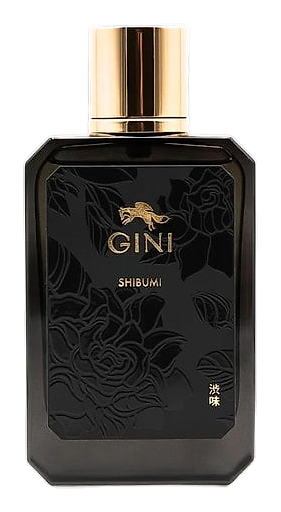
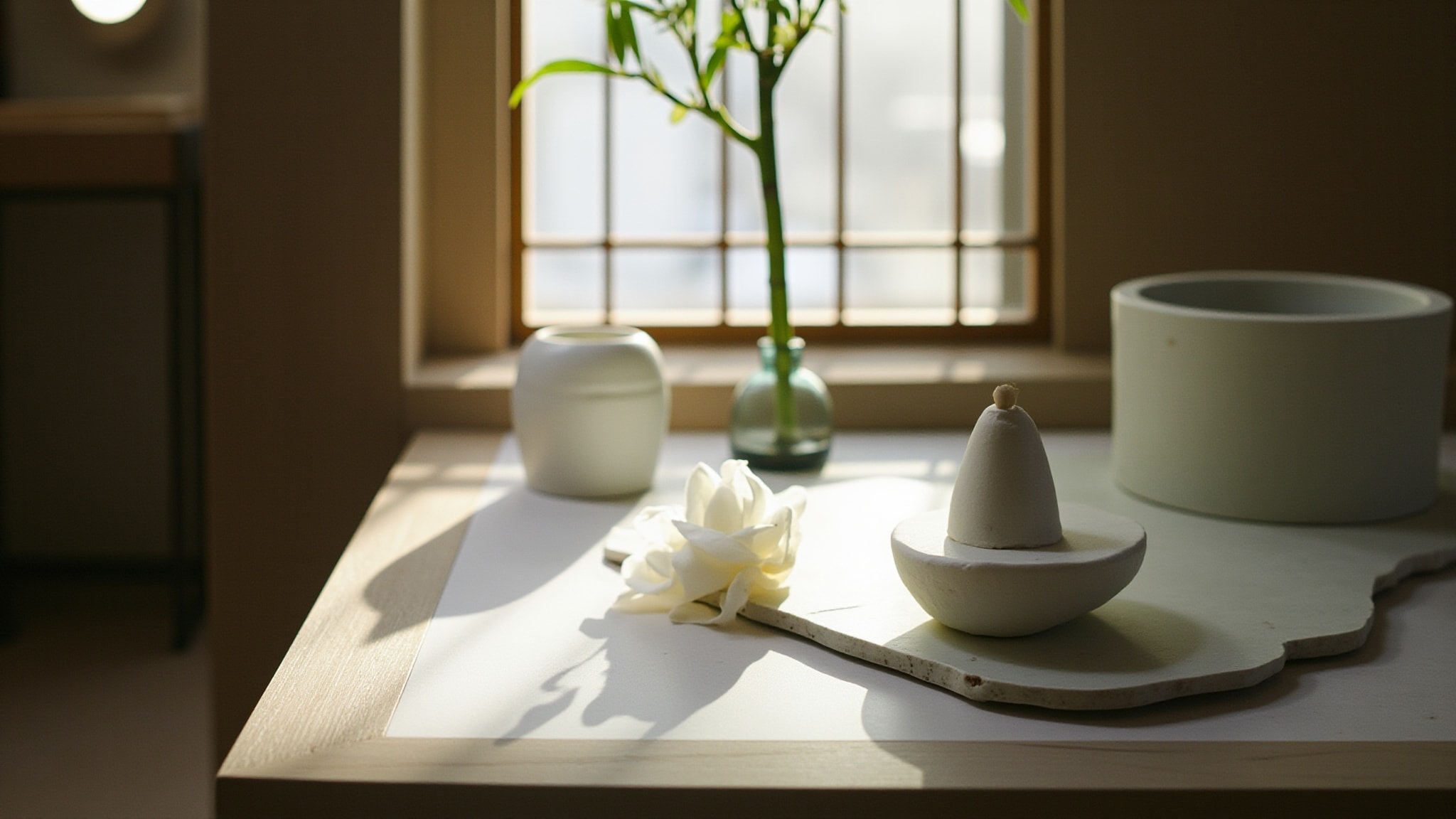
The name Shibumi points to understated refinement, beauty that doesn't announce itself. But the the community copy takes the inspiration somewhere more specific: Yanaka, a neighborhood in Tokyo where narrow lanes wind past wooden shopfronts and time moves slower than the rest of the city. It's the kind of place you'd walk through without photographing it. The fragrance captures that refusal to perform, the quiet of a garden in late spring, just existing for itself.
What makes Shibumi unusual is the interplay between cool white florals and the bitter tea in the base. Gardenia is naturally creamy, almost indolic, it can swing heavy. Here, it's held in check by magnolia's restraint and the green tea element, which introduces an astringent, meditative quality. Bamboo adds a crisp, green freshness that keeps the florals from settling into sweetness. It's a composition that could have gone lush and instead went still.
The evolution
The opening hits bright and clean, nashi pear and mirabelle plum arriving together, cold and crisp like fruit just pulled from the refrigerator. Mandarin and pink grapefruit add a citrus lift that doesn't linger. Within twenty minutes, the florals take over: gardenia first, creamy and cool, then magnolia arriving to add a slightly waxy, elegant depth. Freesia and peony soften the middle without diluting it. By the third hour, the base arrives, bamboo keeping things green, green tea bringing its bitter, meditative edge, sandalwood quietly warm underneath. The drydown stays close to skin for another three to four hours. What lingers isn't sweetness. It's a clean, held quality, like the scent of a room someone just left, not the person walking in.
Cultural impact
Shibumi sits in a quieter corner of the fragrance world, not the loud statement of many white floral fragrances, but something more considered. It appeals to wearers who want presence without projection, and refinement that doesn't announce itself. The Japanese-inspired naming and the tea-forward base place it among fragrances that draw from East Asian aesthetic traditions, though it remains a relatively intimate entry in that conversation.