The Story
Why it exists.
The beginning
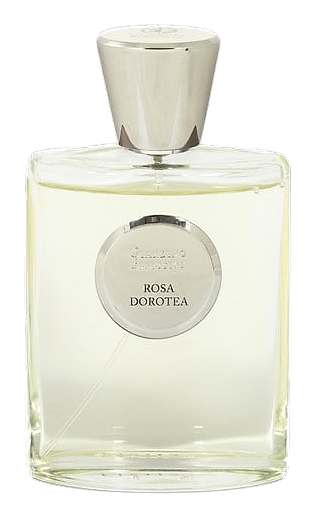
Rosa Dorotea is named for a woman who appears in Italian literary tradition, dignified, particular, not easily won over. Paolo Terenzi built this fragrance around that energy: a rose that arrives with its own agenda, sweet enough to intrigue but composed enough to mean it. The tea rose and red rose together create a duality, one cool, one warm, held in place by the green tea that keeps the florals honest. Fruit opens the conversation, but the florals are what stay.
What makes Rosa Dorotea interesting is the green tea in the heart. It sounds like a wellness cliché, but here it does real work, it tempers the rose's natural inclination toward sweetness, keeps magnolia and lily from overwhelming the composition. The passion fruit and blackcurrant in the opening are fruity without being childish, more of a suggestion than a statement. Then ambergris enters the base with that quiet aquatic quality, giving the drydown a clean, skin-close finish that rounds the whole thing off without ever going heavy.
The evolution
The opening is immediate: blackcurrant and melon arrive together, bright and slightly tart, with the tea rose lifting above them like a flag planted in fruit. It lasts maybe twenty minutes before the florals take over, magnolia first, then red rose, then lily arriving last to soften the edges. The green tea is the connective tissue throughout the heart, keeping everything with one foot in the garden and one in a teahouse. By hour three, the ambergris and white musk have settled in. The cedarwood is the ghost at the end, you feel it more than smell it, a warmth that lingers past when you think the fragrance has left. On fabric, it holds longer than on skin. The next day, there's a faint trace of clean musk, like something was worn and loved.
Cultural impact
Rosa Dorotea arrived at a moment when rose fragrances were dominated by bold, statement-making compositions. Giardino Benessere's 2016 release took a quieter approach, pairing fruity brightness with restraint rather than sillage. This positioned the fragrance in a niche between casual wear and formal perfumery, appealing to those seeking presence without performance. The scent has since developed a dedicated following among collectors who appreciate its composed structure and longevity, becoming a reference point for approachable yet sophisticated rose compositions in independent Italian perfumery.