The Story
Why it exists.
The beginning
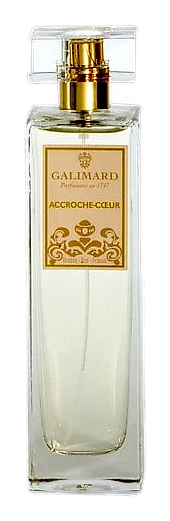
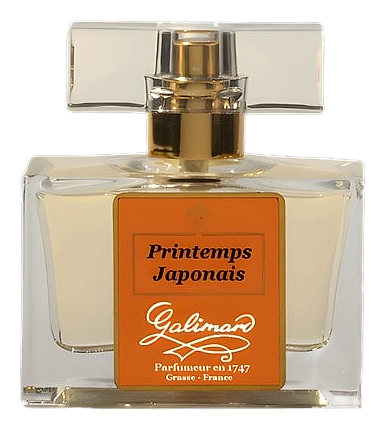
The name draws from Japanese spring, the season of cherry blossoms and renewal. Galimard, rooted in Grasse and its centuries of botanical expertise, built this fragrance around the citrus and florals that have long defined the house's craft. The composition opens with bright bergamot and lemon, a sparkling citrus burst that feels like morning light on a clear day. At its heart, rose and jasmine unfold, adding a velvety depth that softens the initial sharpness. The blend is airy yet substantial, with a quiet warmth that settles close to
What makes this structure interesting is the cool-to-warm-to-cool arc. The opening delivers citrus brightness that fades fast, gone within the first thirty minutes. In its place, the heart of raspberry and plum arrives with a soft, almost jammy sweetness that feels warmer than the bergamot and lemon that preceded it. But then the base does something unexpected. The iris doesn't compete with the berries, it overtakes them. What lingers is powder, vanilla, and the faint coolness of orris root. On dry skin, the vanilla never fully arrives. The iris stays, quiet and close, for hours. That's the tell: this isn't a fragrance that announces itself. It's a fragrance that stays.
The evolution
The citrus opens clean. Bergamot and lemon hit the skin with the brightness of a morning that hasn't committed to anything yet. That phase lasts maybe thirty minutes, a brief, pleasant hello, then it's gone. The heart takes over, and suddenly everything shifts. Raspberry and plum arrive together, sweet and rounded, like jam just pulled from the heat. Rose sits underneath, present but not pushy. This is the phase people remember, the one reviewers call elegant and soft, the part that earns the word beautiful. The base doesn't compete. It arrives quietly. Iris and vanilla take over slowly, the vanilla adding warmth without sweetness, the iris adding that powdery coolness that turns the whole composition into something that smells like a memory rather than a product. On fabric, it stays. On skin, it lasts a full workday. The next morning, there's a faint trace, clean, close, almost skin-like. The kind of drydown that makes you reach for the bottle again.
Cultural impact
Printemps Japonais arrived in 1960, when French perfumery was still casting long glances toward the East. The name alone placed it in a cultural moment, Japanese design was reshaping fashion, art, and architecture in Paris, and Galimard translated that aesthetic fascination into scent. What makes this fragrance endure is its refusal to shout. Where many fruity-florals of the era leaned into projection and performance, this one asked to be discovered rather than announced. That quality, intimate, powdery, quietly elegant, aged well in a way that trend-driven fragrances rarely do.