The Story
Why it exists.
The beginning
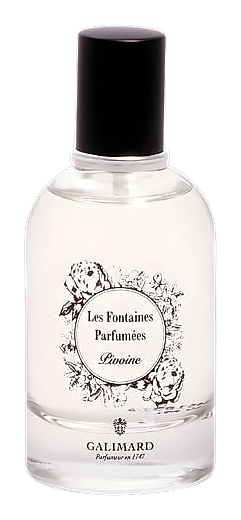
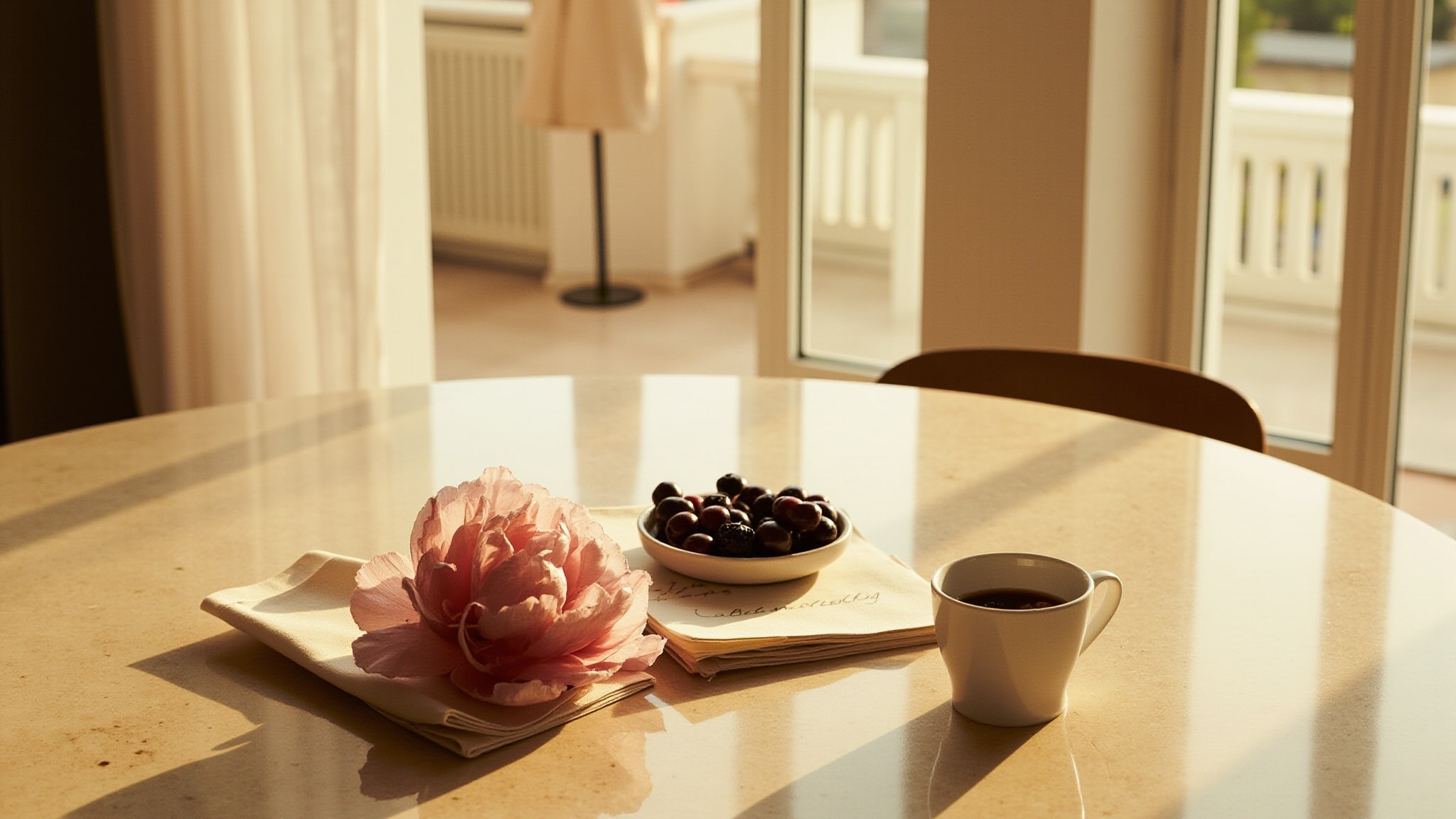
Pivoine is part of Galimard's Les Fontaines Parfumées collection, a line that gathers some of the brand's floral compositions under a single banner. Launched in 2017, it centers on the peony, a flower that blooms briefly each spring and carries an almost weightless femininity in French perfumery. The composition leans into that transience: a May rose, a blackcurrant bud, the dewy sharpness of peony itself, then a soft tumble of jasmine, freesia, and geranium leaf. Each note arrives with purpose, building around a single bloom rather than crowding the space with competing florals. The top accord offers a cool, almost green snap, where the blackcurrant bud cuts through the peony's softness with a tart, slightly metallic edge.
What defines Pivoine is the tension between its fruit and its florals, a push and pull that gives the composition its shape. Blackcurrant brings a tart, almost wine-like brightness that keeps the peony from collapsing into pure sweetness. The fruit acts almost as a frame, setting a crisp boundary around the soft center and preventing the white florals from blurring into a single pastel wash. The geranium leaf in the heart adds a green, slightly peppery edge, the kind of contrast that keeps a floral composition feeling alive rather than ornamental.
The evolution
Pivoine opens with a cool rush. Blackcurrant and peony hit first, almost like biting into a fruit that hasn't fully ripened, green and sharp and slightly floral at the same time. The May rose underneath is subtle, more of a warmth than a declaration. Within 15 to 20 minutes, the fruit recedes and the heart takes over. Jasmine comes forward, but not in the heavy, indolic way it sometimes does. It's clean, almost sheer, mixed with freesia's peppery sweetness and the green snap of geranium leaf. The composition feels like walking through a garden after rain, everything wet and slightly blurred. After about two hours, the base settles in. Amber wraps the florals in a thin, golden layer, and musk softens everything until the fragrance reads warm and close to the skin. The lily of the valley sits quietly in the base, giving the drydown a soapy, dewy quality that lasts well into the evening.
Cultural impact
Pivoine arrives at a moment when peony has become one of the most recognizable flowers in modern perfumery, a bloom that carries strong associations with late spring and the softer side of French floral design. By centering peony alongside May rose and blackcurrant, the composition places itself firmly within a tradition of building around a single statement flower. The choice of peony as the lead is deliberate, since the note itself is famously difficult to extract, which means perfumers working with it rely on a careful blend of naturals and reconstructed accords to capture its dewy, slightly cool character.