
The Story
Why it exists.
The beginning
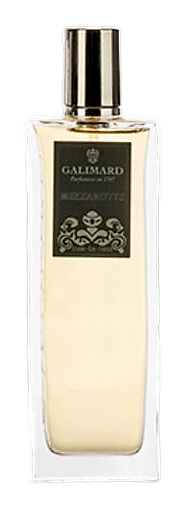
Caroline de Boutiny designed Mezzanotte for Galimard's Flibustier collection, a name borrowed from the privateers who once ruled the Mediterranean nights. The Italian word means midnight, that threshold hour when the sky finally surrenders its color. Boutiny captured something specific: not darkness itself, but the moment before it settles. A man's silhouette against a fading coastline. The Flibustier understood discretion. Mezzanotte does too.
What makes this composition interesting is the watermelon. Not a common move in masculine fragrance, too playful, too bright for the genre's usual gravitas. But paired with cedar and held close by sandalwood, it becomes something else: the cool breath after exertion, the green scent of water near the shore. The woods here aren't heavy. They're precise. Patchouli anchors without smothering, amber warms without sweetness overload. It's aromatic-woody done differently, fruity, yes, but not frivolous.
The evolution
The bergamot arrives clean and citrus-bright. Apple adds a subtle sweetness, but lavender keeps it grounded, herbal. Within twenty minutes, the top notes cede to cedar, dry, confident, the dominant voice through the heart phase. The watermelon appears here, not as a gimmick but as relief: a cool-green sweetness that tempers the cedar's assertiveness. It doesn't linger. By hour three, sandalwood and patchouli take over, with amber adding warmth that stays close to the skin. The drydown is intimate. On fabric, it traces the material softly overnight.
Cultural impact
Mezzanotte has quietly built a following since its 2015 debut, durable enough to remain in production for a decade, versatile enough to wear across seasons and occasions. Wearers describe it as the scent of someone who walks into a room and doesn't need to announce themselves. It's not pushing boundaries, but it's not playing it safe either. The watermelon-cedar combination sets it apart from typical masculine aromatics, earning praise for its unexpected freshness and criticism for predictability, depending on who you ask.