The Story
Why it exists.
The beginning
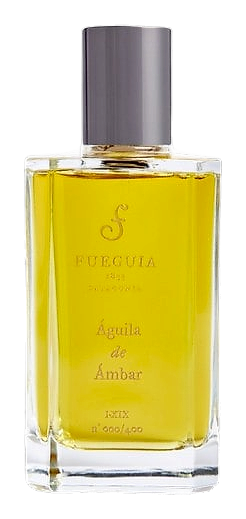
Águila de Ámbar is part of Fueguia 1833's Fábula Fauna collection, released in 2019. The scent imagines an eagle soaring over an expansive desert, gathering amber stones from the ground and carrying them back to a nest woven from damask rose branches. Julian Bedel composed it as field poetry: an avian predator, a mineral treasure, a thorny softness for a bed. The fragrance sits firmly inside the Fábula Fauna lineup, where each creature carries its own narrative weight. Three materials do all the storytelling: amber, rose, and oud. Nothing ornamental at all. Just a creature, a landscape, and the objects it chooses to surround itself with. The amber reads as geological weight, the rose as a living thread running through the composition, and the oud as the darker structural bone beneath.
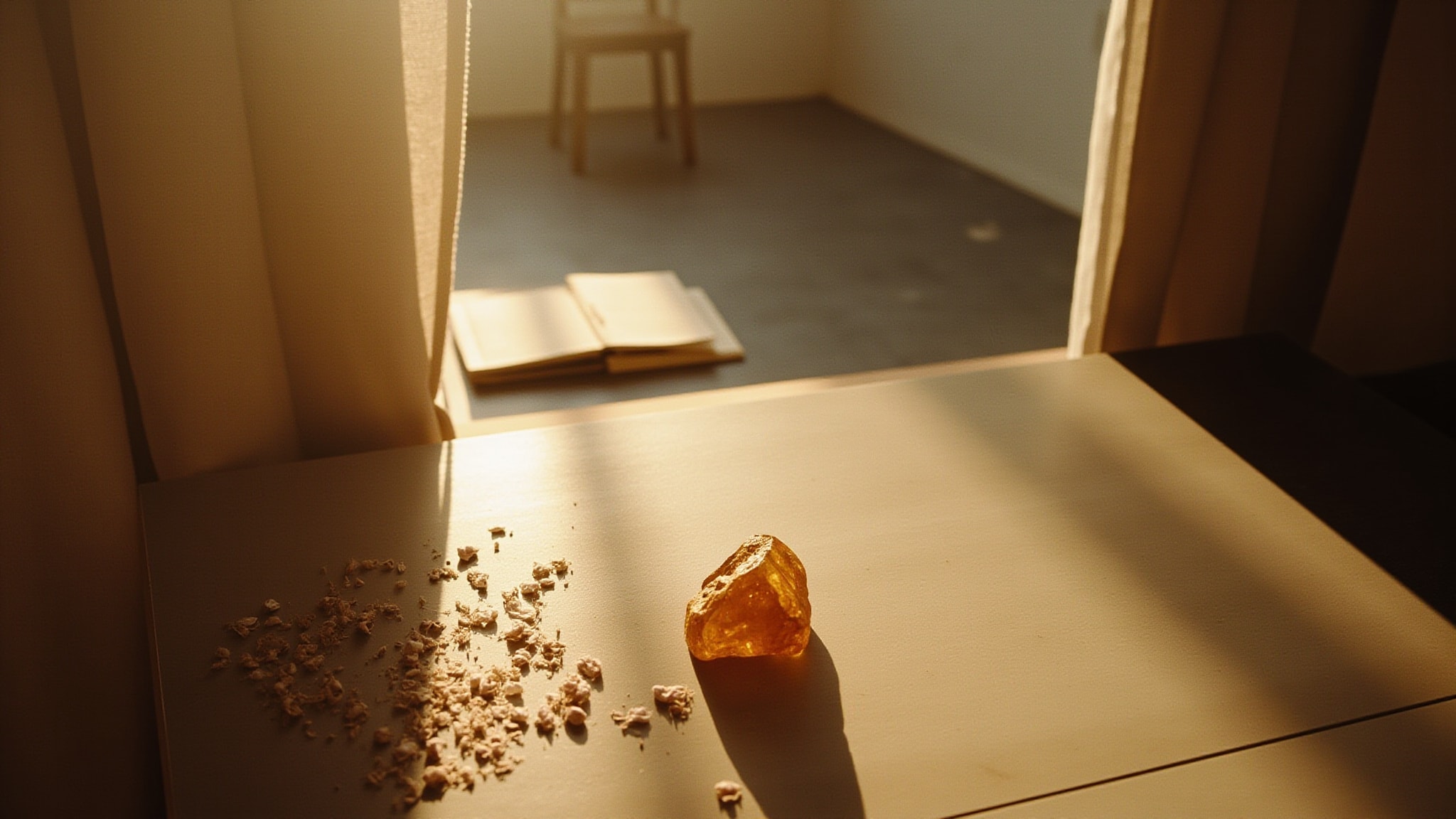
The amber here reads mineral and stony, more geological than gourmand, and the oud beneath it is described by wearers as woody rather than barnyard. The rose is what stitches them together, lending a floral softness to what would otherwise be two dry, hard surfaces. It is a study in restraint: one material from each family of warmth, and nothing to smooth the edges between them. The amber does not dissolve into syrup or pull toward the honeyed sweetness that so many amber accords rely on. Instead it holds its stony, sun-warmed character from the first spray through to the final hours on skin.
The evolution
The opening is amber first, loud and immediate, a resinous mineral heat that feels closer to sun-warmed stone than to any sticky resin you'd expect. Within the first ten minutes the rose arrives, not as a fresh-cut flower but as something already dried, already woven into something structural. The composition shifts from bright mineral to something deeper and more interior as the oud begins to surface underneath both notes. The sillage tends to sit close rather than project, which means the fragrance mostly speaks to the wearer until the later hours. The animalic facet emerges gradually as the hours pass: not fecal, not barnyard, but a warm skin-muskiness, the olfactory equivalent of a feather against wool. The drydown is the most beautiful phase: quiet, dry, and unmistakably evocative of the rustic landscape that the brand references in its materials.
Cultural impact
This is fragrance for people who would rather read a field guide than a fashion magazine. It wears close to the skin, asks for patience, and rewards the curious nose over the casual spritzer. Three materials, one creature, and a narrative that unfolds slowly across the hours of wear. The composition rewards the wearer who is willing to lean in rather than step back, who treats each application as the start of a small unfolding rather than a statement. The drydown arrives quietly, carrying the last traces of amber and oud into something that feels more like a memory than a presence.