The Story
Why it exists.
The beginning
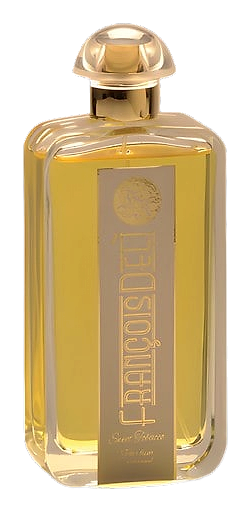
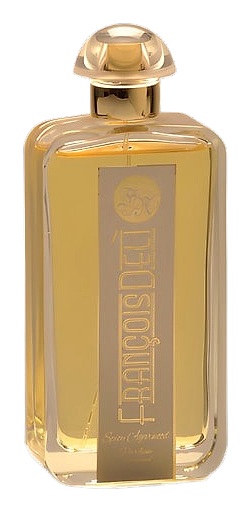
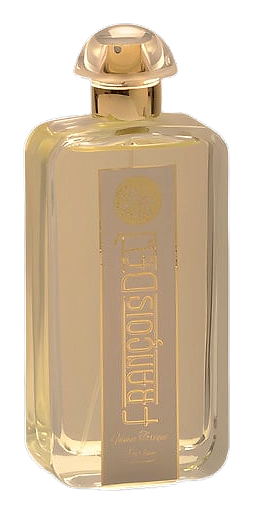
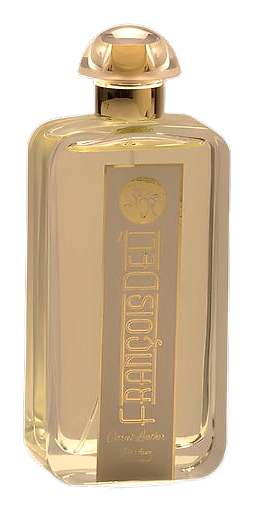
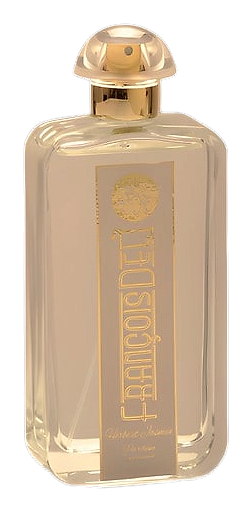
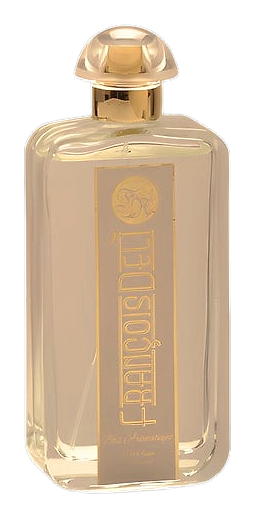
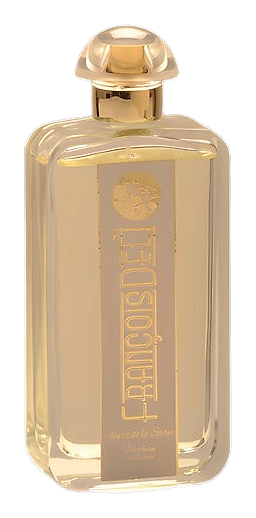
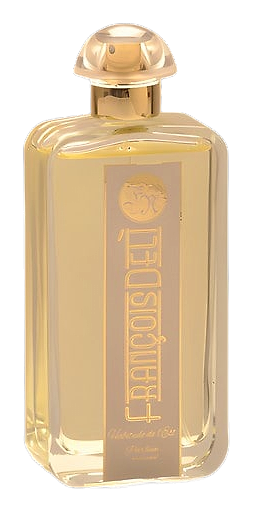
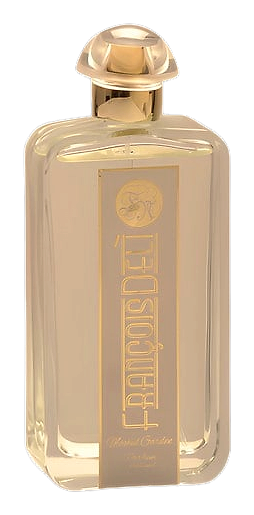
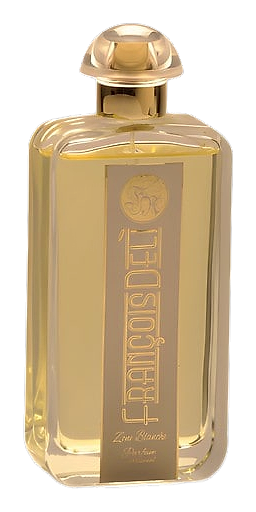
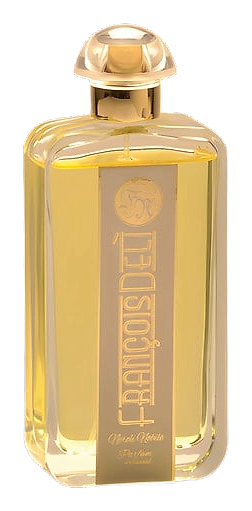
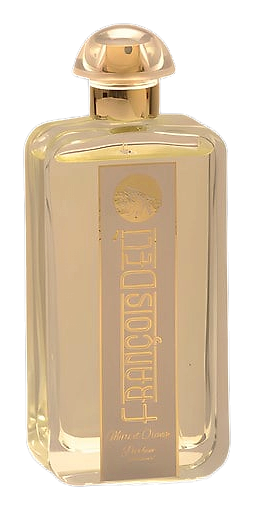
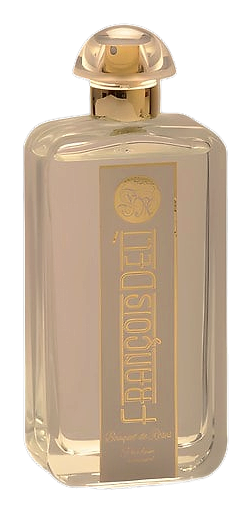
Bouquet De Roses arrived in 2012, the first fragrance from Francois Deli, an independent house that arrived without fanfare and has continued that way since. The name says exactly what it is: a rose, arranged in a bouquet, offered up. No metaphors, no theatrical gestures. Just the flower, the way it's been worn for centuries, minus the fuss that usually comes attached. The house's catalog spans provocative names like Fumee Toxique and Zone Blanche alongside gentler compositions like Herbe et Jasmin. Bouquet De Roses sits somewhere between, classical in material, but confident enough to not dress up what it's doing.
What makes this composition interesting is what it leaves out. A rose fragrance can easily become a statement, tuberose screaming, aldehydes glittering, a dozen florals piled into a commercial heap. Here, the structure is spare: one citrus note, one rose, two base materials. The Damask rose carries the weight without assistance. There's no sweetening agent hiding the flower's more complex, almost waxy character. No heavy woods burying the skin underneath. Just rose, wood, skin. The sandalwood doesn't overpower, it holds the rose up, gives it something to stand on. The musk doesn't project, it diffuses, makes the whole thing feel like it belongs to you rather than to the room.
The evolution
The bergamot opens bright and citrusy, a quick flash of sharpness that announces the rose is coming. It smells like a rose held close, warmed by the hand rather than the sun. The sandalwood arrives around the thirty-minute mark, adding texture without weight. The whole composition shifts from bright to soft, from green-citrus to warm-floral.
Cultural impact
The Damask rose has been cultivated for thousands of years across Persia, Turkey, and Bulgaria, prized for its intense fragrance and therapeutic properties. Its use in perfumery dates back to ancient Roman baths and Ottoman rose water distilleries, making it one of the most historically significant fragrance materials. Bouquet De Roses draws on this legacy, presenting a fragrance that honors traditional rose extraction while appealing to modern minimalist preferences. The choice of bergamot as the primary note reflects a contemporary Western taste that bridges old-world romance with fresh, approachable citrus brightness.