The Story
Why it exists.
The beginning
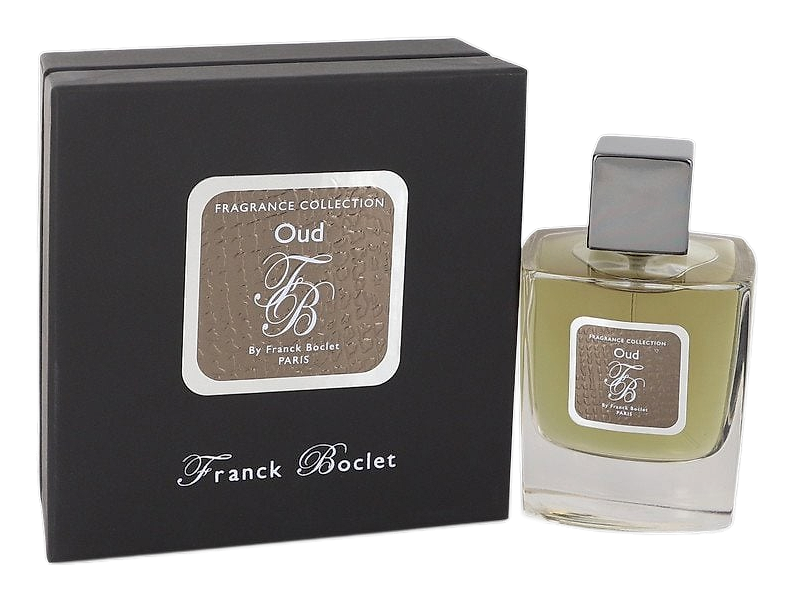
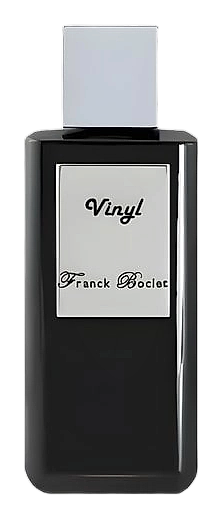
Franck Boclet designed Vinyl in 2019 as part of the Rock and Riot Black collection, and the name says everything. This is a fragrance about the record, the spin, the bass you feel in your chest. The sticky floor, the warm air, the bass you felt before you heard it. Vinyl captures the visceral atmosphere of being inside a rock venue, not at a performance but in the space itself. The Rock and Riot line has always positioned itself as non-traditional luxury rooted in alternative subcultures, and Vinyl is one of its most confident statements.
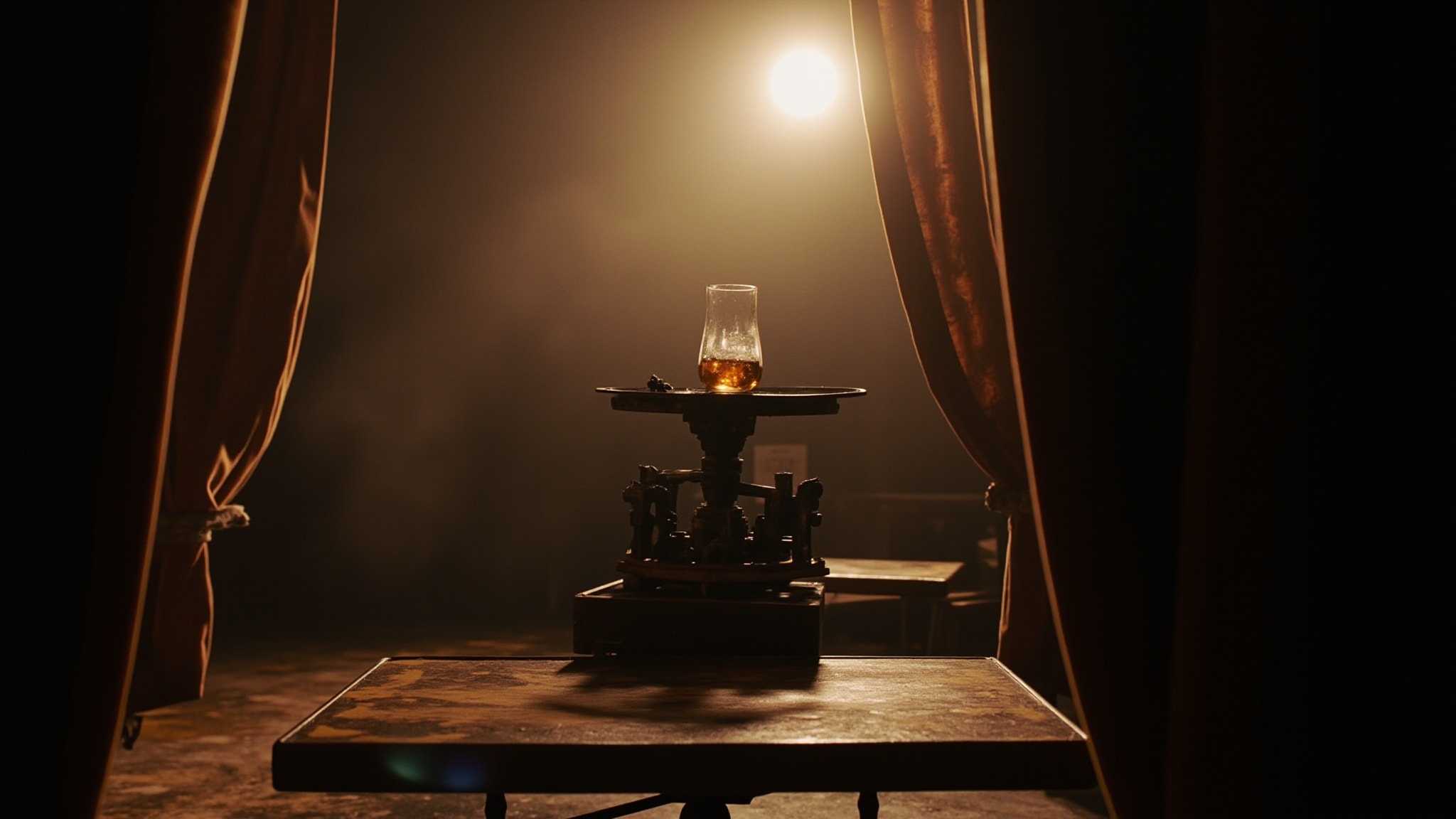
The note structure in Vinyl was built to evoke a specific environment rather than a specific mood. Mandarin and lemon create an opening that feels like light cutting through haze. Whiskey and tobacco form the heart of the fragrance, the part that smells most like a place rather than a product. Vanilla, amber, and patchouli in the drydown are not decorative additions but functional ones, adding depth and longevity to an otherwise bright and sharp fragrance. Each layer was selected to support the next, creating a scent that moves through phases the way a song moves through movements.
The evolution
The fragrance opens with mandarin orange and lemon, a citric duo that announces itself without apology. The citrus phase is brief but memorable, like the first riff cutting through the chatter of a crowded room. As it develops, whiskey and tobacco take center stage. The whiskey note brings warmth and a slight sweetness, while tobacco leaf adds the kind of smoky depth that evokes worn leather and dim light. This heart phase is the longest and most complex part of Vinyl's wear. The drydown reveals the final movement: vanilla, amber, and patchouli. Vanilla and amber soften what came before, wrapping the whiskey-tobacco core in warmth. Patchouli brings the whole composition back to earth with an earthy, grounding quality that lingers on skin for hours.
Cultural impact
Vinyl arrived in 2019 when niche perfumery was shifting from concept-driven releases toward sensory nostalgia. Its 70s nightclub inspiration placed it in a specific cultural moment, drawing on a time when music venues had their own distinct atmosphere. This kind of concrete sensory reference resonated with wearers who wanted fragrance to function as a time machine, not just a smell. The smoky, boozy character taps into collective memory of late nights and loud rooms.