The Story
Why it exists.
The beginning
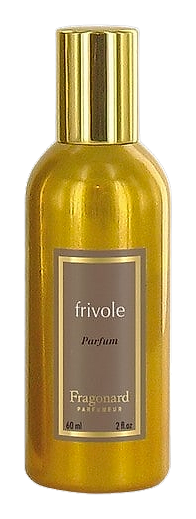
Frivole emerged from Fragonard's Grasse atelier in 2012, composed by MadameLegras. The name itself, frivole, announced the intent: a fragrance built for lightness, for the pleasure of wearing something beautiful without weight or pretense. Not every scent needs to make a statement. Some just need to make you smile when you catch yourself smelling your own wrist.
What makes Frivole work is its restraint. The citrus opening arrives cheerful and direct, but it doesn't linger. It clears the stage for the florals, jasmine, lily of the valley, peony, to take their turn without crowding. Then iris and patchouli arrive quietly, adding depth without drama. It's a composition that understands when to speak and when to let the skin do the talking. The result is a fragrance that feels neither young nor old, neither casual nor formal. Just genuinely pleasant in the best sense, pleasant enough to reach for again and again.
The evolution
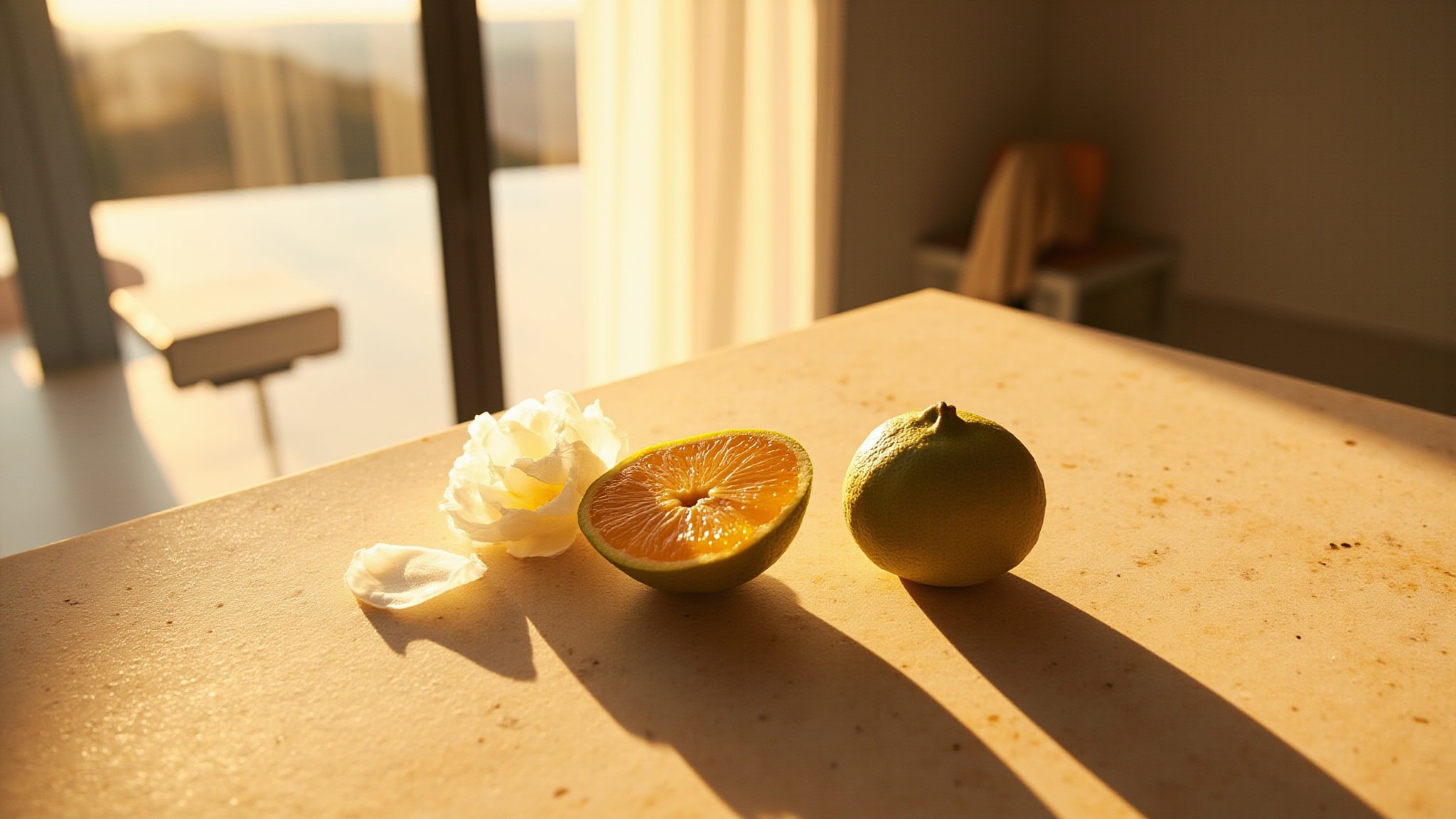
The opening hits clean and bright, bergamot, green mandarin, lemon zest. It reads like the first sip of something cold and citrus-forward. Within minutes the florals begin their entrance. Jasmine rises first, then the quieter green of lily of the valley settles alongside. Peony adds a softness that keeps everything from tipping into sharpness. The transition isn't dramatic, it's a gentle hand-off, citrus yielding to bloom without resistance. The drydown is where Frivole earns its name. Iris and musk create a powdery warmth that lingers close to the skin, and patchouli grounds the florals with something slightly earthy. There's a gentle evolution as the initial brightness softens, the citrus notes retreating to let the floral heart take fuller command. The powder settles into something intimate, a whisper of warmth that clings rather than announces.
Cultural impact
Frivole Parfum stands as a quiet representative of Grasse tradition, the historic perfume capital. While not a cultural phenomenon in the vein of Chanel No. 5, it occupies a meaningful space in the lineage of French feminine florals, offering a classical interpretation of the bergamot-iris accord that has defined Provençal perfumery for generations. The fragrance represents the kind of heritage house scent that continues to find appreciative wearers, appealing to those who prefer established perfumery over newer commercial offerings.