The Story
Why it exists.
The beginning
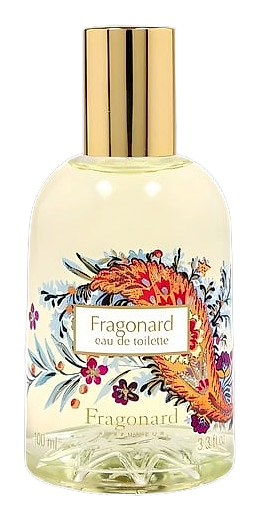
Antoine Maisondieu designed Fragonard (2024). The fragrance takes its name from the house itself, which means something. Hyacinth leads, unusual as an opening, but undeniably present. The cool, green note arrives with a mineral clarity that suggests the moment a bulb is crushed between fingers, not stems arranged in a vase. It sits close to the skin, demanding attention without shouting. The rest follows from there, a progression that rewards patience and rewards reapplication throughout the day. Four notes make up the composition, each one arriving on its own schedule, leaving space between them where the fragrance breathes. There's no rush in the development, no urge to reveal everything at once.
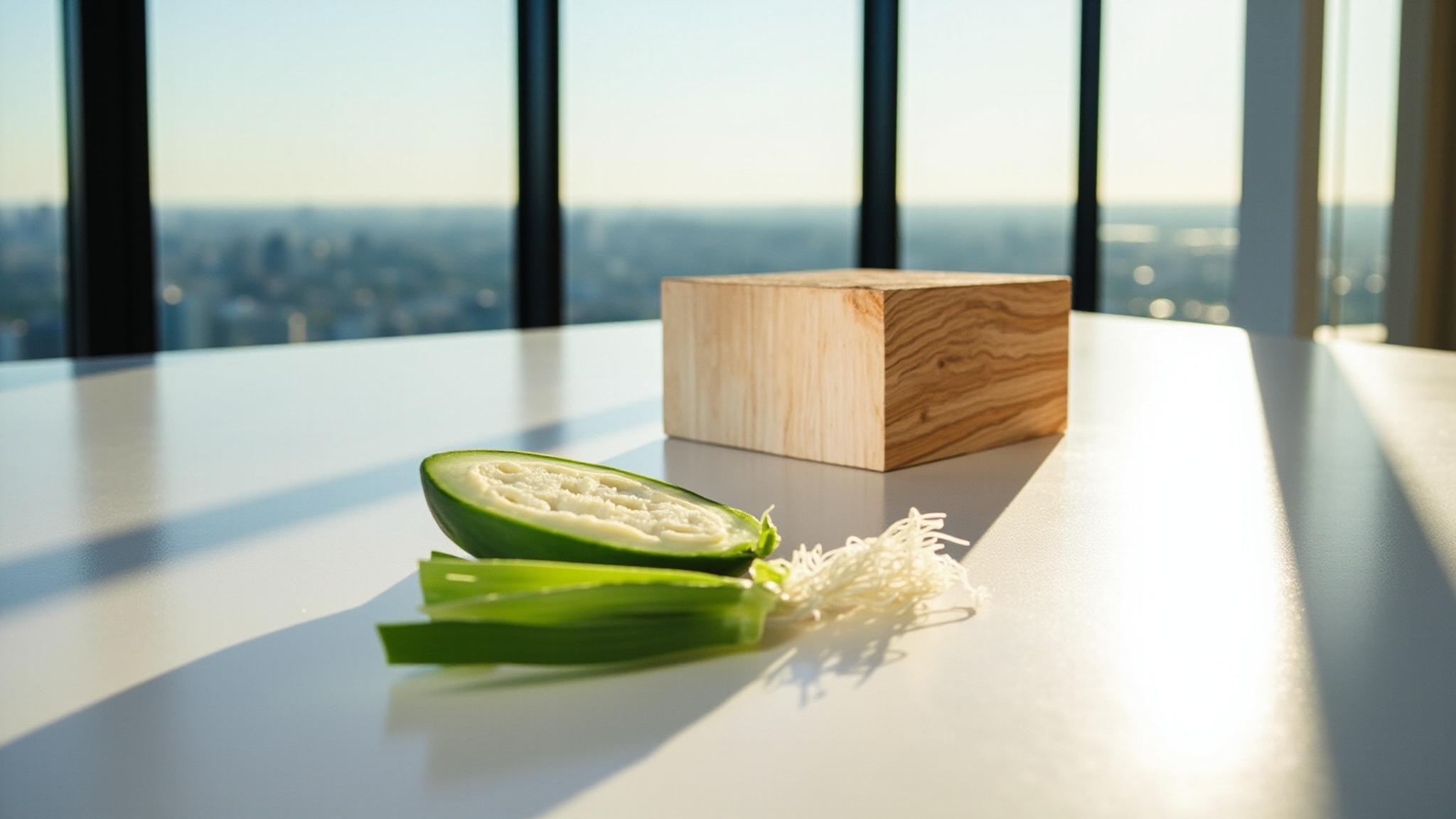
Hyacinth is not a forgiving material. It demands attention, sometimes tips into the aggressive. What makes this composition work is the cedar base, not the creamy, sandalwood-adjacent cedar that sweetens florals, but actual cedarwood that keeps things honest. Lily of the Valley adds its characteristic coolness, a green freshness that bridges the bulbous intensity of hyacinth and the warmth of jasmine below. Orange blossom brings a slight bitterness, a neroli edge that prevents the heart from becoming merely sweet. This is white floral done without excess, the house's philosophy made olfactory.
The evolution
Hyacinth arrives first. Cool, green, almost mineral, like water over crushed stems. It arrives and you're inside it for the first thirty minutes, the scent pressing close and refusing to move. Then the transition begins. Jasmine surfaces slowly, not announcing itself, while orange blossom threads in with a faint bitter edge. Lily of the valley cools everything down, a spring note that cuts the warmth, keeping the florals from becoming heavy or sweet. Cedar arrives as a grounding force, present without fanfare, refusing to let the florals drift into abstraction. The wood note steadies the composition and gives it structure. By the drydown, the hyacinth has receded and cedar leads, warm, woody, intimate. This is what lingers on a collar hours later. Clean wood. A memory of flowers.
Cultural impact
Fragonard (2024) occupies a different space in the current landscape. A scent you have to lean in to appreciate, that reveals itself gradually rather than announcing its presence across a room. It's made for someone who wears perfume for themselves, who values the private experience of a fragrance over its ability to announce arrival. The sillage stays close, intimate rather than projecting, and the wear time allows the composition to unfold across hours rather than minutes. This is fragrance as personal ritual, as quiet pleasure, as something worn rather than performed. The brand's confidence shows in its restraint.