The Story
Why it exists.
The beginning
Shambala launched in 2019, with Oleg Razygrin credited as its perfumer. The verified record does not include a statement explaining the fragrance's concept or the perfumer's intent. What can be read clearly is the composition itself: incense, labdanum, benzoin, amber, honey, woody notes, and florals. Together, these materials create an atmospheric fragrance shaped by smoke, warm resin, sweetness, and woods. Incense contributes a dry, smoky character, while labdanum and benzoin add a deeper sense of resinous warmth. Honey gives the blend a rounded sweetness without making it taste-like or overtly edible. Amber lends a warm, enveloping quality, and the woody notes provide a steady structure beneath the brighter, more aromatic elements.
The unusual part is how closely the materials share the same warm center. Incense gives the composition a dry, smoky character. Labdanum and benzoin bring resinous sweetness, while honey makes the blend feel edible without turning it into a simple dessert scent. Amber adds warmth and depth to the base, and woody notes hold everything together. Floral notes prevent the resins from feeling severe.
The evolution
The opening presents incense as a dry, smoky presence within a warmer blend. Honey rounds the sharper edges of the smoke, while florals introduce a softer aromatic layer that becomes more apparent as the fragrance settles. Labdanum and benzoin deepen the sweet resin character, adding a richer, more tactile quality to the composition. Amber reinforces the warmth of the heart, and honey keeps a gentle sweetness close to the surface. The woody notes provide continuity from the beginning through the later stages of wear, giving the scent a stable base while the individual materials shift in emphasis. Over time, the opening loses some of its distinct smoke and gives way to a blend of resin, amber, honey, and woods. The floral notes remain present as a light, diffused texture rather than a sharply defined bouquet.
Cultural impact
Shambala brings together familiar fragrance materials in a distinct arrangement: incense, labdanum, benzoin, amber, honey, woody notes, and florals. Its identity lies in the interaction among those notes. Dry smoke is balanced by honey and amber, resinous sweetness is tempered by florals, and the woody base gives the composition continuity. This combination makes the fragrance accessible through several sensory dimensions, from its darker resinous center to its softer floral and honeyed facets. It can be appreciated as a study in texture, especially for wearers drawn to scents that combine smoke, sweet resins, woods, and restrained florals.
The House
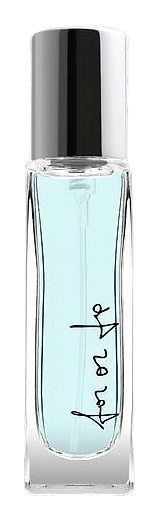
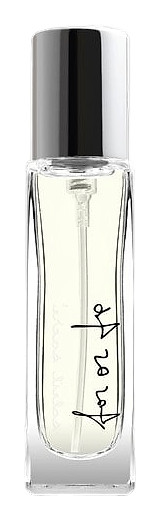
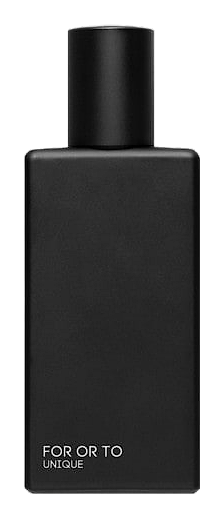
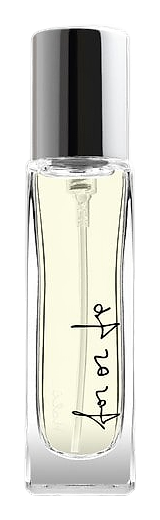
For Or ToFor Or To is an independent fragrance house recognized for conceptual, art-forward scent creation. The brand has produced a notable body of work including Intellect (2017), Sasha Coffee Cigarette (2017), Shout Or Mute (2017), Oh My God! (2017), Mary Go Out (2018), Ultimatum (2018), Fake To Fake (2019), Shambala (2019), Fugu (2020), and Soleil Sacre (2020). The brand operates outside traditional perfumery conventions, favoring provocative titles and unexpected compositions. Specific information about the founder, headquarters location, or founding circumstances could not be verified across multiple independent sources. The label structure of the fragrances suggests a contemporary atelier approach, though details regarding production methods, ingredient sourcing, or perfumer collaborations remain unreported in available public sources. Anyone seeking verified biographical information about this house should consult fragrance databases, industry press, or direct brand outreach.
The Creator
Oleg RazygrinHis olfactory signature leans toward sophisticated restraint, with particular attention to texture and evolution on the skin. Razygrin demonstrates notable skill with woody bases, often incorporating unexpected mineral or atmospheric elements that lend his creations a distinct…